
Creating professional invoices and financial statements becomes far easier with a pro forma template already structured and ready to use. Instead of designing a pro forma document from scratch, a ready-made template gives you a professional framework you can customize with your own transaction and financial details in minutes. Below you’ll find 13 free, downloadable pro forma templates in Excel and PDF formats, suitable for invoices, balance sheets, and financial statements alike.
What Is a Pro Forma Template?
A pro forma template is a pre-formatted document used to create pro forma invoices or projected financial statements before a transaction is finalized or a reporting period actually occurs. Rather than designing a document from scratch, a ready-made template gives you a structured framework already built to capture transaction details, projected figures, and formatting expected by buyers or stakeholders. These templates are used by business owners, accountants, and financial analysts who need a clear, organized way to present preliminary sales terms or projected financial data.
Why You Need a Pro Forma Template: Key Benefits
- Saves preparation time: A ready-made layout means you can focus on the transaction or projection instead of designing a document from scratch.
- Presents a professional image: A clean, well-organized pro forma document reflects positively on the business issuing it.
- Improves clarity: A structured format helps buyers and stakeholders clearly understand terms or projections before commitment.
- Speeds up transactions: Providing a clear pro forma invoice upfront can help finalize deals more quickly.
- Works for various purposes: Templates are available for invoices, income statements, balance sheets, and cash flow projections alike.
- Free and reusable: Download once and reuse the same template structure for every future transaction or report.
What’s Included in the Pro Forma Template
- Seller and buyer information: Space to list the names and contact details of both parties involved.
- Item or service description: A section describing the goods or services being quoted or ordered.
- Pricing and totals: Fields for unit prices, quantities, and calculated totals.
- Projected financial figures: For financial statement templates, space to record projected income, expenses, or cash flow.
- Terms and conditions: Space to outline payment terms, delivery timelines, or other transaction conditions.
- Date and validity period: A field noting when the pro forma document was issued and how long it remains valid.
Who Should Use These Templates?
- Business owners and sellers issuing pro forma invoices to confirm order details before shipment.
- Accountants and financial analysts preparing projected income statements or balance sheets.
- Startups and new businesses creating financial projections for investors or lenders.
- Import and export companies using pro forma invoices for international trade documentation.
- Corporate finance teams modeling the financial impact of acquisitions or major transactions.
- Small business owners needing a simple, professional way to quote pricing before finalizing a sale.
How to Start Using the Template in 3 Simple Steps
- Step 1 — Choose a template style: Browse the 13 options below and select the format that best fits your purpose.
- Step 2 — Fill in your details: Enter transaction, projection, or financial statement information into the template.
- Step 3 — Review and send: Double-check all figures before sending the completed pro forma document to the relevant party.
Pro Forma Invoice vs. Commercial Invoice
While both documents relate to a sale, a pro forma invoice and a commercial invoice serve different purposes at different points in the transaction. A pro forma invoice is sent before a sale is finalized to confirm the expected goods, pricing, and terms, giving the buyer a preview of what they’ll be charged. A commercial invoice, by contrast, is issued after the sale is completed and serves as the official request for payment and a legal record of the transaction. Understanding this distinction helps ensure the right document is used at the right stage of a business deal.
Customizing the Template for Your Business
These templates are designed to be a flexible starting point rather than a fixed format. You can add your company’s logo for a more official appearance, adjust the fields to match your specific industry or transaction type, or add extra line items for detailed pricing breakdowns. Since the editable templates are provided in Excel format, most adjustments take only a few minutes and let you tailor the pro forma document to fit your specific business needs.
Choosing the Right Format
With 13 different templates available, choosing the right one depends on whether you need an editable document or a simple printable reference. The Excel-based templates work best when you need to calculate totals automatically or make frequent adjustments to figures. The PDF-based templates are better suited as printable references or examples to guide the structure of your own financial statements.
Common Mistakes to Avoid
- Confusing it with a commercial invoice: Always label a pro forma document clearly so it isn’t mistaken for a final invoice.
- Missing pricing details: Always include complete pricing and terms to avoid confusion later in the transaction.
- Inconsistent formatting: Keep pro forma documents consistent across your business for a professional appearance.
- Forgetting a validity period: Clearly state how long the quoted terms or prices remain valid.
- Overly optimistic projections: For financial statement pro formas, use realistic assumptions rather than overly optimistic figures.
Tips to Get the Most Out of Your Pro Forma Template
- Double-check all calculations before sending a pro forma invoice or financial statement to another party.
- Keep a record of issued pro forma documents for reference during the actual transaction or reporting period.
- Use consistent terminology across your pro forma and final documents to avoid confusion.
- Include clear contact information so recipients can easily follow up with questions.
- Update templates periodically to reflect changes in your business’s standard terms or branding.
Using Pro Forma Invoices in International Trade
Pro forma invoices play a particularly important role in international trade, where they are often required for customs documentation, securing import permits, or arranging letters of credit before goods are shipped. Because international transactions can involve complex regulations and currency considerations, a detailed pro forma invoice helps both parties confirm exact terms before the goods physically change hands. Businesses engaged in regular international trade often maintain a standardized pro forma invoice template to ensure consistency and compliance across different countries and customs authorities.
Building Pro Forma Financial Statements for Investors
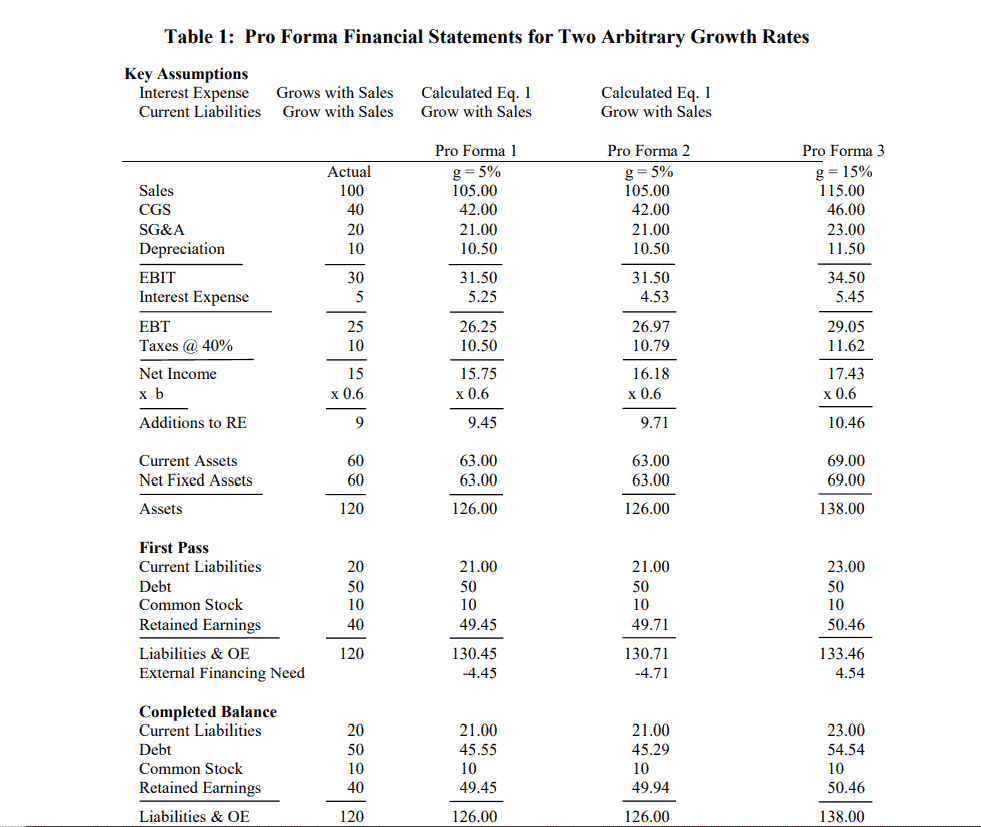
Startups and growing businesses often use pro forma financial statements to show potential investors or lenders what the company’s finances might look like under different growth scenarios. These projections typically include a pro forma income statement, balance sheet, and cash flow statement built on stated assumptions about revenue growth, expenses, and financing needs. Because investors will scrutinize these projections closely, it’s important to clearly document the assumptions behind the numbers rather than presenting figures without context or justification.
Pro Forma Statements for Mergers and Acquisitions
In mergers and acquisitions, pro forma financial statements are used to show what the combined company’s financials would look like as if the transaction had already taken place, helping stakeholders evaluate the deal’s financial impact. These statements typically combine the historical financials of both companies while adjusting for expected synergies, cost savings, or one-time transaction costs. Because these projections directly influence how a deal is perceived by shareholders and regulators, they generally require careful review by financial and legal teams before being shared externally.
Keeping Pro Forma Documents Organized
Businesses that regularly issue pro forma invoices or prepare financial projections benefit from keeping organized records of past documents, both for reference and for tracking how projections compared to actual outcomes over time. Reviewing past pro forma financial statements against actual results can reveal patterns in forecasting accuracy that help refine future projections. Similarly, keeping a log of issued pro forma invoices makes it easier to follow up on pending transactions and confirm that final invoices match the originally quoted terms.
Common Uses for Pro Forma Balance Sheets
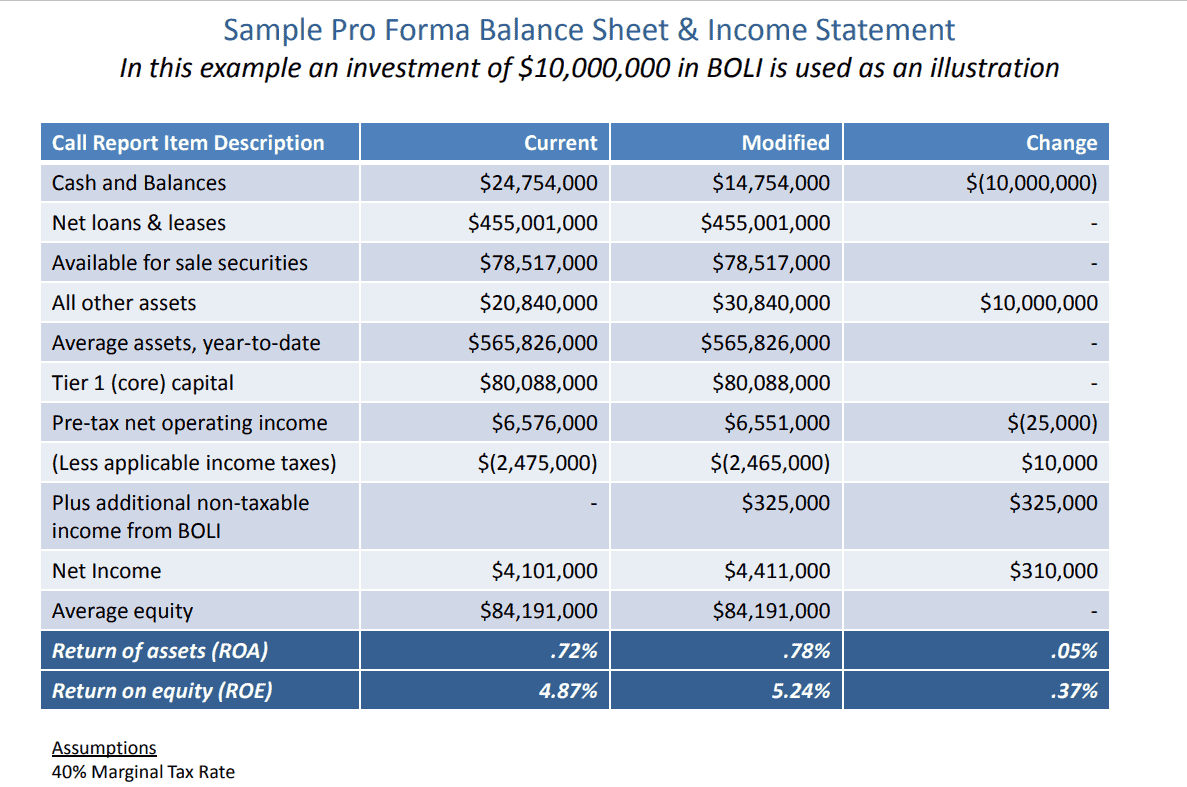
A pro forma balance sheet projects what a company’s assets, liabilities, and equity would look like at a future date, often used when planning for a major purchase, a new loan, or a significant change in business operations. Lenders frequently request a pro forma balance sheet as part of a loan application to understand how the requested financing would affect the company’s overall financial position. Building an accurate pro forma balance sheet requires carefully tracing how each assumed transaction, such as taking on new debt or acquiring equipment, would flow through to the projected figures.
Preparing Pro Forma Cash Flow Statements
A pro forma cash flow statement projects the expected inflows and outflows of cash over a future period, helping businesses anticipate whether they’ll have enough liquidity to cover upcoming expenses. This type of projection is especially useful for seasonal businesses or companies planning a major expenditure, since it can reveal potential cash shortfalls before they become a crisis. Building a reliable cash flow projection typically requires reviewing historical cash flow patterns alongside any known upcoming changes to revenue or expenses that might affect the forecast, and updating the projection regularly as actual results come in keeps it useful throughout the year rather than becoming outdated after the first few months.
Get Editable Pro Forma Templates Are Available Here
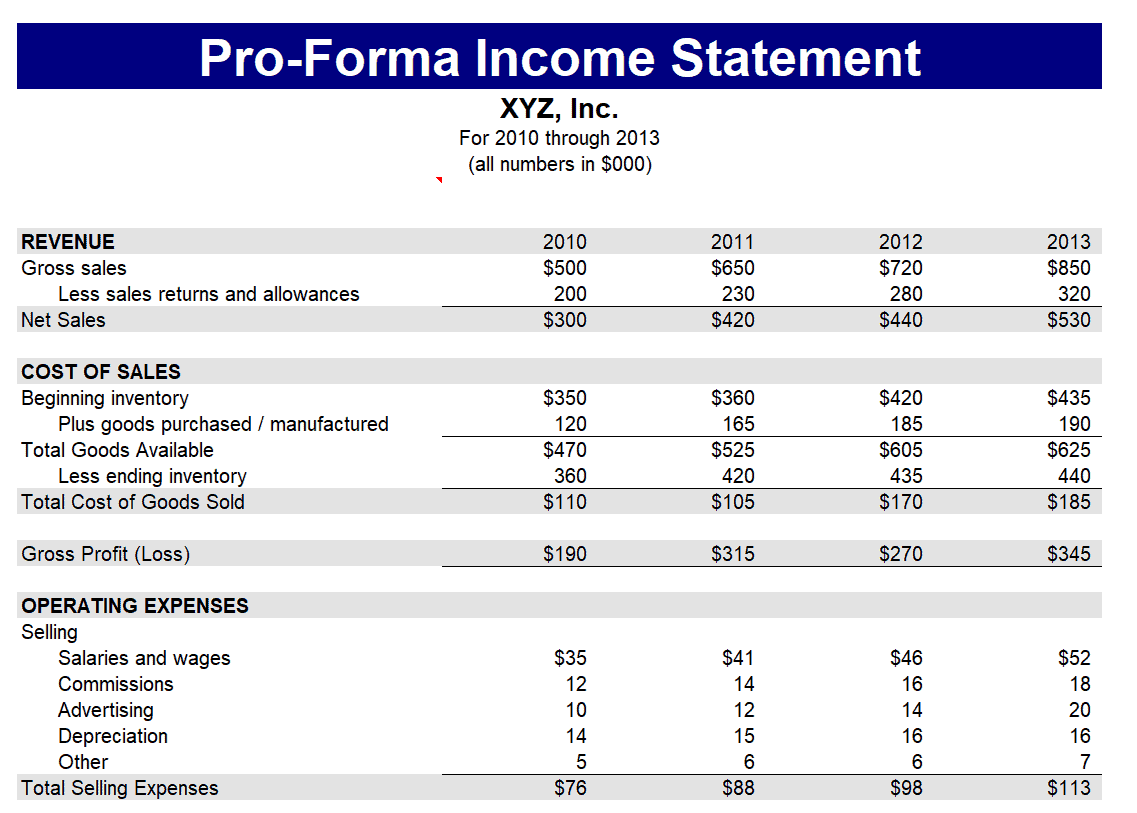
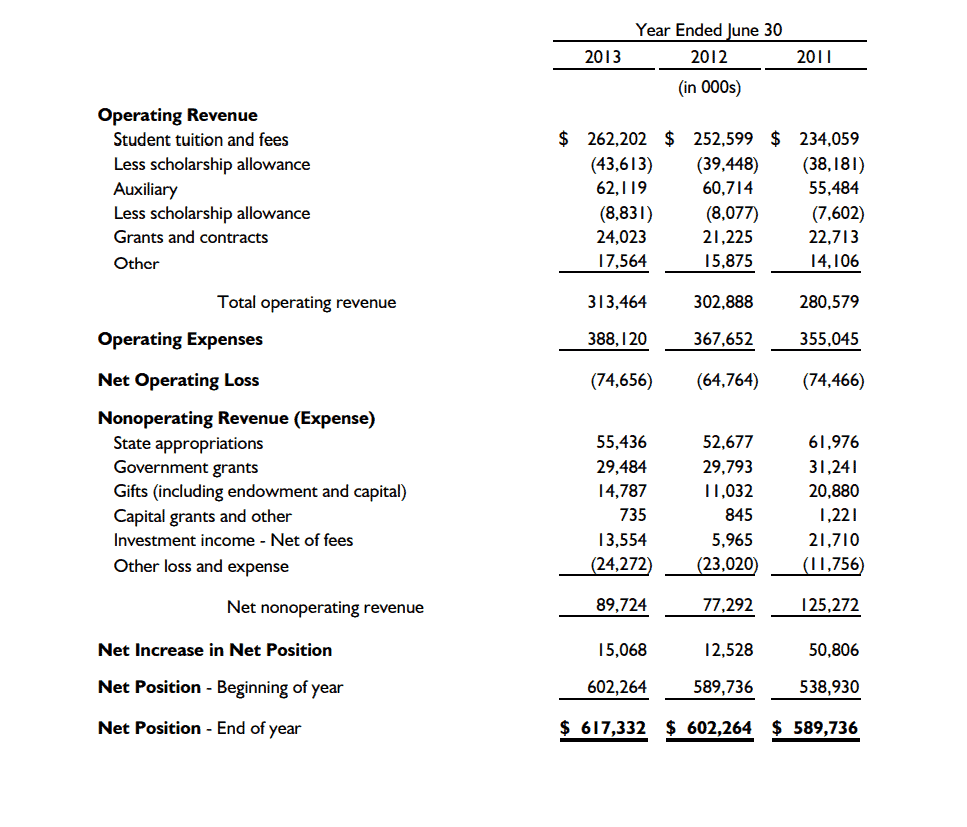
Pro Forma Income Statement Template
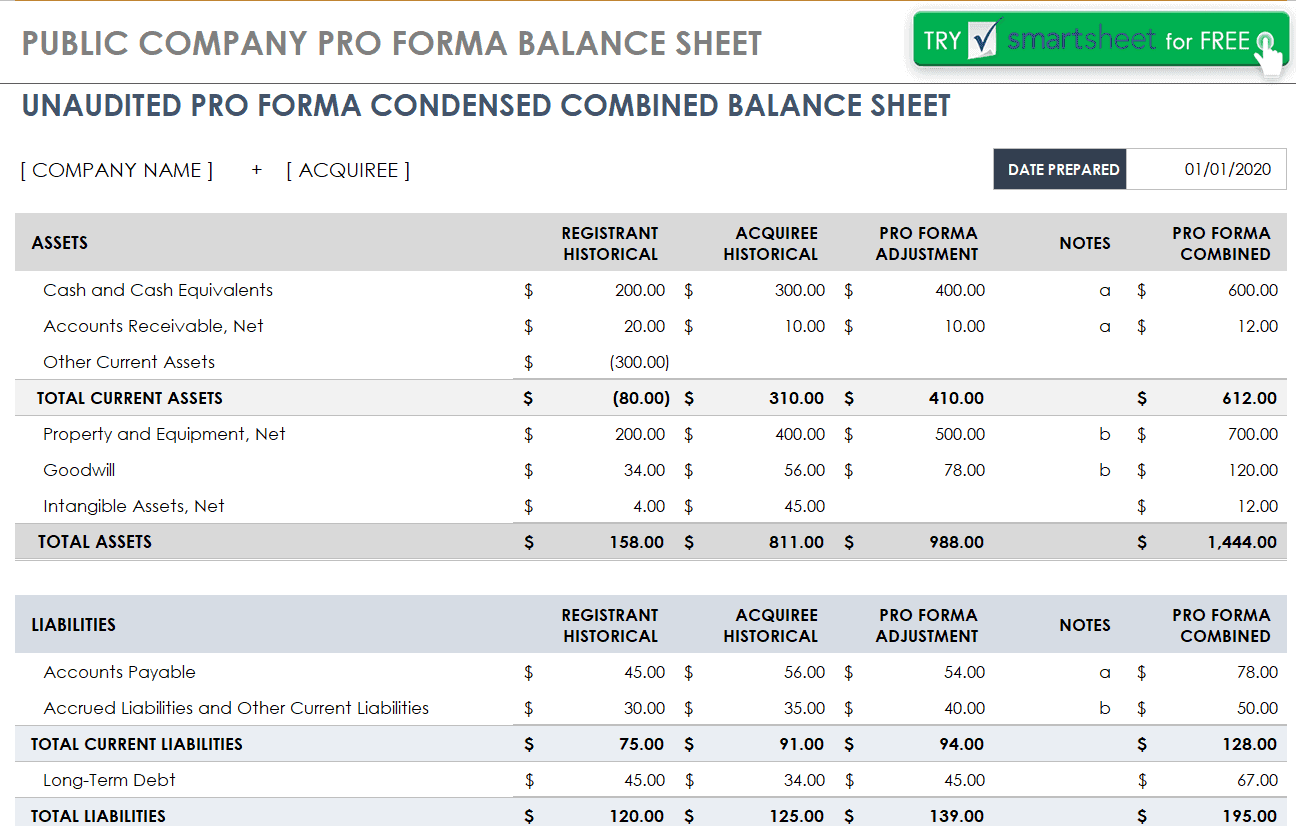
Public Company Pro Forma Balance Sheet Template
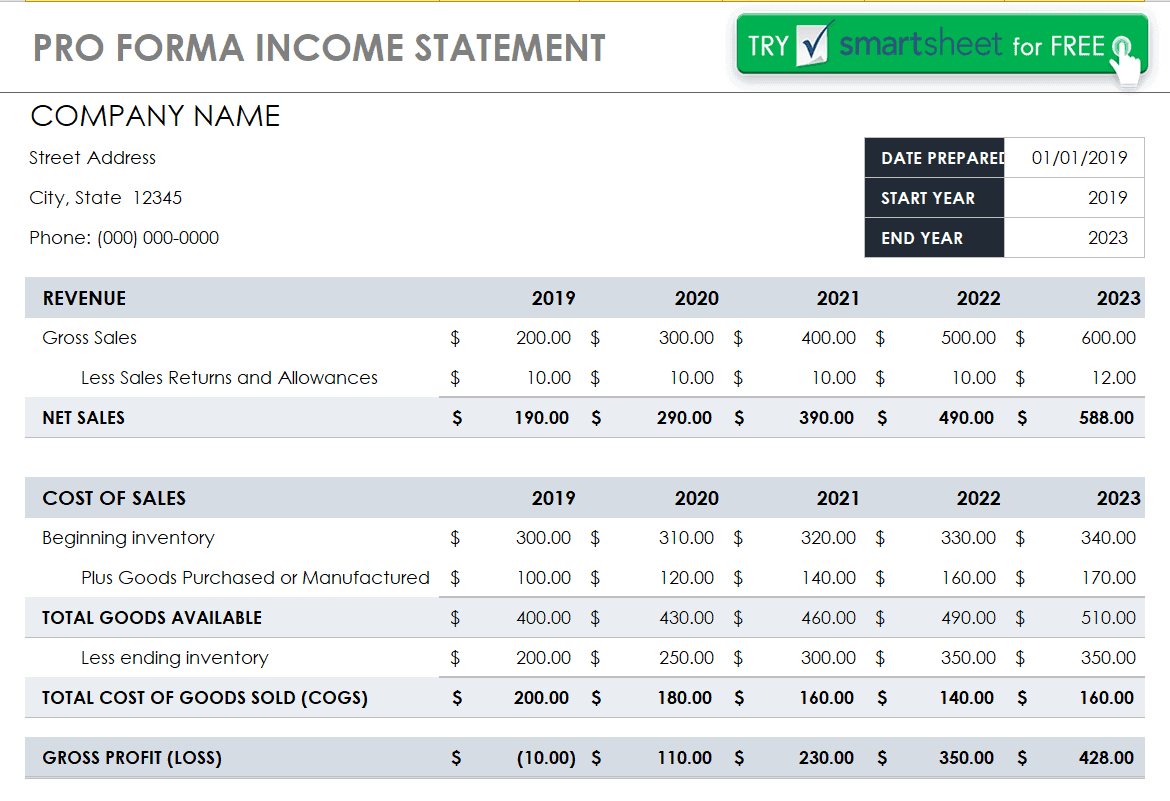
Sample Pro Forma Income Statement Template
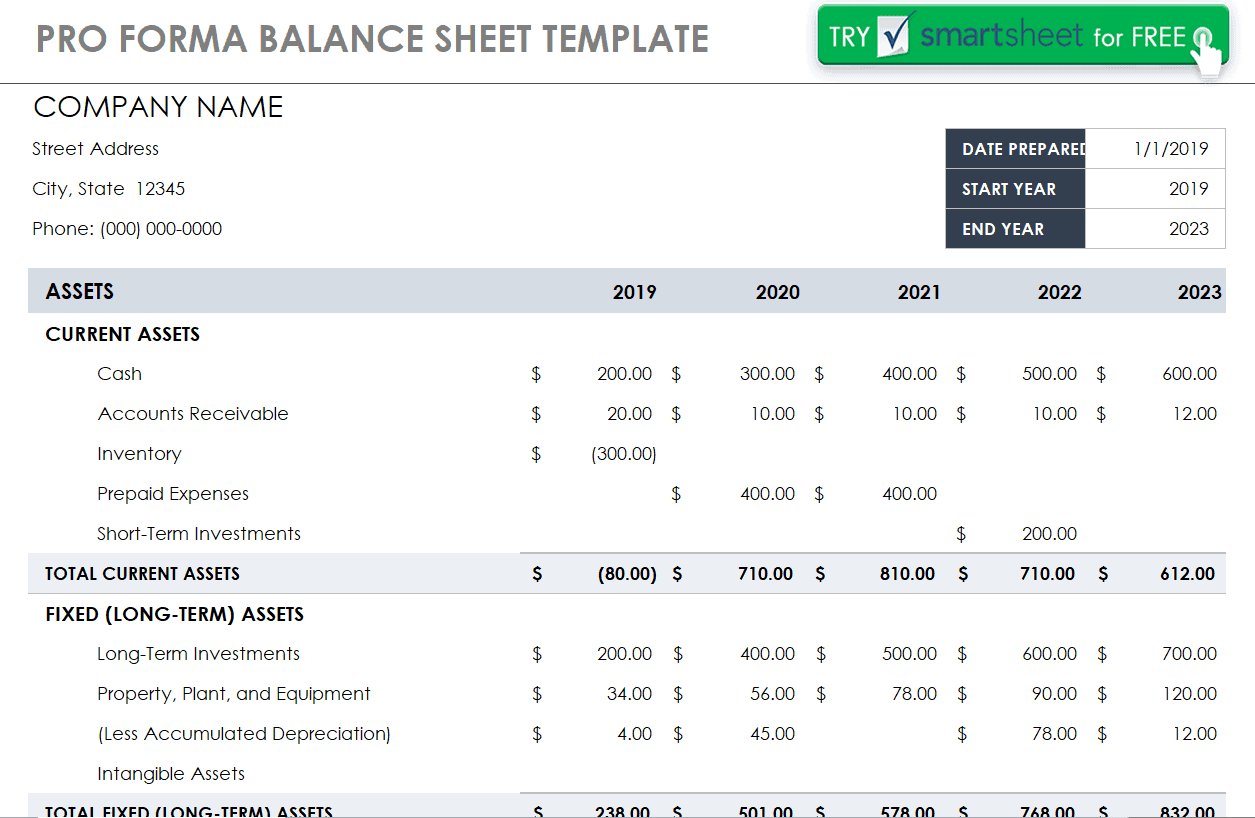
Example Balance Sheet Pro Forma Template
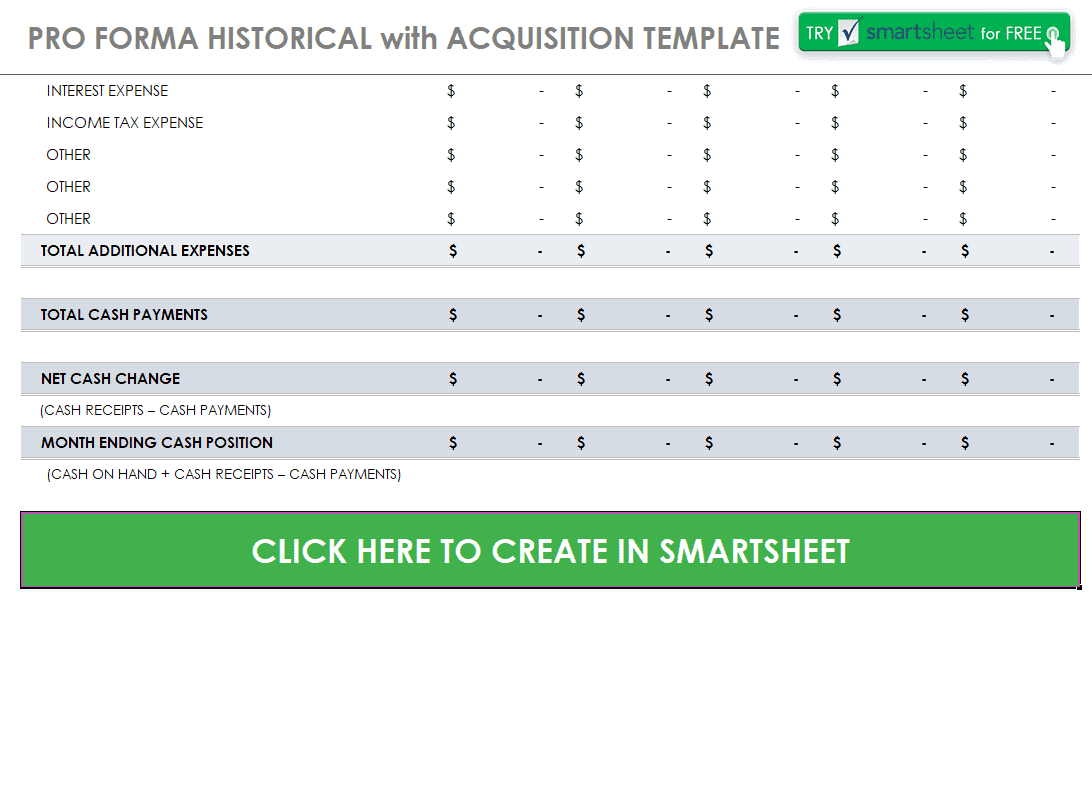
Historical with Acquisition Pro Forma Template
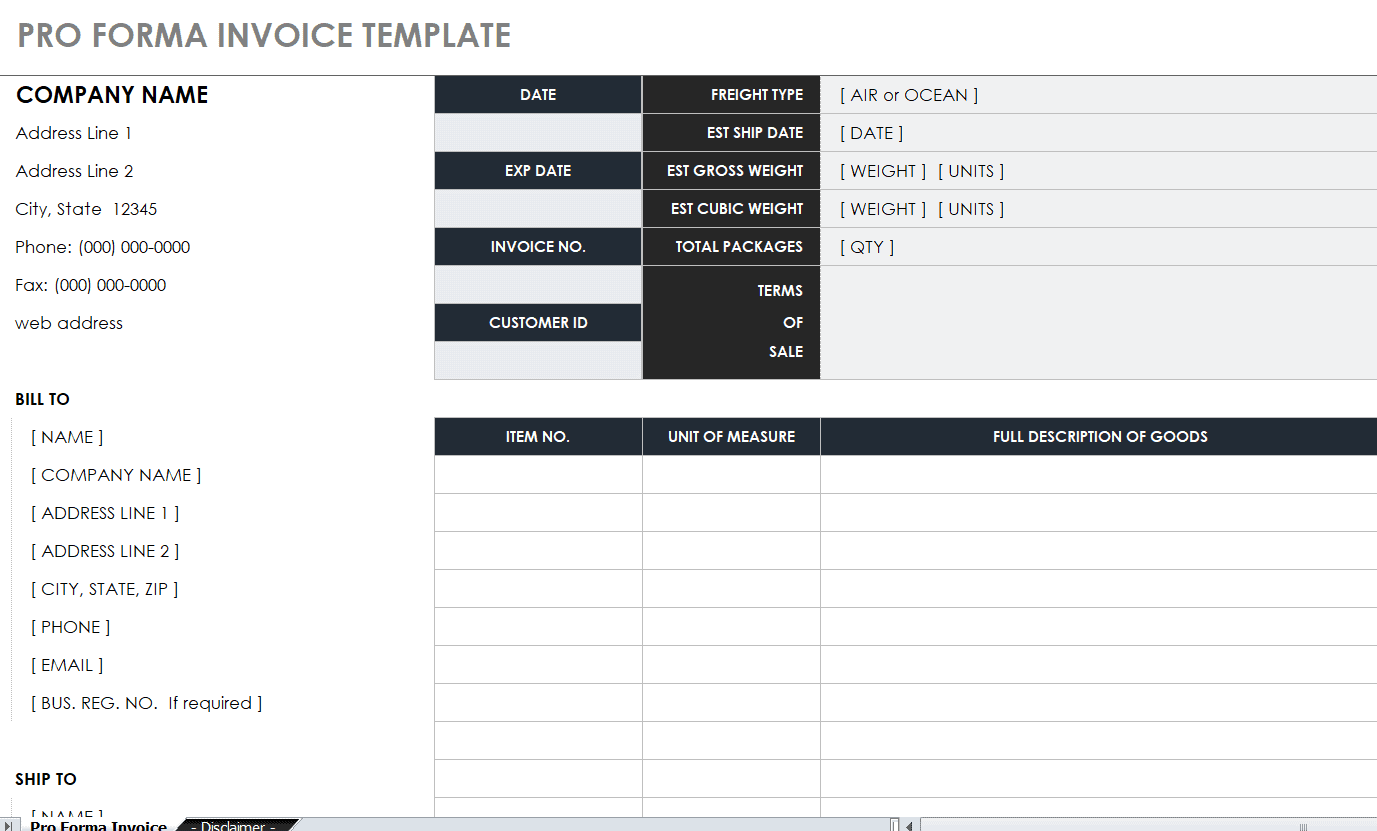
Official Pro Forma Invoice Template
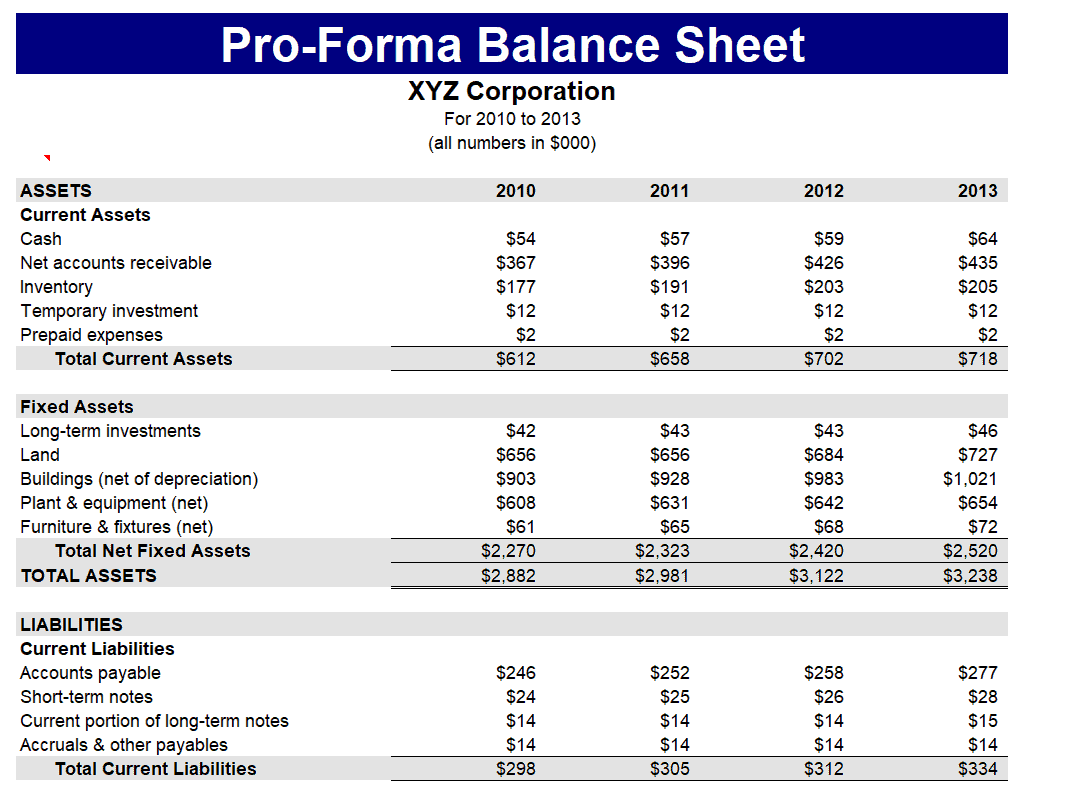
Corporation’s Balance Sheet Pro Forma Template
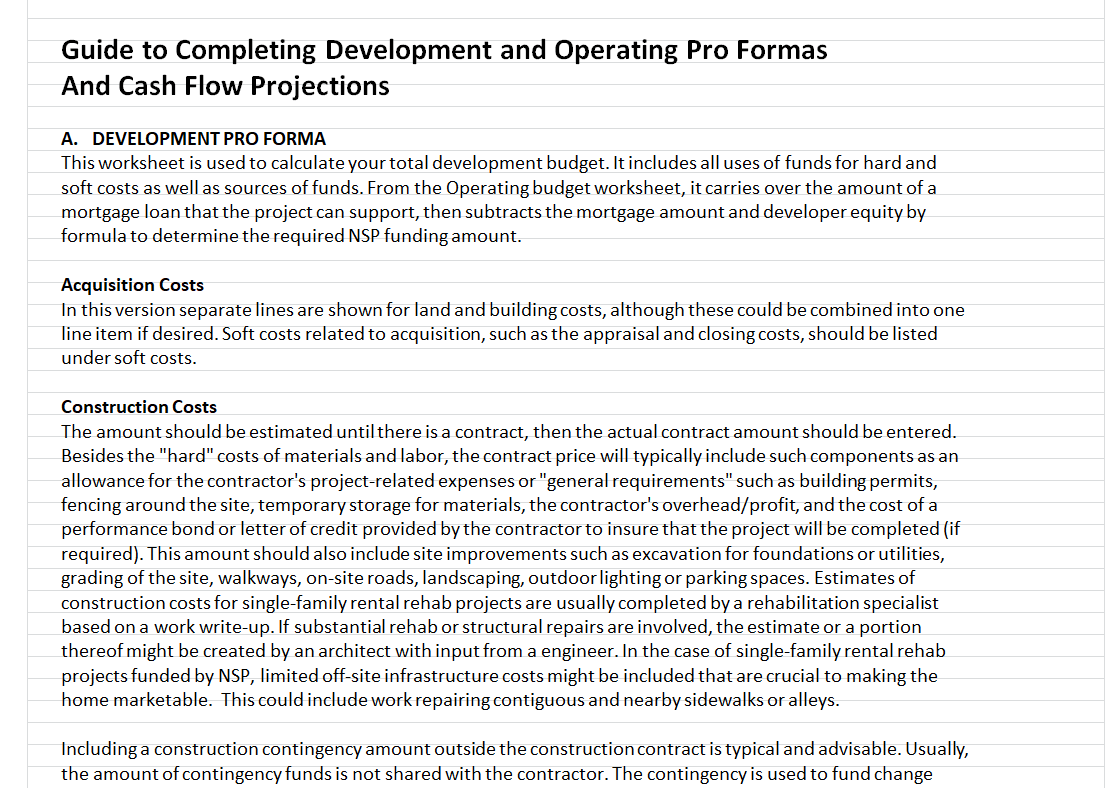
Pro Forma Guide with Examples
Practical Pro Forma Balance Sheet Template
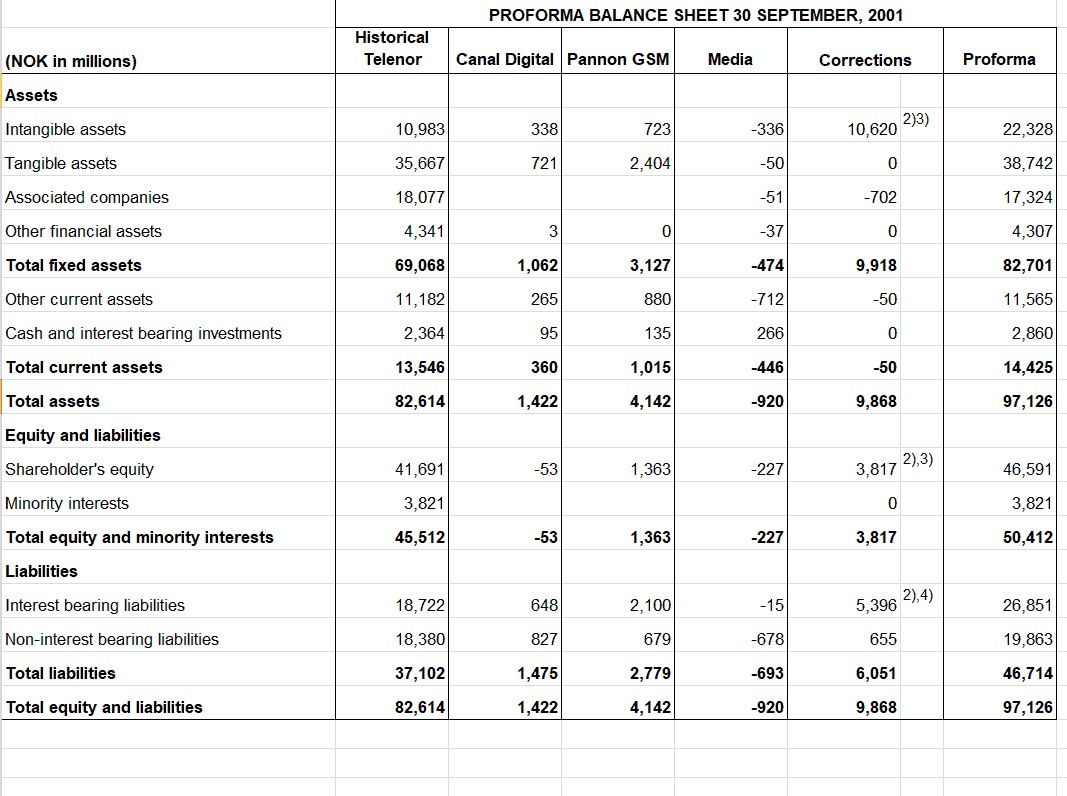
Download Printable Pro Forma Templates in PDF
Sample Pro Forma Financial Statements Template
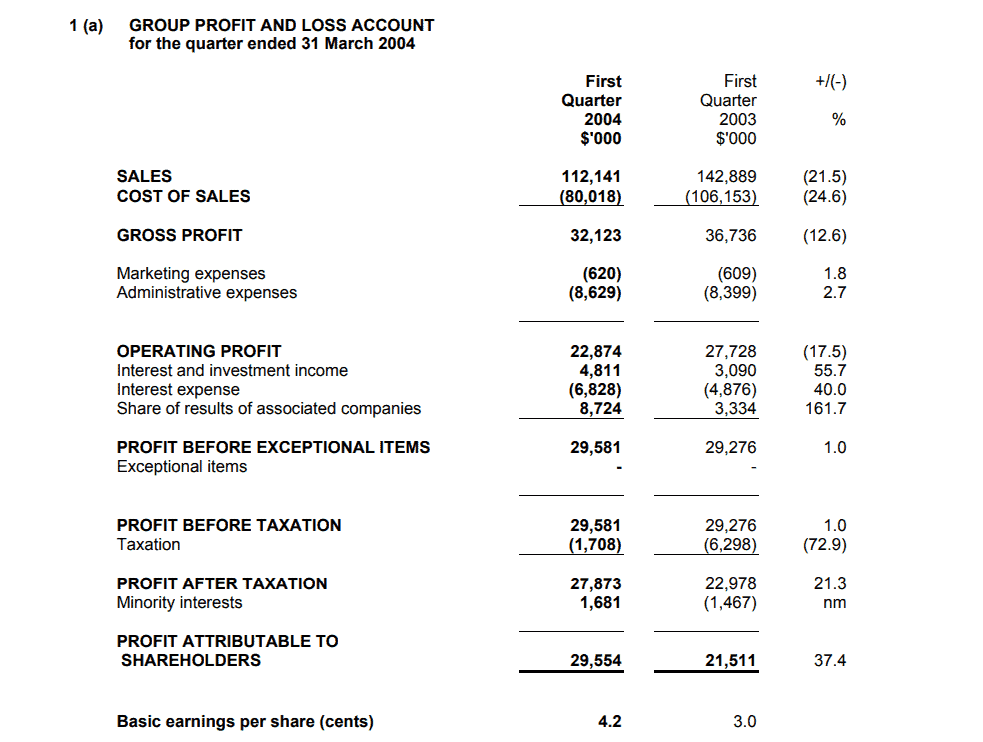
Group Profit & Loss Account Pro Forma Template
Two Arbitrary Growth Rates Pro Forma Template
Sample 3-Year Cash Flow Statement Pro Forma Template
Frequently Asked Questions
Are these pro forma templates free to download?
Yes, all 13 pro forma templates on this page are free to download and use.
Which file formats are these templates available in?
The editable templates are available in Excel format, while some reference templates are available as printable PDFs.
Can I use these templates for international trade invoices?
Yes, pro forma invoice templates are commonly used for international trade and customs documentation.
Are these templates suitable for investor presentations?
Yes, several templates are designed for pro forma income statements and balance sheets useful for investor projections.
Can I customize the templates for my specific business?
Yes, since the editable templates are fully customizable, you can adjust fields and branding to fit your business.
Is a pro forma invoice the same as a final invoice?
No, a pro forma invoice is issued before a sale is finalized, while a commercial invoice is issued after completion for payment.
Can these templates be used for mergers and acquisitions projections?
Yes, the balance sheet and income statement templates can be adapted for merger and acquisition financial projections.

You must be logged in to post a comment.