
Writing a compelling product description from a blank page is harder than it looks, and a ready-made product description template gives you a proven structure to fill in with your own product’s features and benefits. Instead of guessing at format and tone, a pre-formatted template guides you through the key elements that turn browsers into buyers. Below you’ll find 3 free, downloadable product description templates suitable for online stores, marketplaces, and product catalogs of any size.
What Is a Product Description Template?
A product description template is a pre-formatted document used to structure the written content that accompanies a product listing, whether on an ecommerce site, a marketplace, or a print catalog. Rather than starting from a blank page each time, a ready-made template gives you a proven layout with sections for features, benefits, specifications, and a persuasive call to action. These templates are used by online sellers, marketing teams, and small business owners who need a clear, consistent way to describe products that helps convert browsers into customers.
Why You Need a Product Description Template: Key Benefits
- Saves writing time: A ready-made structure means you can focus on your product’s details instead of figuring out how to organize the description.
- Improves consistency: Using the same template across listings keeps your brand’s tone and format uniform.
- Boosts conversions: A well-structured description highlights benefits clearly, helping customers make purchase decisions faster.
- Reduces missed details: A template with defined sections helps ensure you don’t forget key specifications or selling points.
- Easy to customize: Editable fields let you quickly adapt the template to any product category.
- Free and reusable: Download once and reuse the same structure for every new product you list.
What’s Included in the Product Description Template
- Product title field: Space for a clear, descriptive name that identifies the product.
- Feature list fields: An area to list the product’s key physical or functional characteristics.
- Benefit statements: Space to translate each feature into a clear customer benefit.
- Specification fields: Areas for size, materials, weight, or other technical details.
- Call-to-action field: A prompt encouraging the reader to make a purchase.
- Keyword or SEO notes: Space to note relevant search terms for online listings.
Who Should Use These Templates?
- Online store owners writing descriptions for products listed on their website.
- Marketplace sellers creating consistent listings across platforms such as Amazon or Etsy.
- Marketing teams producing product copy at scale for large catalogs.
- Small business owners writing their own product copy without hiring a copywriter.
- Freelance copywriters using a consistent structure across multiple client projects.
- Wholesale and catalog businesses preparing product sheets for buyers.
How to Start Using the Template in 3 Simple Steps
- Step 1 — Choose a template style: Browse the 3 options below and select the layout that fits your product type.
- Step 2 — Fill in product details: Add the title, features, benefits, and specifications for your product.
- Step 3 — Refine the language: Review the draft and adjust the wording to match your brand’s voice before publishing.
Product Description vs. Product Specification Sheet
While the two documents are related, a product description and a specification sheet serve different purposes. A product description is written persuasively, aimed at convincing a customer to buy by highlighting benefits and use cases. A specification sheet, by contrast, is a factual, technical list of measurements, materials, and performance details, typically used by buyers who already understand the product and need precise data for comparison or procurement. Many product listings include both, a persuasive description for the customer-facing page and a specification sheet for technical reference.
Customizing the Template for Your Product
These templates are designed to be a flexible starting point rather than a fixed format. You can adjust the tone to match your brand voice, add a section for customer reviews or testimonials, or include additional fields for size charts or compatibility information. Since the templates are provided in an editable format, most adjustments take only a few minutes and let you tailor the description to fit the specific product and audience you’re writing for.
Choosing the Right Format
With 3 different templates available, choosing the right one depends on your product type and where the description will be published. A simple layout works well for straightforward products, while a more detailed template suits products with multiple features or technical specifications that need explaining. Reviewing each option before committing to one can help you find the structure that best fits your product line.
Common Mistakes to Avoid
- Listing features without benefits: Simply stating specifications without explaining why they matter to the customer weakens the description.
- Writing overly generic copy: Vague language that could apply to any product fails to differentiate yours from competitors.
- Ignoring your target audience: A description that doesn’t speak to the specific customer’s needs is less persuasive.
- Skipping proofreading: Typos and grammatical errors can undermine trust in your product and brand.
- Forgetting a call to action: Without a clear prompt, even a well-written description may fail to drive a purchase.
Tips to Get the Most Out of Your Product Description Template
- Lead with the strongest benefit to capture attention before the reader loses interest.
- Use sensory and specific language to help customers visualize using the product.
- Keep sentences concise so the description is easy to scan on any device.
- Include relevant keywords naturally to help the listing appear in search results.
- Test different versions to see which description drives more conversions over time.
Understanding Your Buyer Persona Before You Write
Before filling in any template, it helps to have a clear picture of who you’re writing for, since the same product can be described very differently depending on the audience. A buyer persona, a semi-fictional profile representing your ideal customer, helps you decide which features to emphasize and what tone to use throughout the description. Spending a few minutes considering your buyer persona’s priorities, whether that’s price, durability, style, or convenience, before you start writing often results in a far more targeted and persuasive final description than writing without that focus in mind.
Writing Product Descriptions for Search Engines
For products sold online, a product description does double duty: it needs to persuade a human reader while also helping the page rank in search results. Naturally incorporating the terms customers are likely to search for, without resorting to obvious keyword stuffing, helps the listing surface in relevant searches without reading like it was written for a machine rather than a person. Structuring the description with clear headings and bullet points, where appropriate, also makes it easier for both search engines and skimming readers to quickly find the information they’re looking for.
Adapting Descriptions Across Different Sales Channels
A single product is often listed in more than one place, whether that’s a company website, a marketplace like Amazon or Etsy, or a print catalog, and each channel tends to favor a slightly different style of description. Marketplace listings often benefit from shorter, more scannable copy with clear bullet points, while a branded website page may have more room for storytelling and a distinctive voice. Rather than pasting the exact same description everywhere, adapting the length, formatting, and tone slightly for each channel while keeping the same core facts tends to perform better across the board.
Measuring Whether Your Product Description Is Working
Writing the description is only the first step, since ongoing performance is what ultimately tells you whether the copy is doing its job. Metrics such as conversion rate, time spent on the page, and return rate can all offer clues about whether a description is setting accurate expectations and persuading visitors effectively. If a product has a high return rate alongside vague or overly promotional copy, revisiting the description to set more accurate expectations is often a simple, low-cost way to improve customer satisfaction alongside sales performance.
Balancing Persuasive Language with Honest Claims
It’s tempting to lean heavily on superlatives and bold claims when writing a product description, but overselling a product tends to backfire once a customer receives it and finds the reality doesn’t match the promise. Striking a balance between enthusiastic, persuasive language and honest, accurate claims about what the product actually does builds long-term trust with customers and reduces the likelihood of negative reviews or returns. A description that’s genuinely accurate, even if slightly less flashy, generally earns more repeat customers than one that overpromises and leaves buyers disappointed.
Using Storytelling to Make Descriptions Memorable
Beyond listing features and benefits, weaving a small element of storytelling into a product description can help it stand out from the purely functional copy most competitors rely on. Briefly describing a scenario where the product solves a real problem, such as a busy morning made easier by a particular kitchen tool, helps customers picture themselves using the item rather than just reading a list of specifications. This approach works especially well for products with an emotional or lifestyle angle, though even technical products can benefit from a brief, relatable framing that connects the features to a real use case.
Get Product Description Templates Here
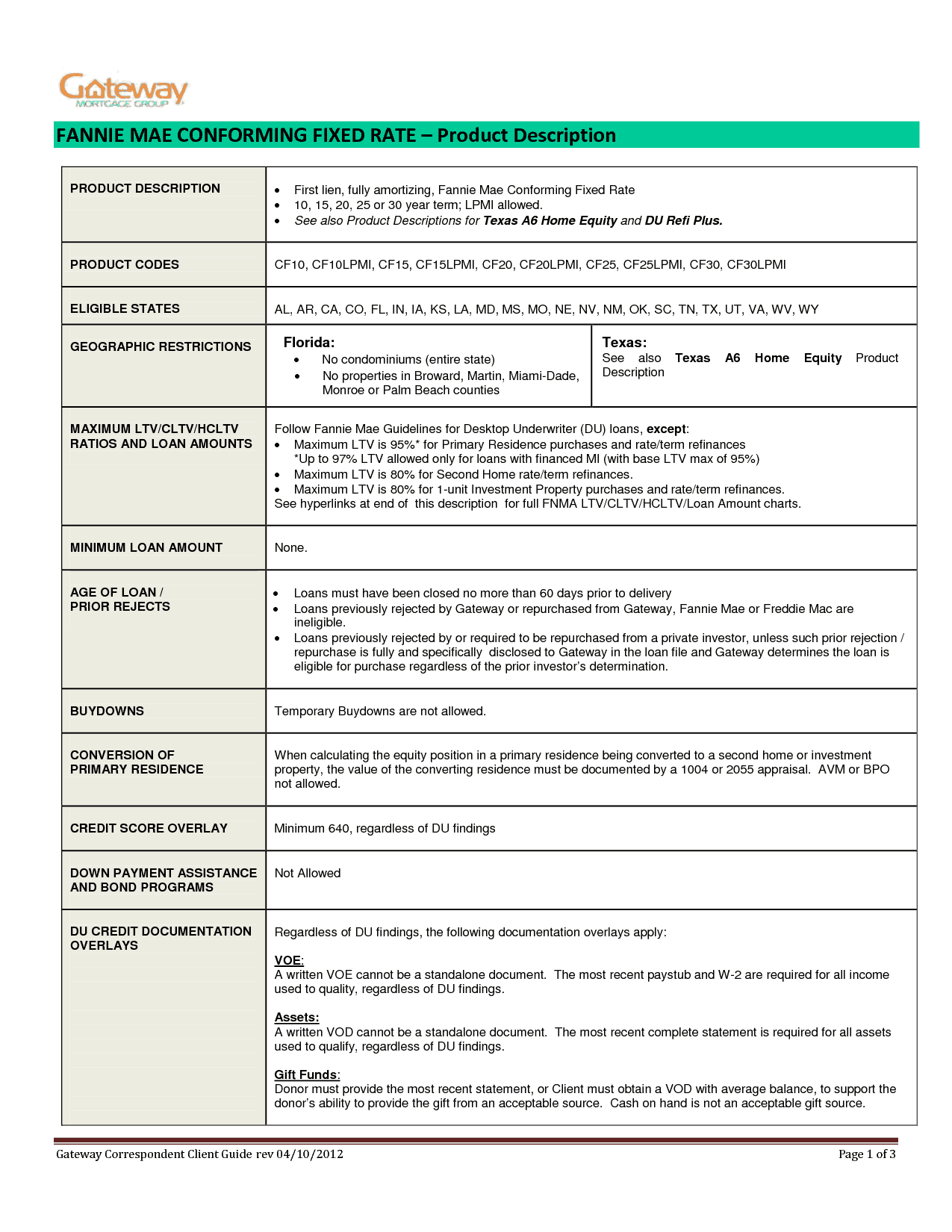
Sample Project Product Description Template

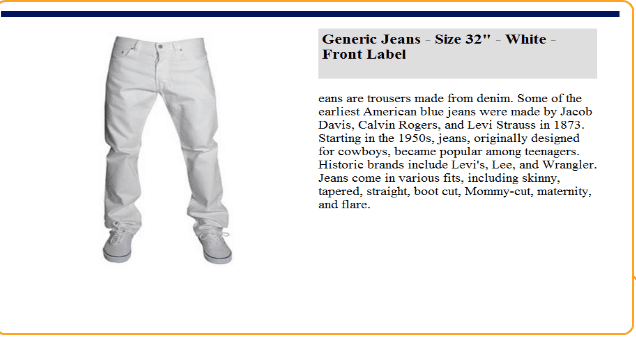
Product Description Example

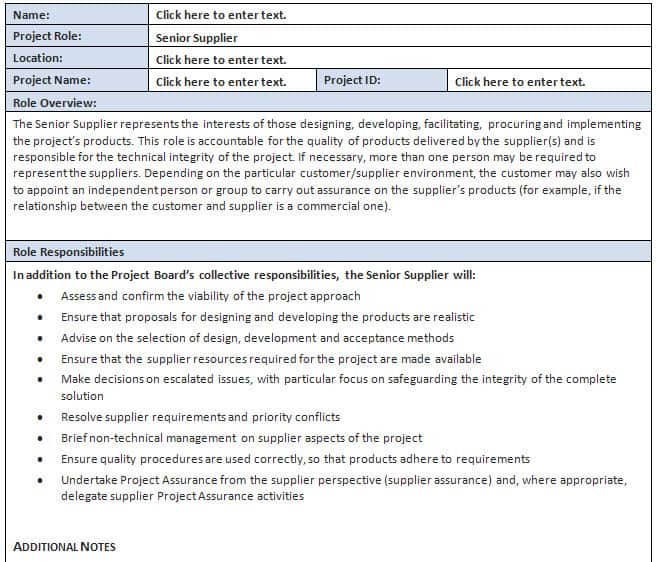
Customizable Product Description Template
Frequently Asked Questions
Are these product description templates free to download?
Yes, all 3 product description templates on this page are free to download and use.
Can I customize the fields on these templates?
Yes, since the templates are editable, you can adjust the sections and wording to fit any product category.
What’s the difference between a product description and a specification sheet?
A product description is persuasive and benefit-focused, while a specification sheet is a factual, technical list of details.
Are these templates suitable for Amazon or Etsy listings?
Yes, these templates can be adapted for marketplace listings, though you may want to shorten them for those platforms.
How long should a product description be?
Length depends on the product and platform, but a clear, benefit-focused description of a few short paragraphs usually works well.
Should I include keywords in my product description?
Yes, naturally incorporating relevant search terms can help your listing appear in more search results.

You must be logged in to post a comment.