
Growing revenue in a structured, predictable way becomes far easier with a sales plan template already designed and ready to use. Instead of building a planning document from scratch, a ready-made template gives you a clear, organized layout you can fill in with your sales goals, strategies, and timelines in minutes. Below you’ll find 15 free, downloadable sales plan templates in Word and Excel formats, suitable for sales teams, managers, and business owners.
What Is a Sales Plan Template?
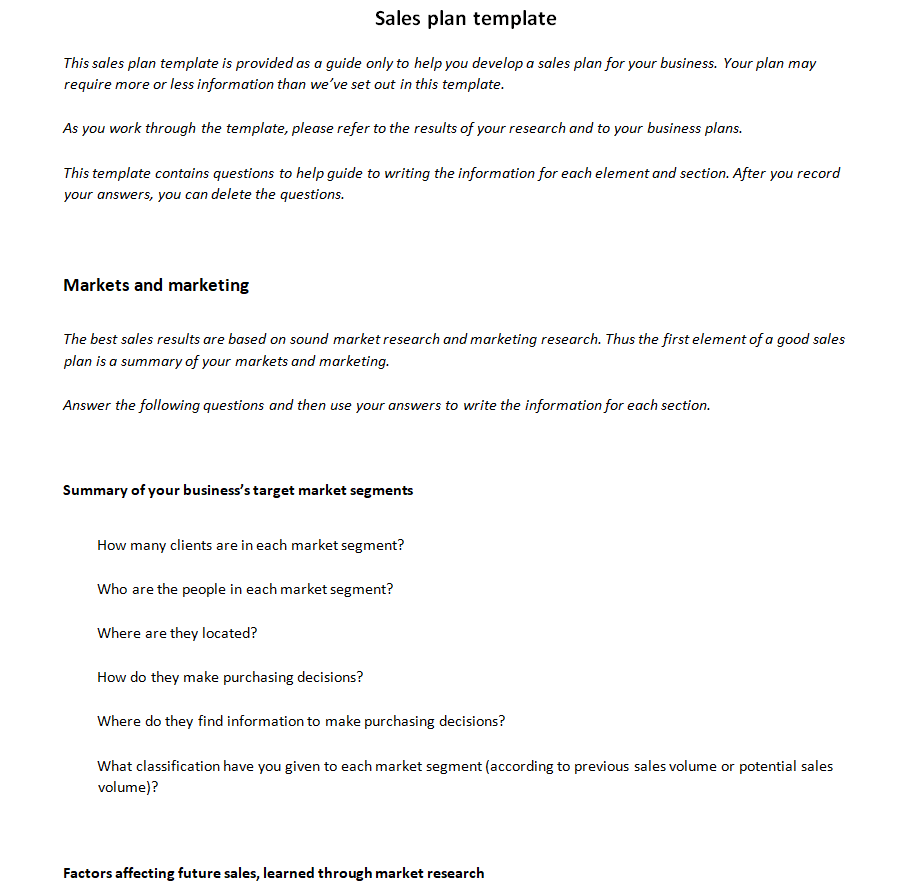
A sales plan template is a pre-designed document used to outline a sales team’s goals, target market, strategies, and the specific actions needed to reach revenue targets within a set timeframe. Rather than building a planning framework from scratch, a ready-made template gives you a structured layout already built with sections for objectives, tactics, budgets, and timelines. These templates are used by sales managers, business owners, and individual sales representatives who need a clear, consistent way to map out how sales goals will actually be achieved.
Why You Need a Sales Plan Template: Key Benefits
- Saves planning time: A ready-made structure means you can focus on strategy instead of designing a document from scratch.
- Improves goal clarity: A clear layout makes it easy to define specific, measurable sales targets.
- Aligns the sales team: A shared plan keeps everyone working toward the same objectives with a consistent approach.
- Supports accountability: Defined action steps and timelines make it easier to track progress and hold team members accountable.
- Easy to customize: Editable fields let you quickly adapt the plan to a new quarter, territory, or product line.
- Free and reusable: Download once and reuse the same structure for every planning period.
What’s Included in the Sales Plan Template
- Executive summary section: Space to briefly outline the overall sales objectives and approach.
- Target market and customer profile: Fields for describing the ideal customer and market segment.
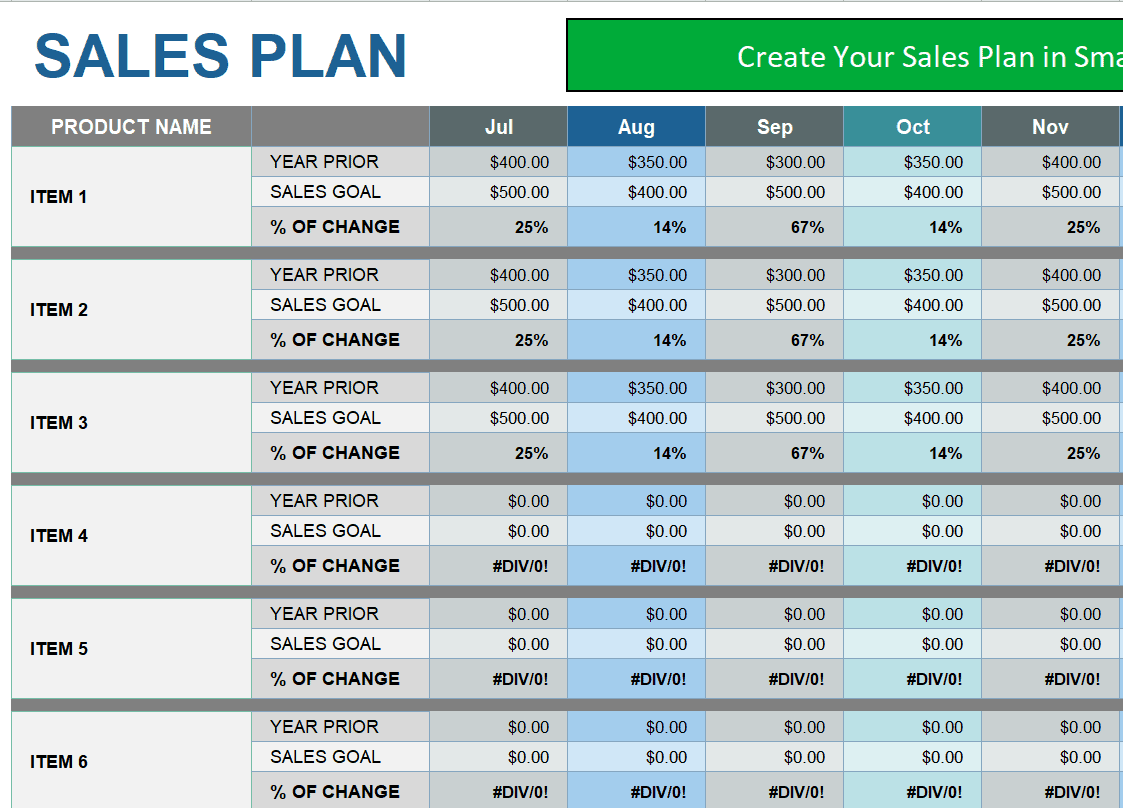
- Sales goals and metrics: A section for defining specific revenue targets and key performance indicators.
- Strategies and tactics: Space to outline the specific approaches the team will use to reach its goals.
- Budget and resources: Fields for tracking the budget allocated to sales activities.
- Timeline section: A structure for organizing action items by week, month, or quarter.
Who Should Use These Templates?
- Sales managers setting direction and targets for their teams.
- Small business owners planning sales strategy without a dedicated sales department.
- Individual sales representatives organizing their own territory or account plans.
- Startup founders mapping out an early go-to-market sales approach.
- Marketing teams aligning campaigns with sales objectives.
- Business consultants helping clients formalize their sales strategy.
How to Start Using the Template in 3 Simple Steps
- Step 1 — Choose a template style: Browse the 15 options below and select the format that best fits your sales process.
- Step 2 — Fill in your goals and strategy: Add specific revenue targets, target markets, and the tactics you’ll use.
- Step 3 — Review and adjust regularly: Revisit the plan periodically and update it as market conditions or results change.
Sales Plan vs. Business Plan
While both documents guide a company’s direction, a sales plan and a business plan serve different purposes. A business plan covers the full scope of a company’s operations, including its mission, financing, operations, and overall strategy. A sales plan, by contrast, focuses specifically on how the company will generate revenue, detailing target customers, sales tactics, and specific goals for the sales team. In most organizations, the sales plan is developed as a supporting component of the broader business plan, translating high-level revenue goals into concrete, actionable steps for the sales force.
Customizing the Template for Your Business
These templates are designed to be a flexible starting point rather than a fixed format. You can add your company’s specific product lines, adjust the target market description, or build in additional metrics relevant to your industry. Since the templates are provided in editable Word and Excel formats, most adjustments take only a few minutes and let you tailor the plan to fit your particular sales process and goals.
Choosing the Right Format
With 15 different templates available in Word and Excel formats, choosing the right one depends on your business size and how you plan to use the document. Word templates work well for narrative-style plans with detailed strategy descriptions, while Excel templates are useful for plans that rely heavily on numbers, quotas, and tracking metrics. Reviewing each option before committing to one can help you find the layout that best fits your sales planning style.
Common Mistakes to Avoid
- Setting vague goals: Define specific, measurable targets rather than general aspirations.
- Ignoring the target market: Clearly define who you’re selling to before outlining tactics.
- Overloading the plan with tactics: Focus on a manageable number of high-impact strategies rather than trying everything at once.
- Skipping regular reviews: A sales plan only stays useful if it’s revisited and adjusted as conditions change.
- Not involving the sales team: Input from the people executing the plan tends to make it more realistic and effective.
Tips to Get the Most Out of Your Sales Plan Template
- Set specific, measurable goals rather than broad statements about growth.
- Break annual goals into quarterly or monthly targets to make progress easier to track.
- Share the plan with the full sales team so everyone understands the strategy.
- Review performance against the plan regularly to catch issues early.
- Update the plan as market conditions change rather than treating it as fixed for the year.
Setting Realistic Sales Targets
One of the most important parts of any sales plan is setting targets that are ambitious enough to drive growth but realistic enough to be achievable with the resources available. Targets that are too aggressive can demoralize a sales team when they’re consistently missed, while targets that are too conservative fail to push the team toward its full potential. Looking at historical sales data, market conditions, and available resources before finalizing targets helps strike a balance that keeps the team motivated while still driving meaningful growth.
Building a Sales Forecast Into Your Plan
A sales forecast, which estimates expected revenue over a given period based on historical performance and current pipeline data, is a valuable companion to a sales plan. Including a forecast section alongside the strategic elements of the plan gives stakeholders a clearer picture of expected outcomes and helps with budgeting and resource allocation. Regularly comparing actual results against the forecast also makes it easier to spot trends early, whether that means adjusting strategy mid-quarter or reallocating resources toward higher-performing segments.
Aligning Sales and Marketing Efforts
Sales plans work best when they’re developed in coordination with the marketing team, since marketing campaigns often generate the leads that sales representatives then work to close. A sales plan that outlines expected lead volume and quality from marketing, alongside the sales team’s own outreach efforts, creates a more complete picture of how revenue targets will actually be met. Regular communication between sales and marketing throughout the planning period also helps both teams adjust their efforts based on what’s actually working in the market.
Tracking Progress Throughout the Sales Cycle
A sales plan is most useful when it includes a clear system for tracking progress against goals throughout the sales cycle, not just at the end of a quarter or year. Regularly updating figures like closed deals, pipeline value, and conversion rates against the plan’s targets makes it easier to spot whether the team is on track or needs to adjust its approach. Building in scheduled check-ins, whether weekly or monthly, keeps the plan a living document that guides ongoing decisions rather than a static file that’s revisited only when problems arise.
Adapting the Plan for Different Sales Territories
Companies operating across multiple regions or territories often need to adapt a single sales plan framework to account for local market conditions, competition, and customer preferences. A territory-specific version of the plan, built from the same core template, allows regional sales representatives to set goals and tactics that reflect their particular market while still aligning with overall company objectives. Comparing performance across territories using a consistent template format also makes it easier for sales leadership to identify which regions may need additional support or resources.
Using the Sales Plan for Onboarding New Hires
A well-documented sales plan doubles as a useful onboarding resource for new sales hires, giving them a clear picture of the company’s goals, target market, and expected approach from day one. Rather than piecing together strategy from scattered conversations or outdated materials, a new team member can reference the plan to quickly understand what success looks like and how their individual targets fit into the broader team goals. Walking new hires through the sales plan during their first week also opens the door for early questions and helps set realistic expectations before they begin working with customers directly.
Reviewing and Revising the Plan Annually
Even a well-constructed sales plan needs periodic revision, since market conditions, competitors, and company priorities all shift over time in ways that can make an outdated plan less effective. Scheduling a formal annual review, ideally before the start of a new fiscal year or planning period, gives sales leadership a dedicated opportunity to reassess targets, strategies, and resource allocation based on the previous period’s actual results. Treating this review as a structured process, rather than an informal conversation, helps ensure that lessons learned from the prior period are genuinely incorporated into the next plan rather than simply carried over unchanged.
Checkout the Sales Plan Templates Here
Business Sales Plan Template
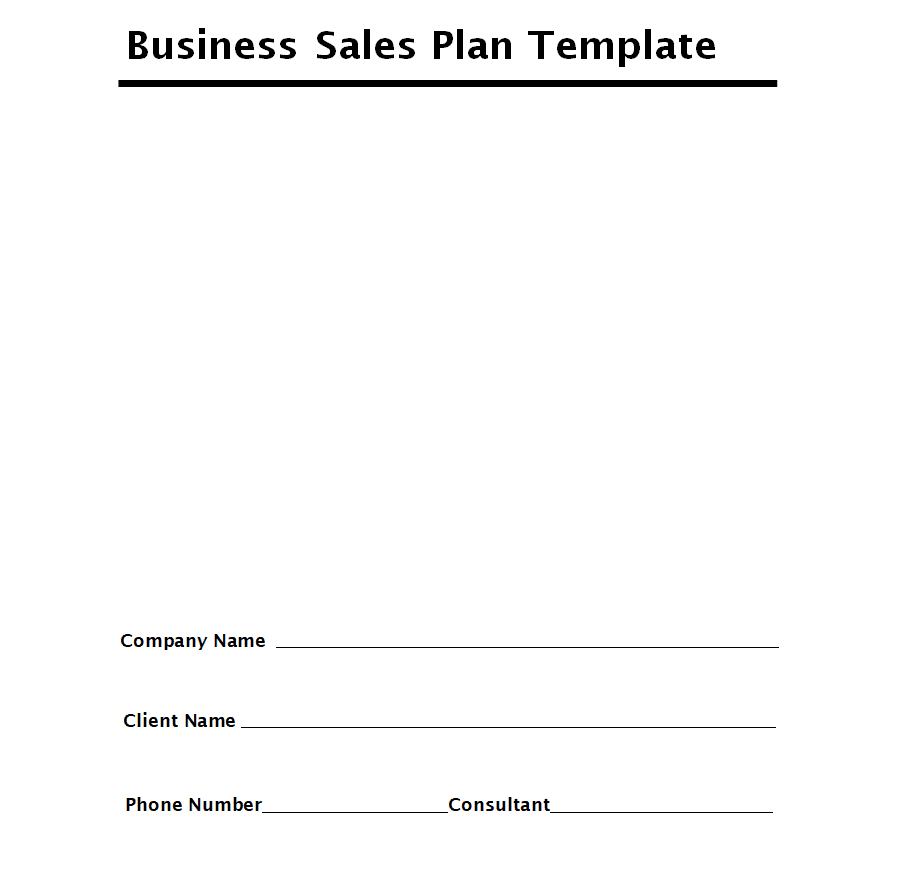
Personalized Sales Plan Template Guidelines

Yearly Sales Action Plan Template
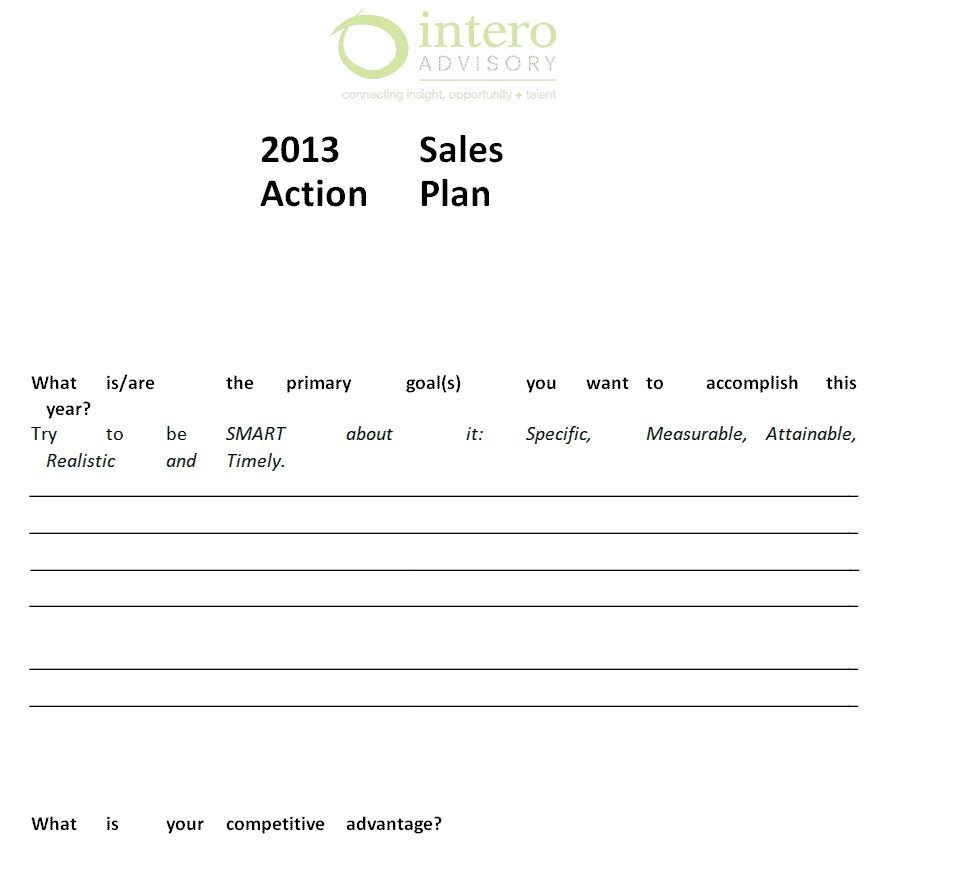
Sample Sales Plan Template
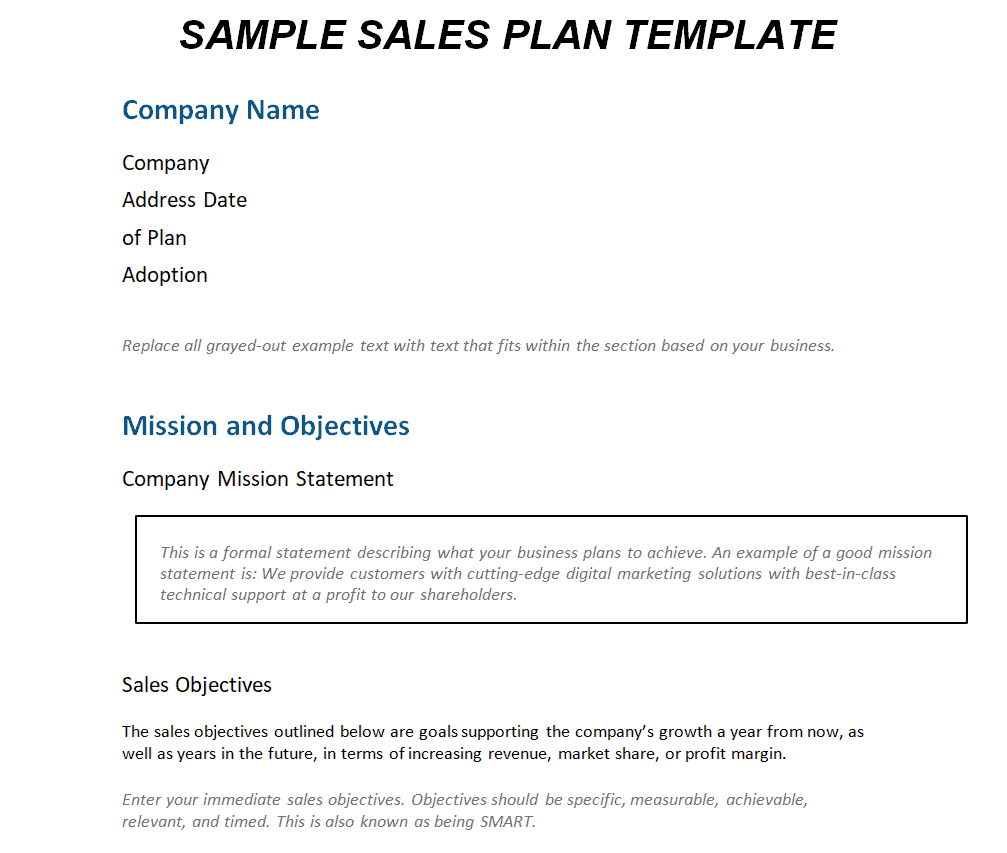
Local Territory Sales Plan Template
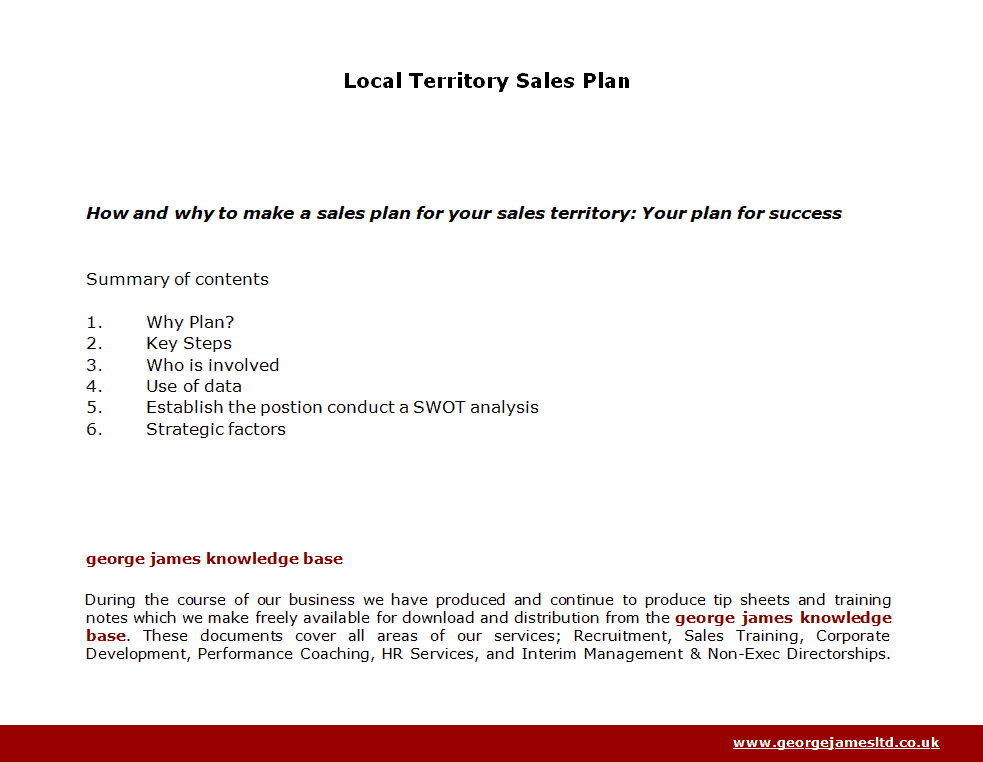
Company’s Sales Plan Template
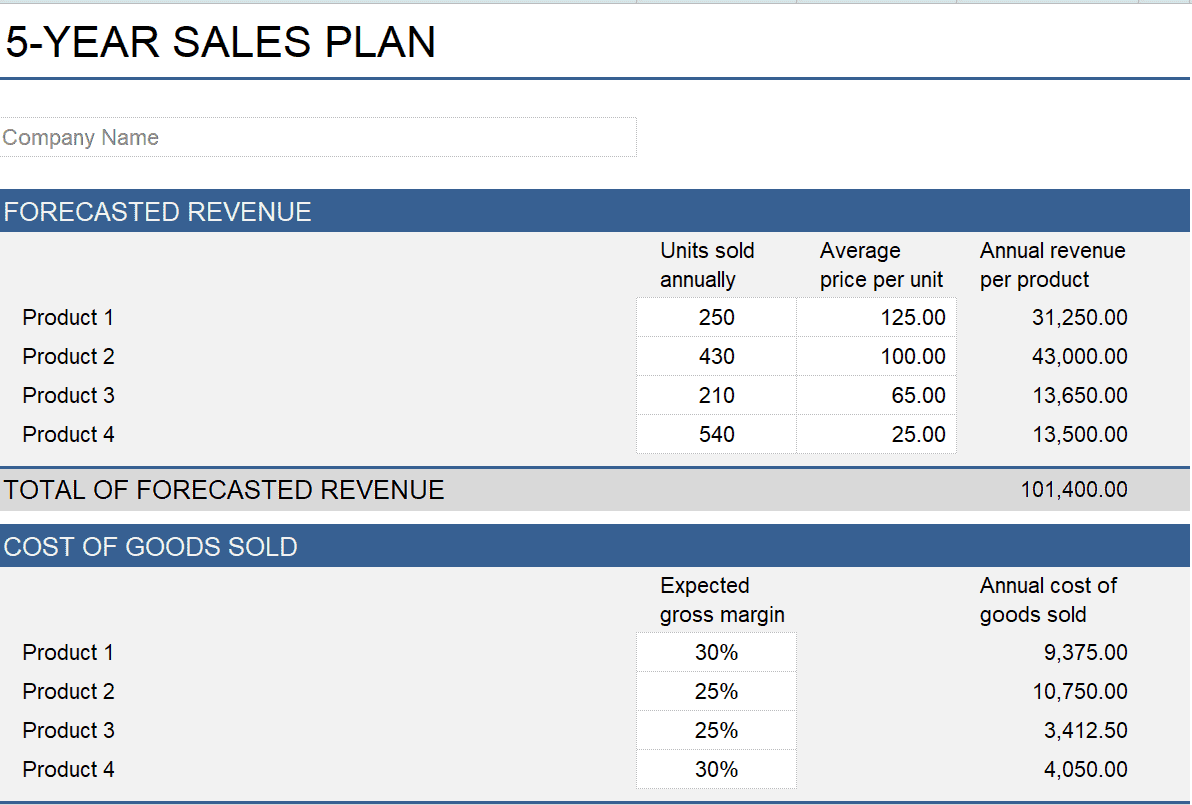
5-Year Sales Plan Template Excel Format
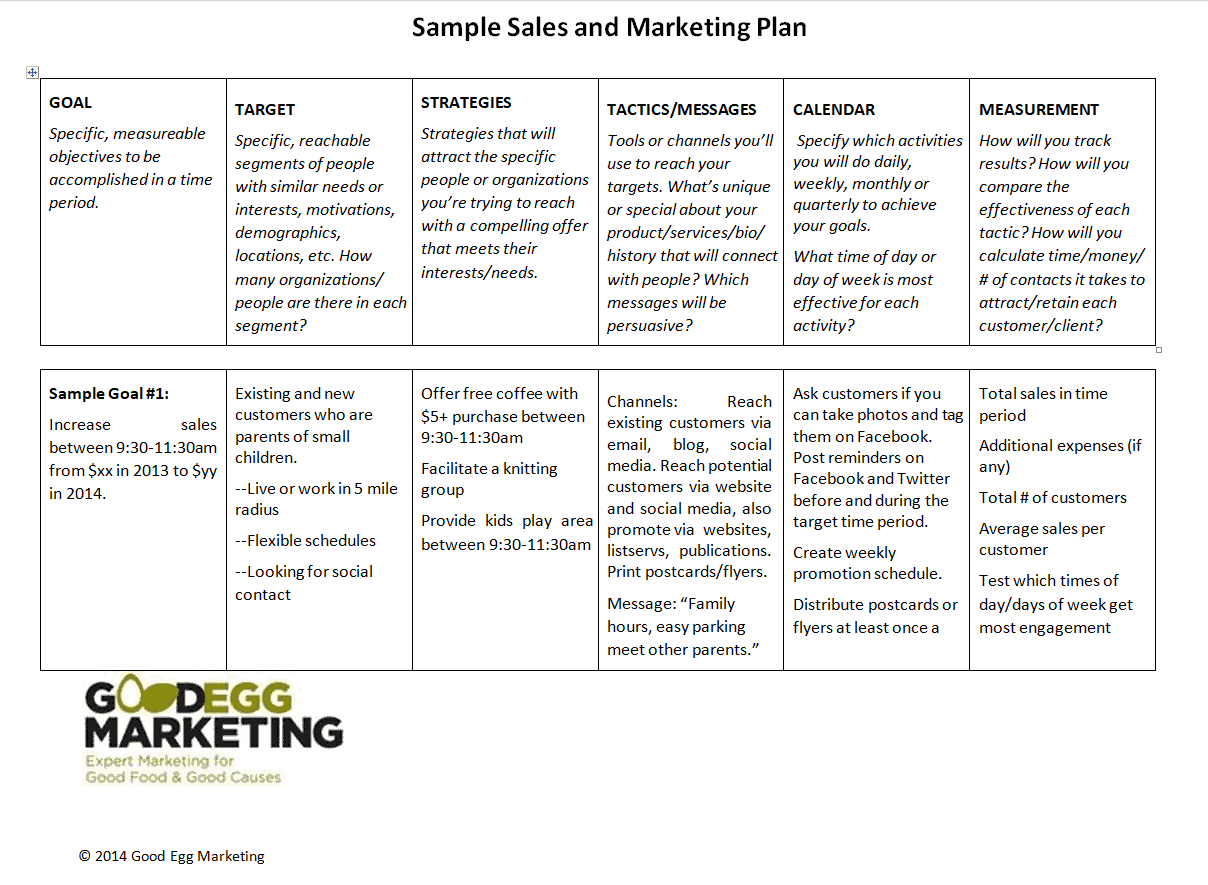
Simple Sales and Marketing Plan Template
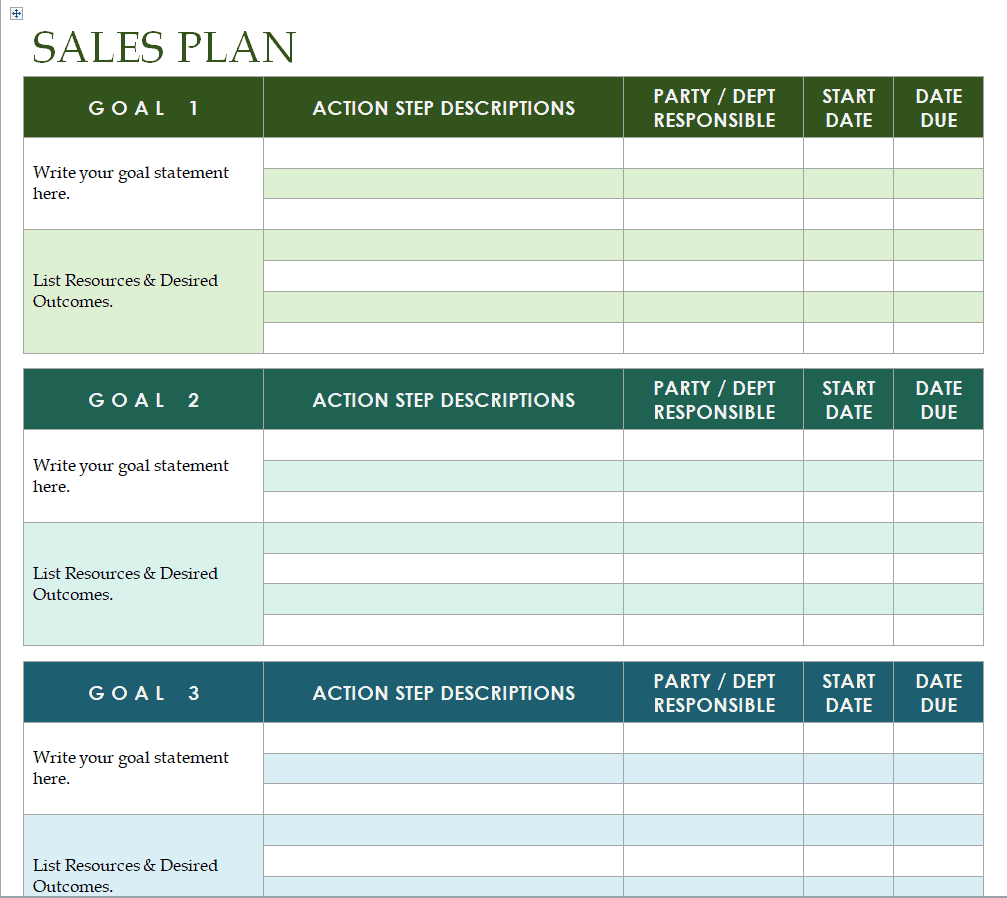
Official Sales Plan Template
Practical Sales & Marketing Plan Template
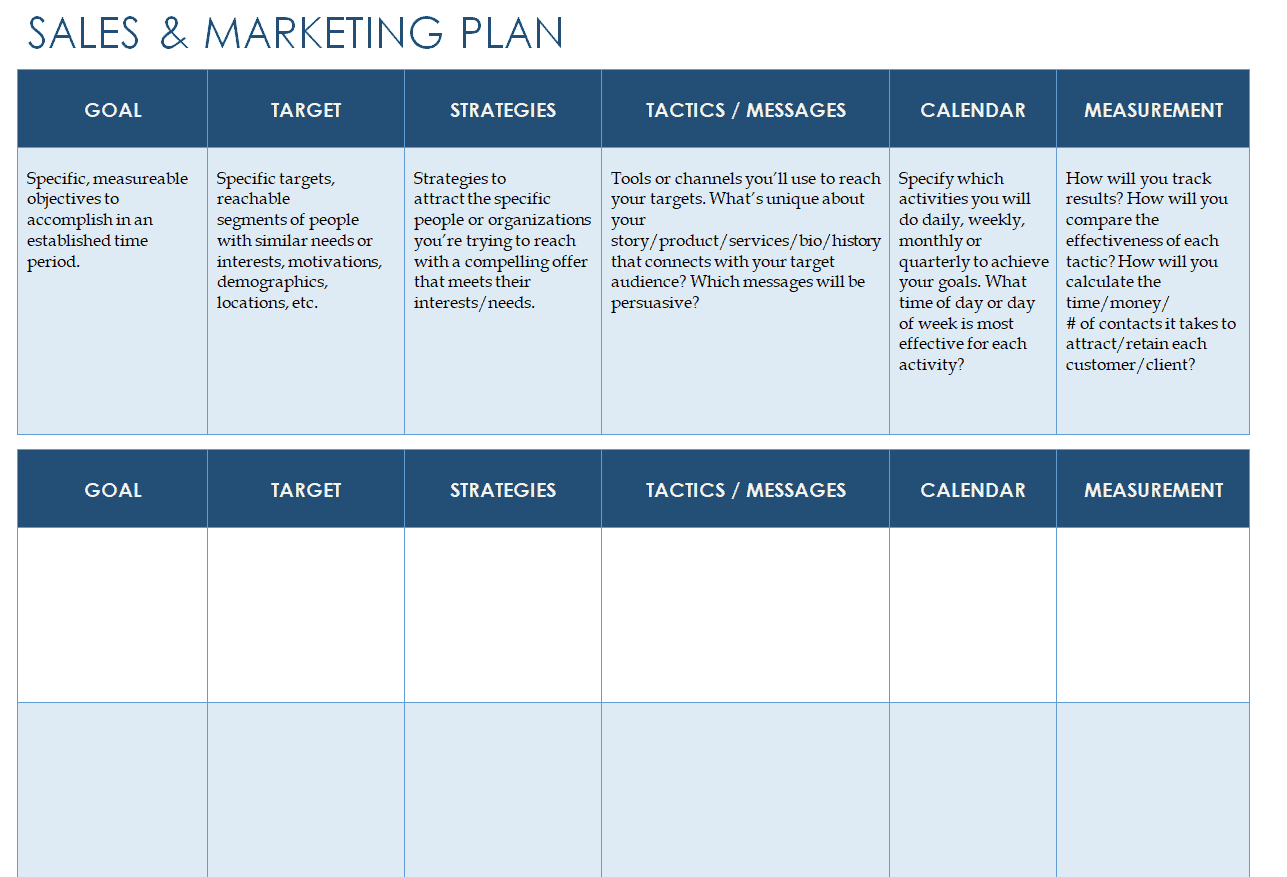
Basic Sales Plan Template
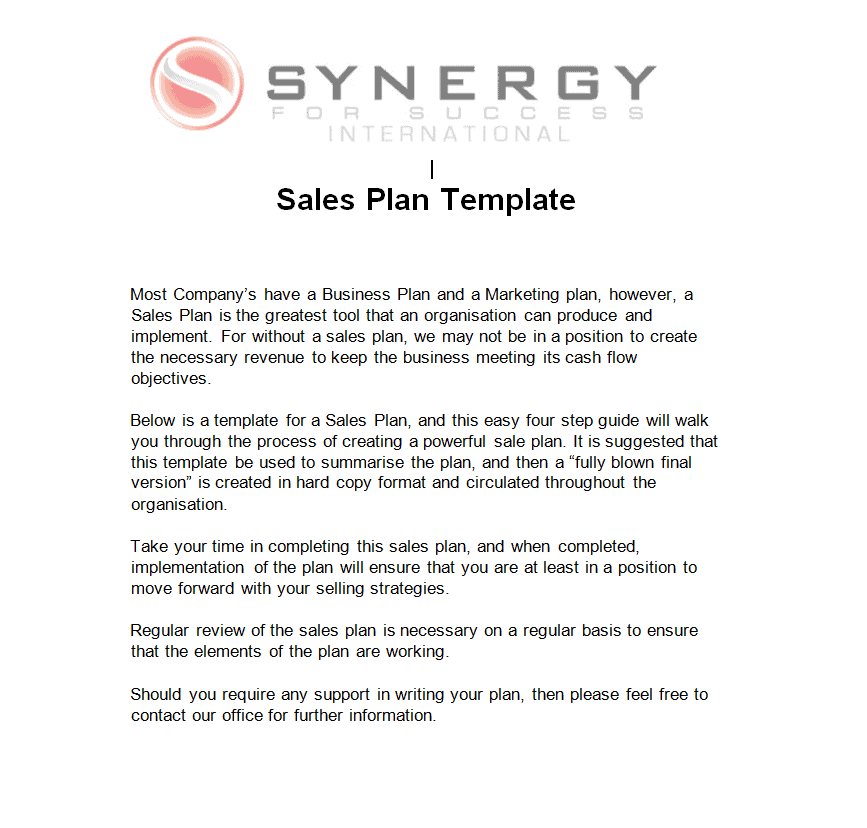
Strategic Digital Sales Plan Template
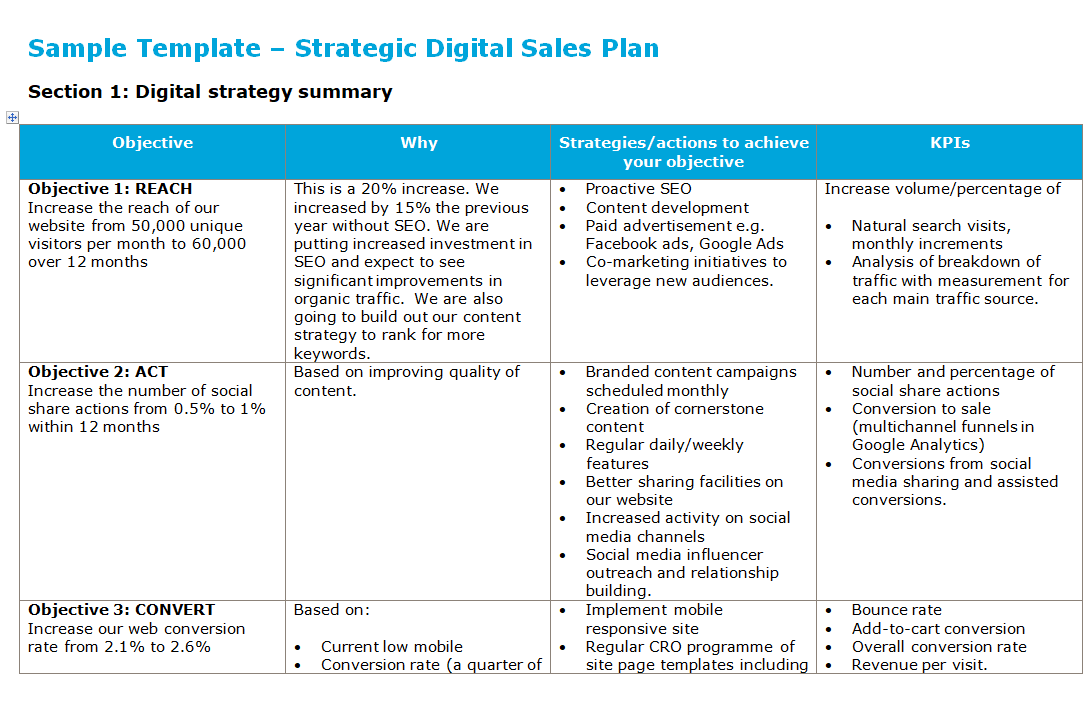
Example Sales Action Plan Template
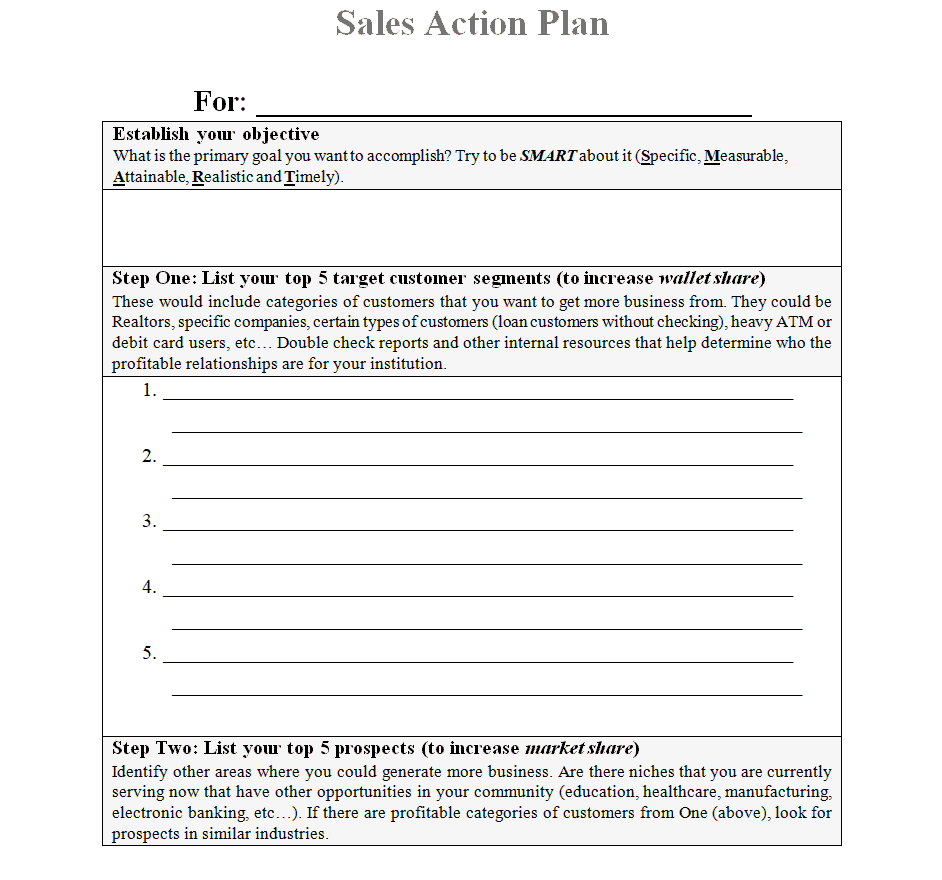
Basic Sales Plan Outline Template
Executive Sales Plan Excel Template
Frequently Asked Questions
Are these sales plan templates free to download?
Yes, all 15 sales plan templates on this page are free to download and use.
What file formats are these templates available in?
These templates are available in Word and Excel formats, so you can choose whichever is easiest for your sales planning needs.
Can I customize the fields on these templates?
Yes, since the templates are fully editable, you can add your own goals, target markets, strategies, and metrics.
What’s the difference between a sales plan and a business plan?
A business plan covers a company’s overall operations and strategy, while a sales plan focuses specifically on how the company will generate revenue.
Are these templates suitable for small businesses?
Yes, the templates work well for small business owners as well as larger sales teams and individual representatives.
Can these templates be used for a specific sales territory?
Yes, you can adapt any of these templates to create a territory-specific plan while keeping the same overall structure.
How often should I update my sales plan?
It’s best to review and update the plan regularly, such as quarterly, and conduct a more thorough revision annually.

You must be logged in to post a comment.