
Use bank statement templates to understand a sample statement layout and reconcile personal records with a genuine bank-issued statement.
Editable downloads and previews
Use the file links where provided. Links labeled “View original source” open another website; check its current format, availability and terms. A preview image alone is not an editable document.
Bank Statement Templates Are Shown Below
Sample Bank Statement Template
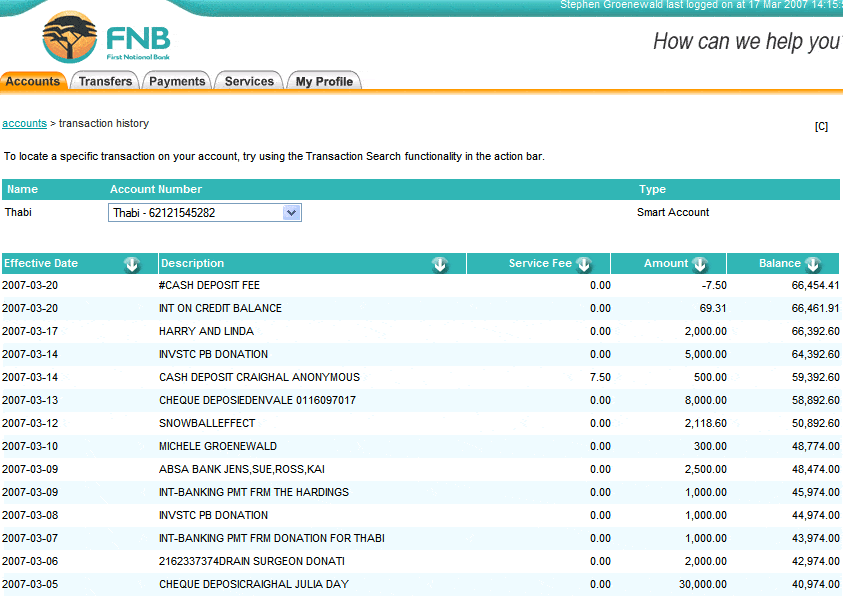
Simple Bank Statement Template

View original source for Simple Bank Statement Template
Bank Statement Template Free
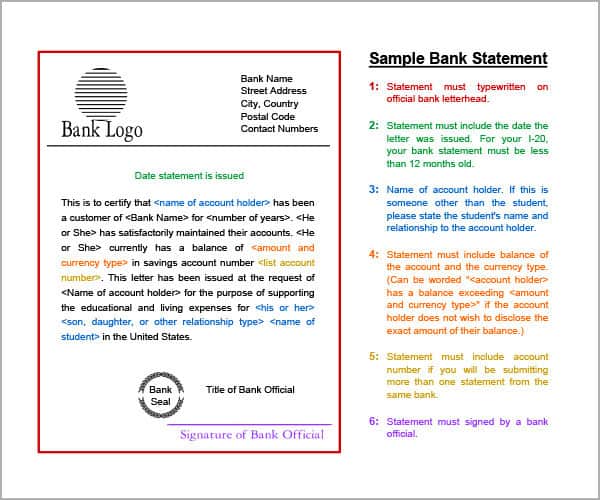
Download Bank Statement Template Free (PDF)
Blank Bank Statement Template

The templates on this page are sample layouts for education, demonstration, or clearly labeled internal practice. They do not create genuine bank statements. For identity checks, lending, visa applications, proof of funds, or other official requests, obtain the required statement directly from the bank. Never alter balances or transactions to misrepresent an account.
Choose a suitable template
Use these layouts to understand information structure, not to manufacture an institution-issued record. Identify the real authority or institution responsible for the document and the purpose for which a recipient needs it. The recipient may require a particular certified or directly issued copy. A visually similar template does not meet that requirement simply because it contains familiar fields.
Important details to prepare
Sample label
Mark demonstration copies clearly as SAMPLE and use fictional details. Do not copy a real bank’s branding to imply that it issued the document. Start with the responsible source and verify its contact route. A search result, copied logo, or third-party layout is not evidence that a document has been issued by that institution.
Reporting period
Identify the sample’s opening and closing dates. For reconciliation, use the period on the genuine bank-issued statement. Use confirmed identifying information only for a legitimate request through the proper channel. In a practice document, use fictional information and keep the sample status unmistakable.
Account identification
Keep account details masked in shared examples. Real statements should be obtained and stored through the bank’s legitimate channels. Check the institution’s requirements rather than assuming a generic field list is sufficient. Eligibility and disclosure rules can vary with the document and its intended use.
Transactions
Understand dates, descriptions, debits, credits, and fees. Compare genuine statement entries with your records rather than rewriting the statement to match. Preserve distinctions between the type of copy requested and the format used for practice. A recipient’s acceptance requirements should be confirmed before relying on a sample layout.
Balances
Review how opening balance and transactions lead to closing balance. An unexplained difference needs investigation, not a fabricated balancing entry. Investigate discrepancies through the issuing institution. Do not resolve them by changing the displayed facts in a template and presenting the result as an authentic record.
Official copies
Follow the receiving institution’s requirements for official statements and contact the bank about corrections or suspected errors. Keep issued records intact. Limit access to the records and personal information involved. A tracking reference and a secure filing process are generally more useful than circulating complete sensitive documents in a shared planning sheet.
How to complete the template
For a genuine need, follow the institution’s published request process. Confirm the correct office, eligibility requirements, required information, fees if any, and delivery method. Use legitimate contact channels and keep application references. If a record contains an error, ask the issuing institution about its correction procedure. Do not alter an issued document or fill gaps with invented information.
Worked example
A student uses fictional transactions to learn statement reconciliation. A sample opens at 1,000, records a 300 deposit and 120 payment, and closes at 1,180 before any other entries. The page is labeled SAMPLE. For an actual loan application, the student obtains the required bank-issued statement rather than submitting the practice worksheet.
Check accuracy before use
Check the recipient’s requirements before ordering or sending a copy. Distinguish a demonstration file, ordinary copy, certified copy, and institution-issued record. For educational use, use fictional data and conspicuous sample labels. Remove any feature that could misleadingly imply genuine issuance, verification, or official authorization. Arithmetic practice and layout study do not require presenting an example as a real person’s record.
Related resources for the next step
Use checkbook register templates to maintain personal transaction records.
Use bank deposit slip templates to understand deposit documentation.
Use ledger statement templates to compare internal account records with genuine statements.

You must be logged in to post a comment.