
Use daily budget spreadsheet templates to track daily cash movements against a practical spending plan without confusing transfers with income. This page currently provides layout examples and source references rather than an editable download.
Layout examples and source links
Use the file links where provided. Links labeled “View original source” open another website; check its current format, availability and terms. A preview image alone is not an editable document.
Get Daily Budget Spreadsheet Templates Here
Daily Budget Spreadsheet For Personal Use
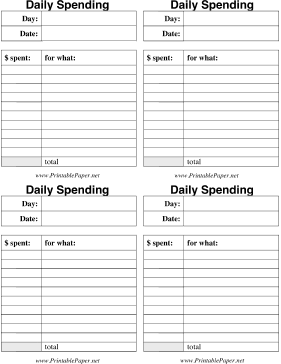 View original source for Daily Budget Spreadsheet For Personal Use
Daily Budget Worksheet Sample
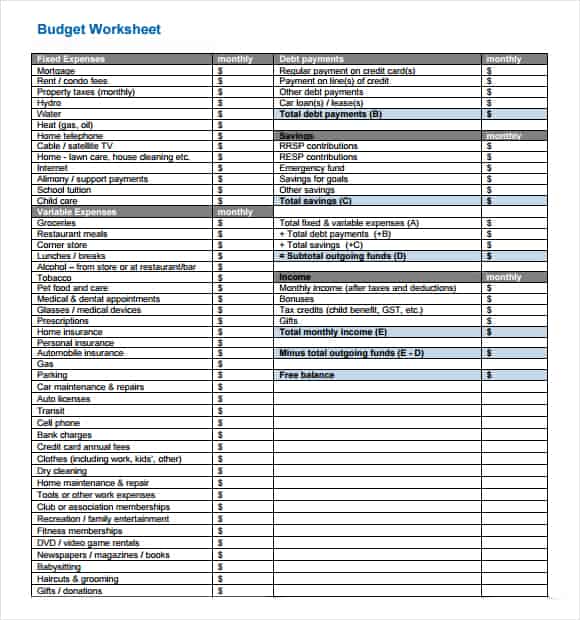
Blank Daily Budget Spreadsheet
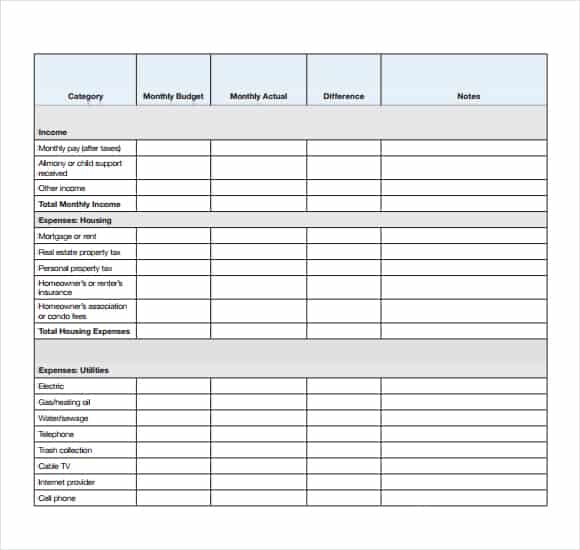 The older external file is unavailable. Its preview is retained for reference.
Daily Budget Spreadsheet For Personal Use Template
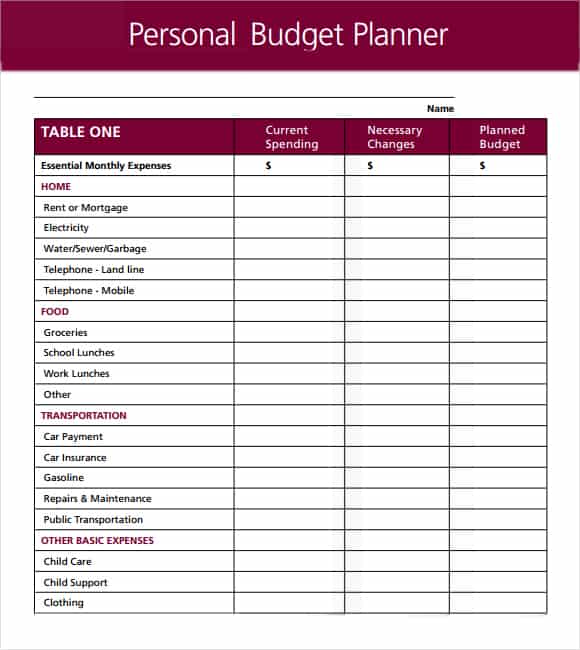 The older external file is unavailable. Its preview is retained for reference.
A daily budget helps explain what happened today and what is still available before the next income date. Its strength is timely recording. A daily spending target should reflect irregular bills and real cash timing rather than dividing monthly income into equal portions without context.
Choose a suitable template
Choose a budget layout by the decisions you need to make and the timing of your income. A daily plan, monthly household view, and annual forecast answer different questions. Keep actual spending and planned amounts separate. Use categories detailed enough to explain decisions but simple enough that the people responsible will maintain them consistently.
Important details to prepare
Opening balance
Start with the money available within the budget’s defined accounts. Keep restricted savings or credit limits distinct from spendable cash. Use a dated, supported starting point and define what is included. Available money, restricted savings, and borrowing capacity should not be presented as interchangeable balances.
Income
Record money actually received and identify its source. Keep forecasts in a separate planned column until receipt occurs. Separate expectations from actual receipts. When the amount or date changes, update the forecast while preserving what was actually received.
Daily spending
Record date, payee, amount, and category promptly. Small purchases matter because repeated omissions distort the remaining budget. Record the detail promptly and use consistent categories. A small omission repeated often can distort the remaining allowance more than a single obvious large purchase.
Bills and commitments
Show upcoming commitments separately from today’s spending. A positive daily balance may already be needed for rent or another scheduled bill. Look ahead to the relevant due date instead of considering only today’s balance. Money still in the account may already be committed to a known obligation.
Transfers
Identify movements between included accounts without counting them again as income or spending. Record associated fees separately. Keep transfers and allocations explicit so the same money is not counted twice. A reserve for a future cost should have a clear purpose and review point.
Remaining allowance
Compare actual spending with the planned amount and explain changes. Carry forward the real balance rather than resetting the sheet unrealistically each morning. Use the comparison to make a concrete decision. Explain the change to the plan rather than treating every difference as either a failure or an automatic reason to spend more.
How to complete the template
Start with supported available balances, known income dates, and unavoidable commitments. Add variable spending and irregular future costs with explicit assumptions. Distinguish money moved between included accounts from new income or spending. Keep uncertain income visible as a forecast rather than treating it as cash already available. Review the dates as well as the totals; affordability over a month does not eliminate a shortfall before a bill is due.
Worked example
A person begins the day with 180 available, spends 24 on groceries and 6 on transport, and receives no income. The closing available amount is 150. Of that, 100 is reserved for a bill due tomorrow, leaving 50 for other planned uses. A transfer between two included accounts does not create new income.
Check accuracy before use
Reconcile actual entries with relevant account records and receipts. Look for duplicated transfers, omitted small purchases, annual bills missing from the plan, and categories that conceal several unrelated costs. Check that formulas extend to new rows. A budget should explain the remaining amount and upcoming commitments, not merely produce a positive-looking final balance.
Related resources for the next step
Use expense tracker templates to record individual daily purchases.
Use cash flow templates to review the timing of income and bills.
Use financial planning templates to connect daily decisions with longer goals.
