
Use net worth statement templates to take a dated snapshot of assets and liabilities using clear ownership, valuation, and currency assumptions.
Net worth is assets minus liabilities at a particular date. It differs from income, cash flow, and the amount immediately available to spend. A useful statement makes valuation dates and ownership shares visible, especially when property, investments, or debts belong jointly to several people.
Choose a suitable template
Choose a financial layout by the question it answers. A dated position, a period’s performance, and a transaction history are different views. Check that the proposed headings match the purpose before entering figures. If another party requires a prescribed format, use that format and treat these resources as supporting examples. A shorter worksheet with traceable figures is preferable to an elaborate report whose totals cannot be explained.
Important details to prepare
Statement date and scope
Choose an as-of date and identify the person or household covered. Do not combine a current loan balance with an asset estimate from several years earlier without flagging the mismatch. Keep the relevant supporting balance or source beside the working record until it has been checked. A convenient round figure is not evidence, and a later update should retain enough context to explain what changed.
Cash and investments
Use supported balances and distinguish accessible cash from restricted or retirement assets. Record the source date and currency so that the total can be traced and updated. Write down the classification rule in ordinary language. When a similar entry occurs next month, the person recording it should reach the same decision without having to reverse-engineer the previous workbook.
Property and other assets
Use a consistent valuation approach and describe estimates honestly. Avoid double counting property held through another asset category or including an asset at full value when only a share is owned. Use a consistent reference to connect the entry with its evidence. This makes a question easier to resolve and avoids relying on someone’s memory when the report is reviewed after the period ends.
Secured liabilities
Record outstanding mortgage and other secured debt principal with the relevant date. Identify which asset secures the loan without netting it away invisibly inside the asset value. Keep estimates distinguishable from recorded facts. A useful estimate identifies its date, basis, and limitations rather than appearing in the same form as a confirmed transaction.
Other obligations
Include applicable credit balances, personal loans, and other liabilities within the chosen scope. Keep contingent or uncertain obligations explained separately rather than quietly treating them as zero. Review the effect on relevant subtotals as well as the final number. An offsetting mistake can leave a grand total unchanged while making the categories misleading.
Net worth and notes
Subtract total liabilities from total assets, then explain important estimates and exclusions. A change in net worth may reflect market valuation movements rather than actual saving during the period. Record the reviewer and the date of the check where the process needs an audit trail. Resolve exceptions through a documented correction rather than silently replacing a previously issued result.
How to complete the template
Build the record from supporting documents rather than from the desired final total. Establish the opening position, enter the relevant period’s activity, and reconcile the resulting figures. Keep actuals, estimates, and forecasts visibly distinct. Use a single currency for totals unless an explicit conversion method is documented. Where the accounting basis matters, state it and apply it consistently to every relevant category.
Worked example
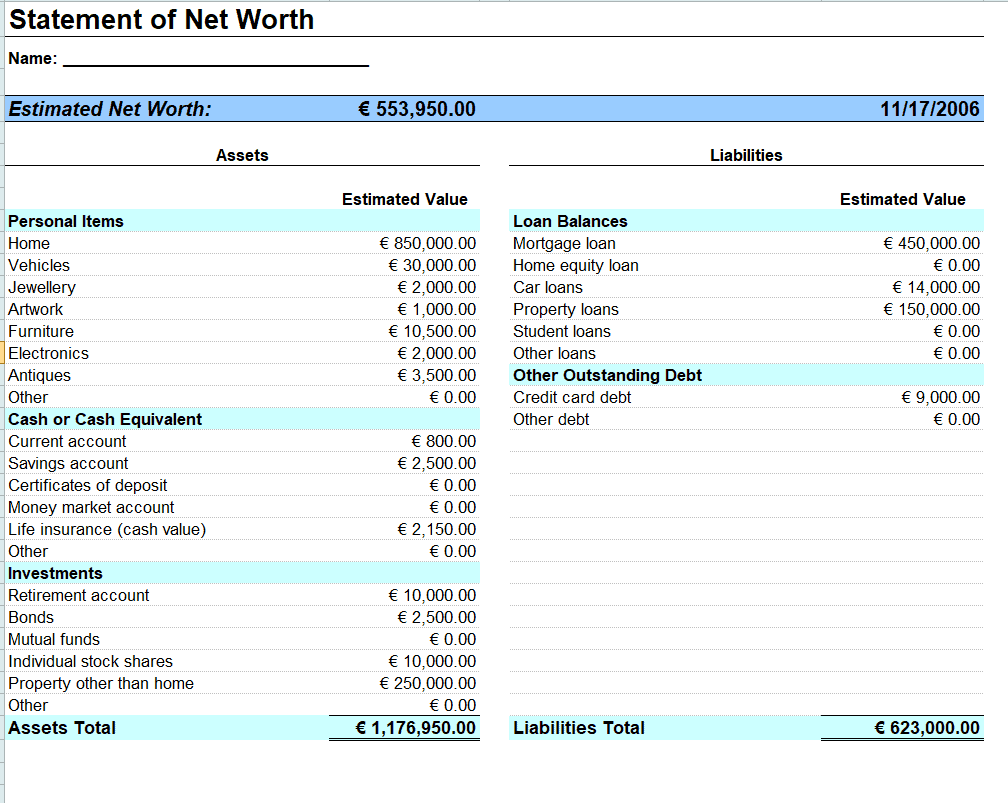
A household lists cash of 8,000, investments of 22,000, and an owned property valued at 200,000. Its mortgage balance is 140,000 and other debt totals 6,000. Total assets are 230,000, liabilities are 146,000, and estimated net worth is 84,000. This is not 84,000 of available cash. The statement notes the property valuation date and whether ownership is joint, then uses the same scope for the next review.
Check accuracy before use
Follow at least one amount from its source document into the worksheet and through to the final report. Then work backward from a subtotal to its component entries. Look for duplicated records, omitted dates, inconsistent signs, and values pasted over formulas. A total that adds correctly can still be wrong if the underlying scope or classification is inconsistent. Document unresolved items instead of making an unexplained balancing adjustment.
Check the final layout
Leave enough space for long names and descriptions, use readable text for essential instructions, and label statuses in words as well as color. Check the printed or exported copy at its intended size. On continuation pages, repeat the document reference and page number.
Keep the record up to date
Set a practical update and close routine. Preserve the reviewed period before opening the next one, and distinguish later corrections from ordinary new activity. Restrict access to financial and personal details, particularly when the workbook is emailed or shared. Retain supporting evidence through the appropriate recordkeeping process. If the worksheet feeds statutory, lender, or tax reporting, obtain the necessary review for that use.
Related resources for the next step
Use balance sheet formats to compare a structured assets-and-liabilities layout.
Use investment templates to maintain supporting investment records.
Use financial planning worksheets to connect the snapshot with future financial goals.
Browse the template previews
Compare the previews for layout, writing space, and useful fields. Where a resource link is provided, check its file format and usage terms before editing. Some previews are images or examples rather than editable downloads.
Significance of Net Worth Statement Templates
Having an accurate figure or value of net worth allows you to make effective development decisions as well as to chase financial goals and objectives efficiently without going out of money. Calculation of net worth is not a big deal or task but utilization of a proper format makes it easier and more accurate. Net worth is always equal to the whole value of your cash in hand or at the bank, investments made in other business organizations, and other types of assets minus all your liabilities and money you owe from others. The net worth statement is a professional tool to calculate and indicate the net worth of a business or individual person.
Calculation of net worth statement could be a basic and first step towards effective financial planning so find out your net worth right now with the given sample net worth statement templates. All of these samples are in different formats and outlines. These sample net worth statement templates will let you find net worth easily in a short span of time. These net worth statement spreadsheets may sound simple but really very useful for all businesses and companies. Editing in the net worth statement template can be made easily in MS excel.
Download Net Worth Statement PDF Templates Here
Personal Net Worth Statement Template
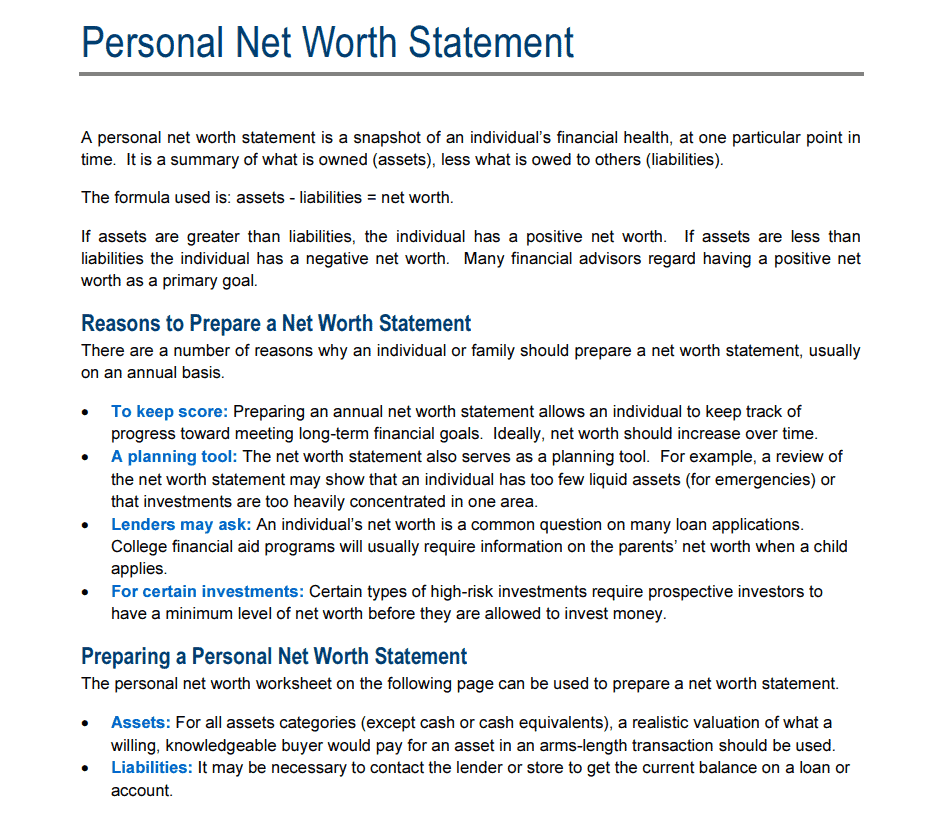
Fillable Net Worth Statement Template
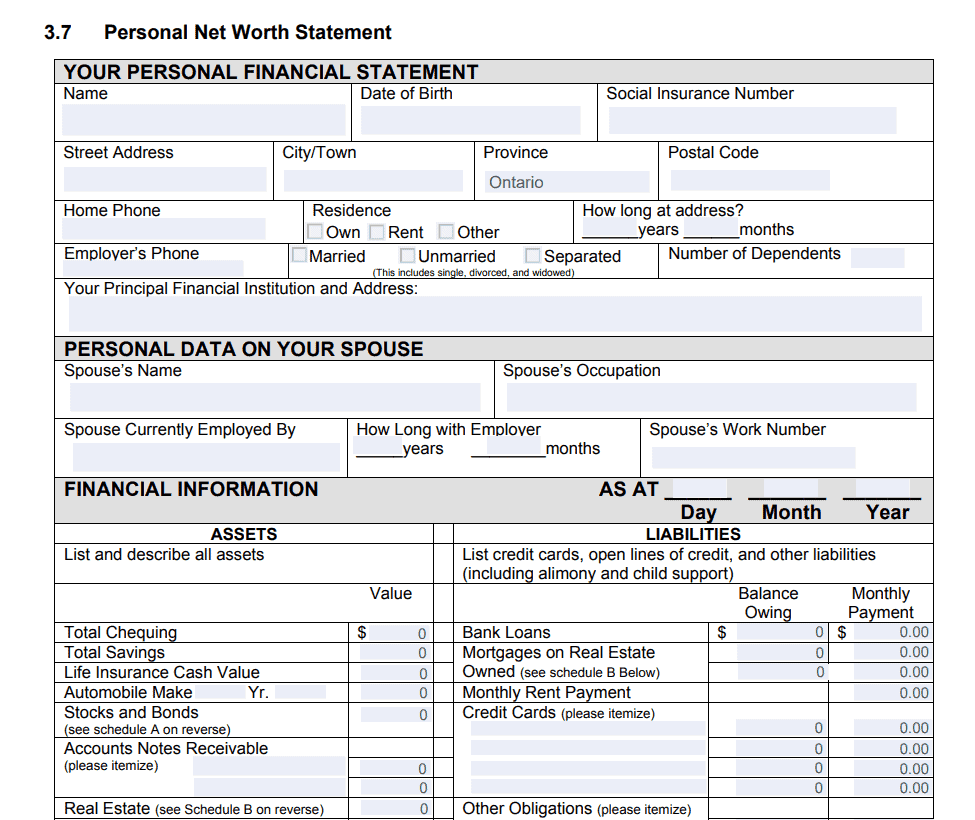
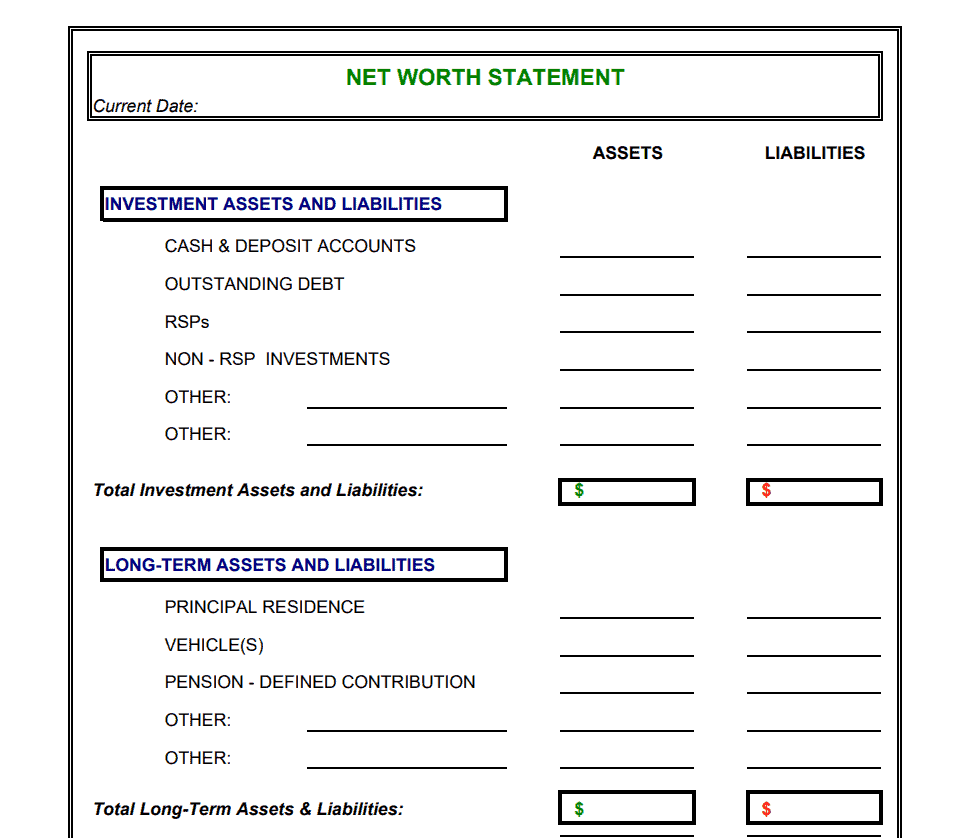
Blank Net Worth Statement Template
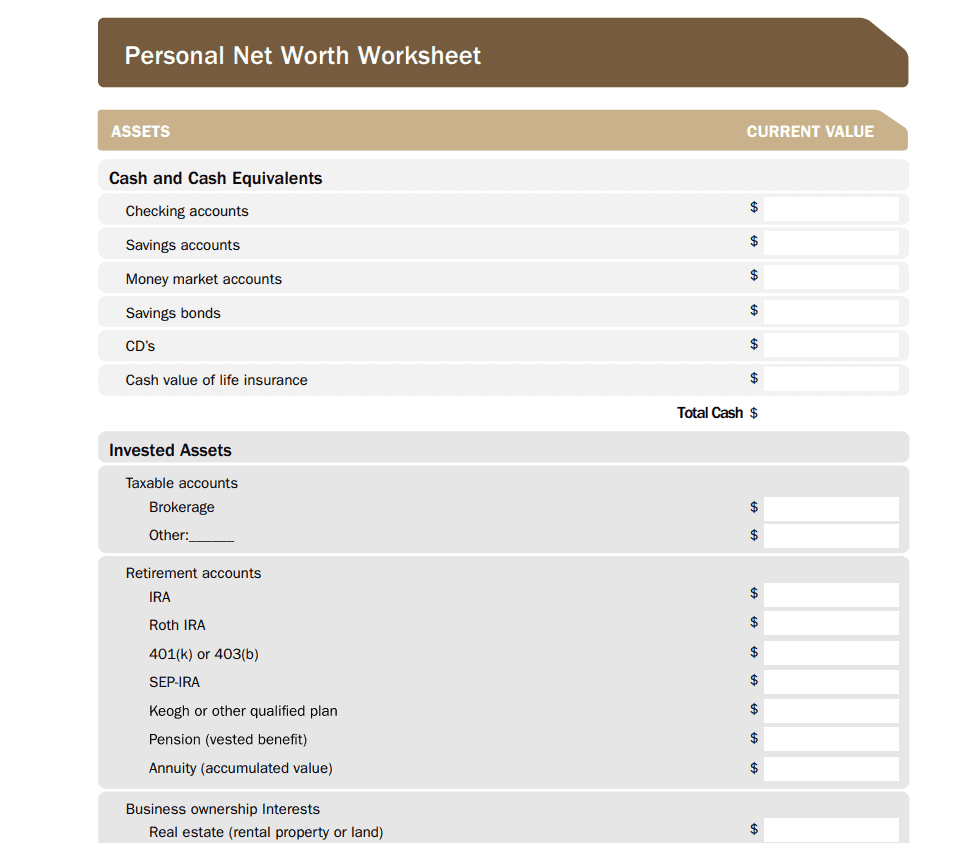
Personal Net Worth Worksheet Template
Personal Net Worth Statement Form Template
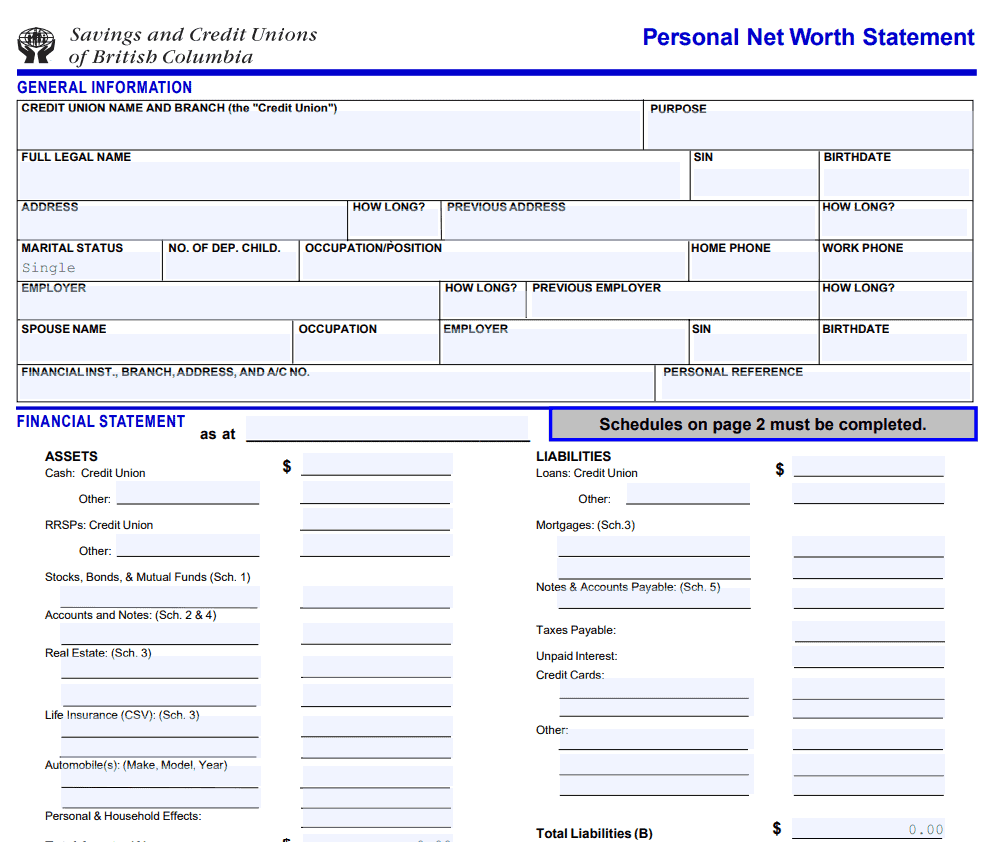
Online Net Worth Statement Worksheet Template
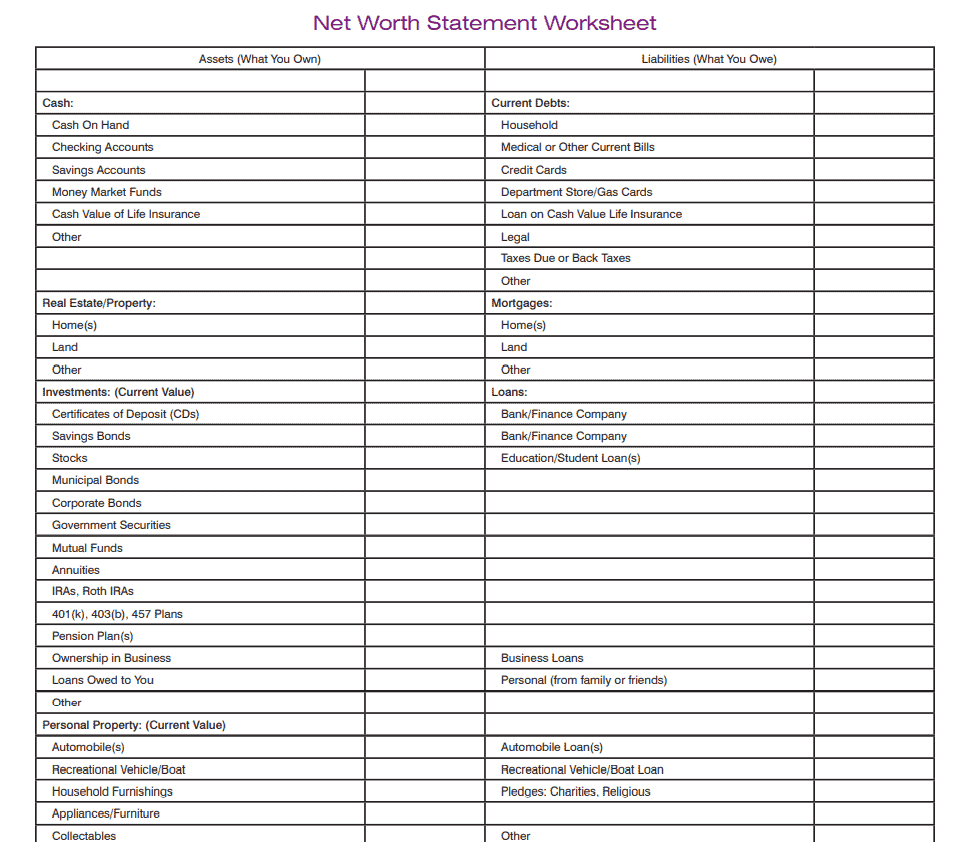
Official Net Worth Statement Template
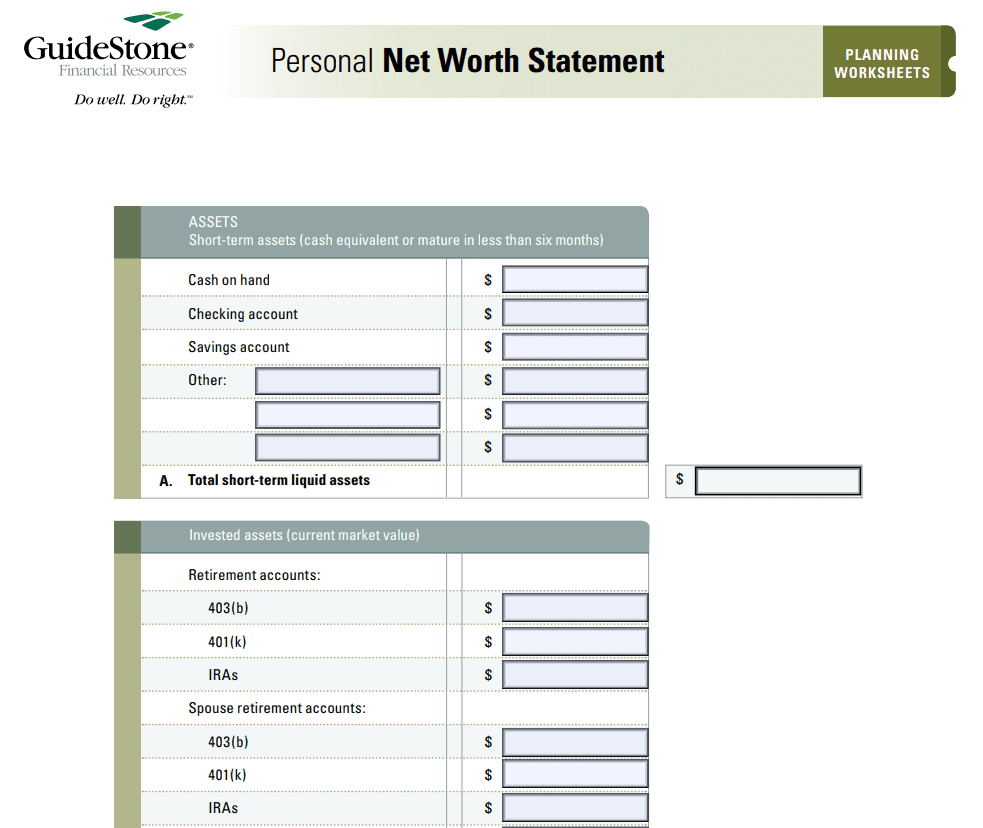
Download Net Worth Statement EXCEL Templates Here
Net Worth Calculation Template
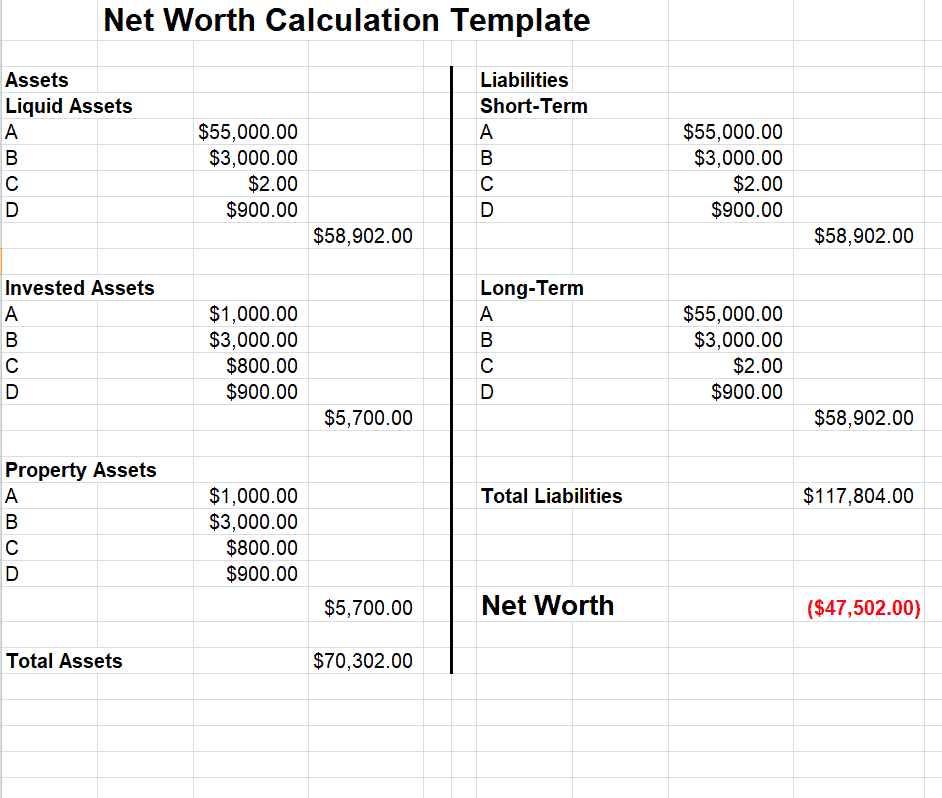
Small Business Net Worth Statement Template
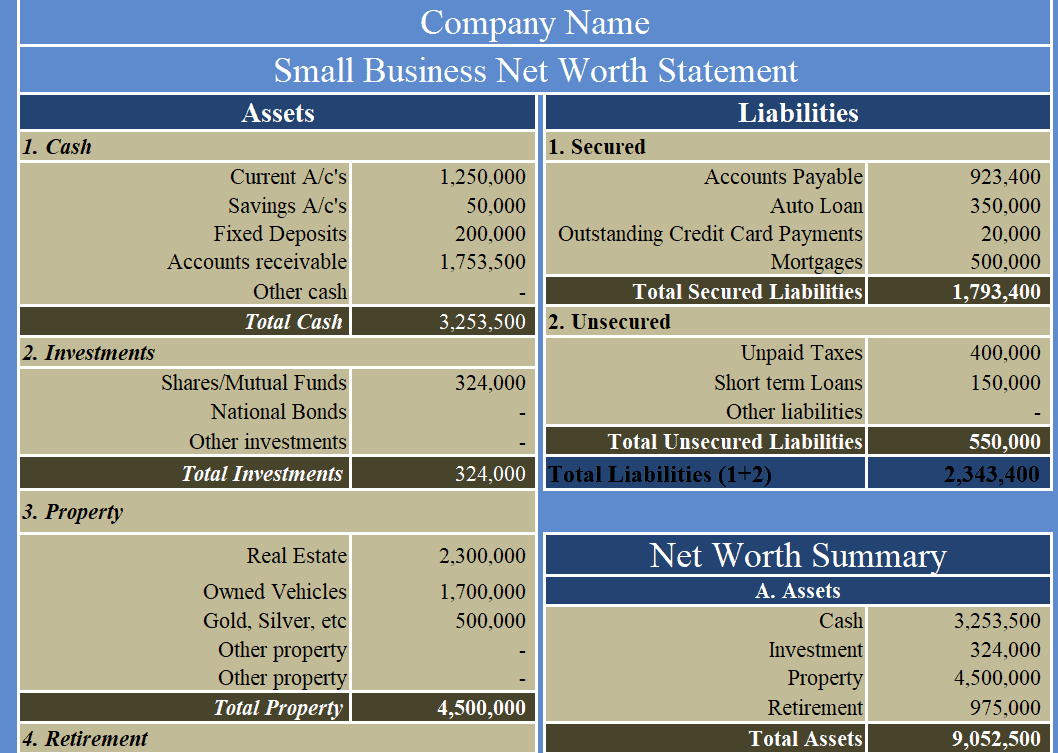
Example Net Worth Statement Template
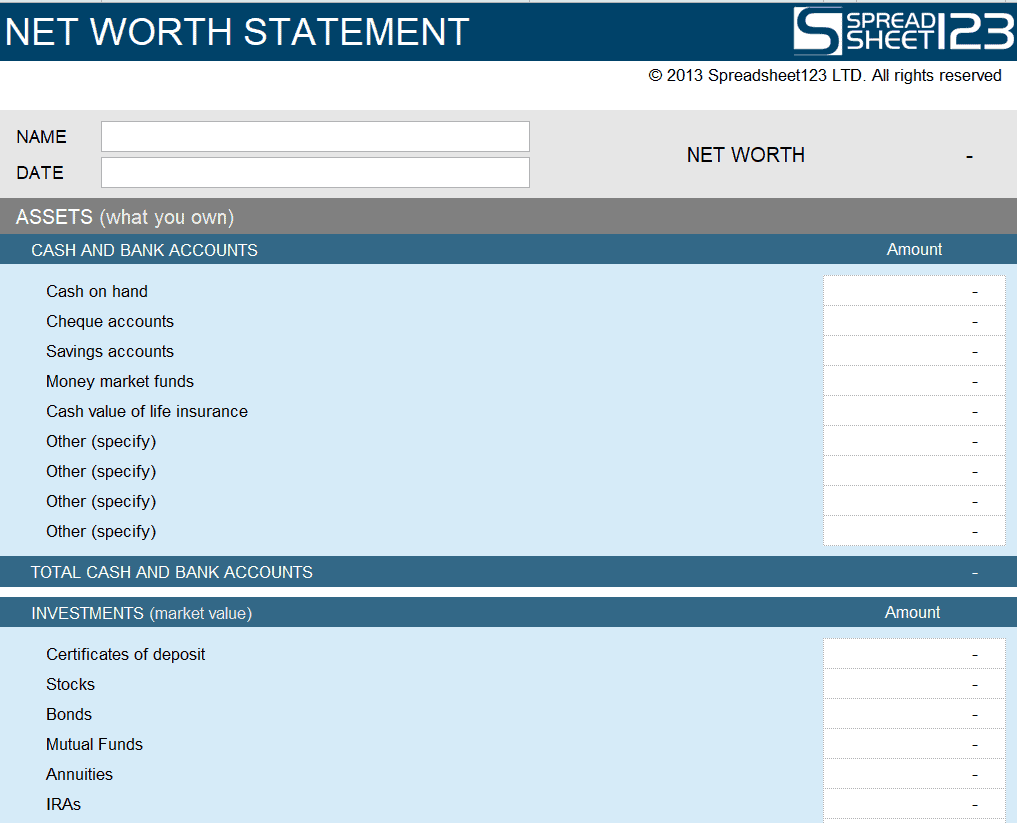
Net Worth Statement Calculation Format Template
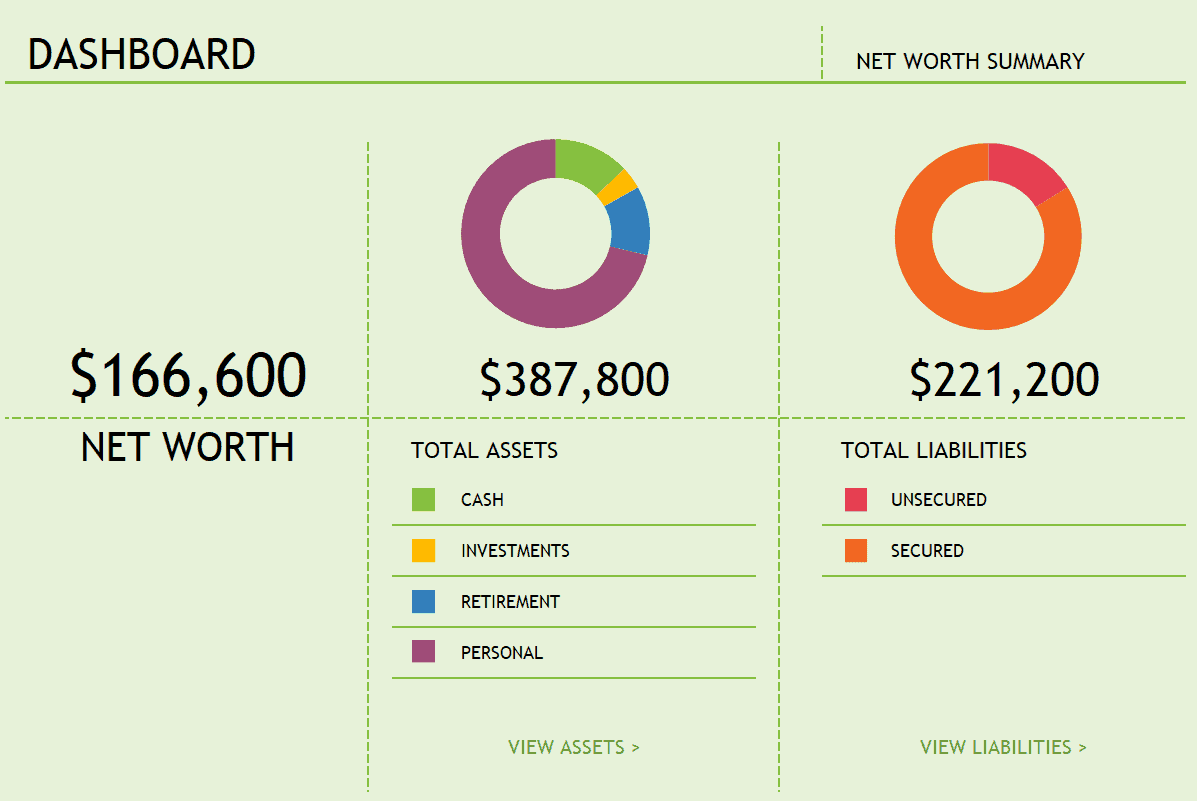
Practical Personal Net Worth Statement Template
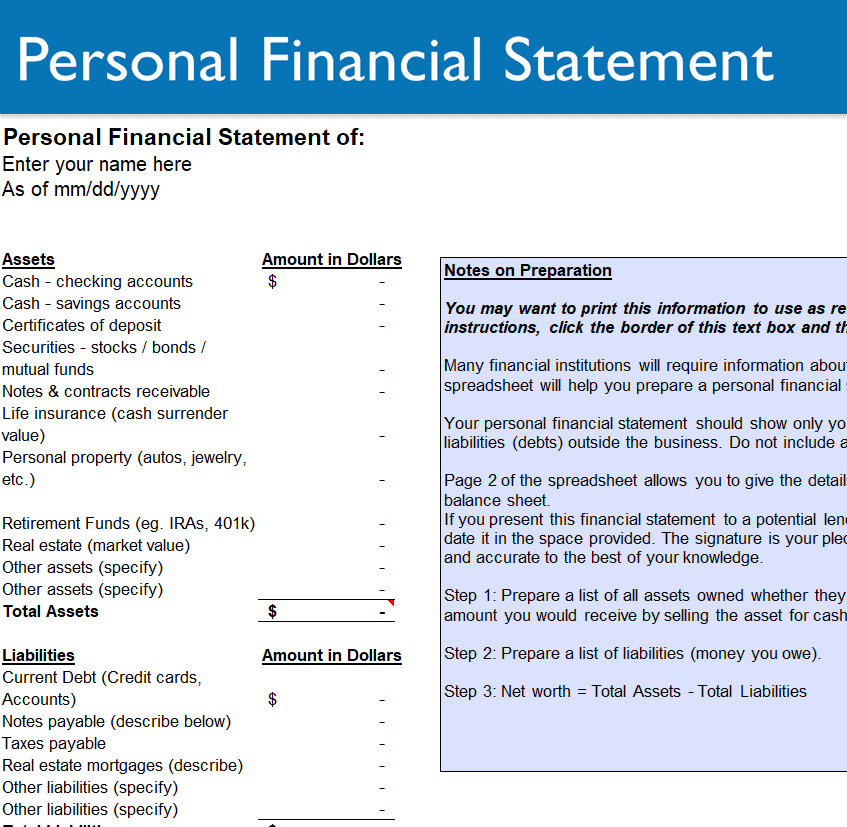
Sample Statement of Net Worth Template

You must be logged in to post a comment.