
Sign in sheet templates help organizers record who arrives at a meeting, class, event, or volunteer session. A clear sheet gives participants an easy way to enter the information needed and gives the organizer a consistent attendance record. The previews below show several layouts and related examples.
Before choosing a sheet, decide what you need to learn from it. A simple headcount may require only names, while a session record may need arrival time or a signature. This guide explains how to select fields, distinguish attendance from registration, and manage the completed record responsibly.
Define the purpose of check-in
Write down why the sheet is being used. You may need to confirm attendance, match arrivals to bookings, record volunteer participation, or document a training session. The purpose should determine the fields and the way the completed sheet is handled.
Include the event or session name, date, location, and organizer. If several sessions take place on the same day, distinguish them clearly. A page of names without context can be difficult to interpret later, even when every participant filled in their row correctly.
Distinguish sign-in from sign-up
A sign-up sheet records an intention to participate or take responsibility for something. A sign-in sheet records arrival or attendance. The two may look similar, but they answer different questions and should not be treated as interchangeable evidence.
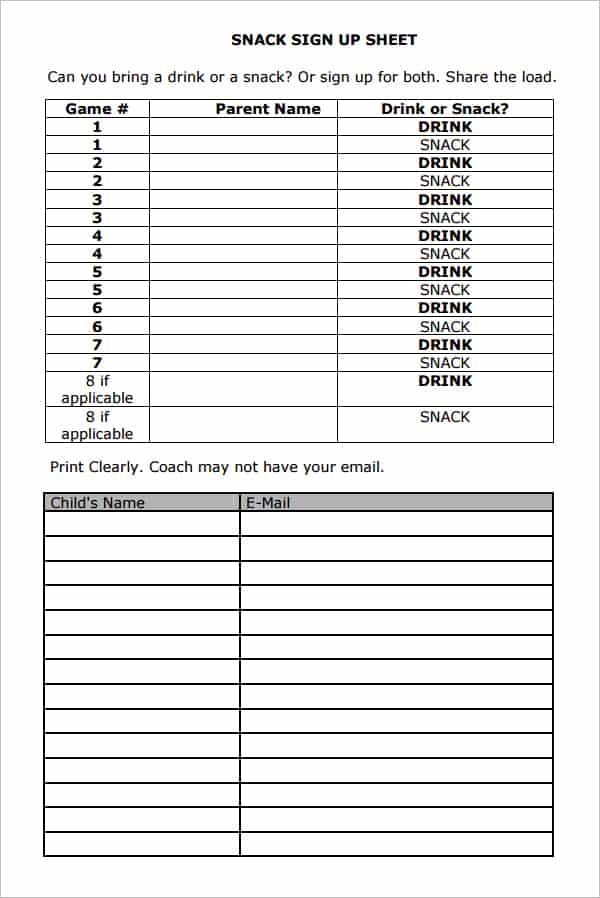
Use a sign-up sheet template for advance registration or task allocation. At the event, compare that list with the sign-in record if you need to identify no-shows or unregistered arrivals. The older collection includes related layouts, so check the purpose shown by each preview before adapting it.
Choose the minimum useful fields
Start with a name and only the additional information needed for the stated purpose. Possible fields include organization, arrival time, departure time, session, or signature. A small, clear set of columns is easier to complete accurately than a crowded page.
Think about whether contact details are actually necessary. Collecting information because a blank column happens to exist in a template creates extra handling without a clear benefit. If follow-up contact is needed, explain that purpose and use an appropriate separate process when the shared attendance sheet is not a suitable place.
Make the page easy to complete
Use readable headings and enough space for handwriting. Label time fields clearly and show the expected format where confusion is likely. Numbering rows can help organizers count entries and refer to a specific record during review.
Print a test page at the actual size. A form that looks spacious on screen may have narrow writing rows on paper. Avoid decorative backgrounds that reduce contrast. For a busy entrance, the sheet should be understandable within a few seconds without requiring the organizer to explain every column.
Organize the check-in point
Place the sheet where arriving participants can see it and have space to write. Provide working pens and a person who can answer questions when the event requires assistance. A clear sign or short instruction can reduce queues and incomplete entries.
For larger gatherings, consider more than one clearly labeled sheet or check-in station. Divide the process in a way participants understand, such as by session or group. Number pages and identify the event on each one so they can be reunited correctly after check-in.
Match the sheet to the type of event
A meeting sign in sheet may need a concise record of attendees and organizations. A volunteer session may need arrival and departure times. A training session may need the course name and a participant identifier used by the organizer.
An attendance register can support recurring sessions when one event sheet is not enough. Keep the format aligned with the organization’s recordkeeping process. Do not assume a signature or time entry has a particular formal meaning unless the responsible organization has defined how the record will be used.
Handle arrival and departure times consistently
If time information is needed, explain whether participants enter it themselves or an organizer records it. Use a consistent convention and identify the session date. Where several sessions are held, make sure a time is connected to the correct session.
Check incomplete or implausible entries during review. A departure time earlier than arrival may be a recording error or may need additional context. Avoid calculating participation duration from uncertain entries without clarification. The attendance sign in sheet should preserve the original observations and make corrections understandable.
Keep personal information from unnecessary exposure
A paper sheet can allow later arrivals to see earlier participants’ details. Consider whether that is appropriate for the information being collected. A simple name-only attendance sheet may be sufficient when more detailed information can be collected another way.
Keep completed sheets in an agreed location and limit access to people who need them for the event or record. Think about photographs, scanned copies, and emailed files as well as the original paper. Follow the organization’s process for retaining and disposing of attendance information rather than keeping every copy indefinitely.
Work through a workshop example
Imagine a workshop with thirty registered participants and two sessions. The organizer prepares separate sign-in sheets with the workshop title, session name, date, name field, and signature field. Each sheet has a page number and a space for the organizer to note issues.
At check-in, one participant uses a different spelling from the registration list. The organizer checks the detail directly and records the confirmed match. Another person attends only the afternoon session, so their attendance remains specific to that session. The records now describe what happened rather than assuming registration equals attendance.
Reconcile attendance after the event
Compare the completed sheet with the expected participant list when that comparison serves the purpose. Identify duplicate entries, unclear names, missing pages, and records that need follow-up. Keep the original sheet available while resolving questions.
An attendance spreadsheet can help organize recurring or summarized records. Transfer information carefully and retain a reference to the source session. If you report a headcount, explain whether it represents unique people, session entries, or another measure. Adding two session totals can count the same person more than once.
Use records to support follow-up appropriately
The sign-in process should explain what information is being collected for. Attendance at an event should not be treated as a blanket instruction to use someone’s details for unrelated communications. Keep event administration and other outreach choices clear.
If the organization issues participation documents, a certificate of attendance template can support the design of the certificate. Confirm eligibility from the checked attendance record and the organizer’s criteria. The appearance of a certificate does not establish that a participant met a requirement; the underlying record and process matter.
Adapt a sheet for volunteers or recurring classes
For recurring activities, include a session identifier and use a consistent naming method so records can be compared over time. Volunteers may need a role or activity field, while a class may need a group or course field. Keep the additions useful and proportionate.
Avoid making one very wide sheet serve every possible event. A short attendance page and a separate detailed record may be easier to use. Review the template after a trial session and ask the person managing check-in which entries caused confusion or slowed the process.
Choose and prepare the template
Compare the previews for row spacing, page orientation, and the purpose of the example. Resource formats vary, and some linked examples relate to sign-up rather than arrival recording. Check the actual file or page before choosing it for your event.
Save a clean original, replace sample names and event details, and test the printed or digital version. Make a plan for collecting all pages after the session. Add a revision or event date where useful, and store one clearly identified final attendance record after the organizer’s review.
Download Sign In Sheet Templates Below
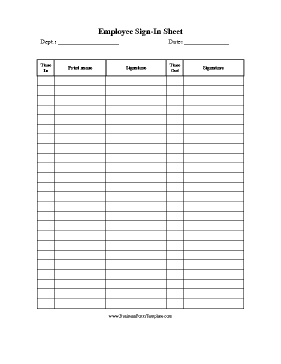
Employee Sign In Sheet

Generic Sign In Sheet

Sign In/Up Sheet Example
Meeting Sign In Sheet

Frequently Asked Questions
What is the difference between sign-in and sign-up?
Sign-up records an intention to join or take a role. Sign-in records arrival or attendance. Compare the two when useful, but do not assume every registered person attended.
What should a basic sign in sheet contain?
Include the event name, date, and participant name. Add session, time, signature, or other fields only when they serve the stated purpose.
Do I need to collect phone numbers?
Only if they are needed for a clear purpose and the collection method is appropriate. A shared attendance page may not be the best place for additional personal details.
Can I use one sheet for several sessions?
You can, but make each attendance entry specific to its session. Separate sheets are often easier when the organizer needs clear session-by-session records.
How do I count attendees accurately?
Review duplicate entries, missing pages, and unclear names. Distinguish unique participants from total session entries so the same person is not counted twice unintentionally.
Can a sign in sheet support attendance certificates?
Yes, when the organizer checks the record against its participation criteria. Use the verified information to prepare certificates and keep the underlying record through the appropriate process.

You must be logged in to post a comment.