
Use warranty card templates to give customers clear product identification and a reliable route to the actual warranty terms and claim process. This page contains layout examples and links to original sources, rather than a hosted editable Word or Excel file.
Layout examples and source links
These are layout previews and links to original sources, rather than hosted editable downloads. Check each source’s current availability, format and terms.
Warranty Certificate Templates Free Of Cost
Sample Warranty Card Template
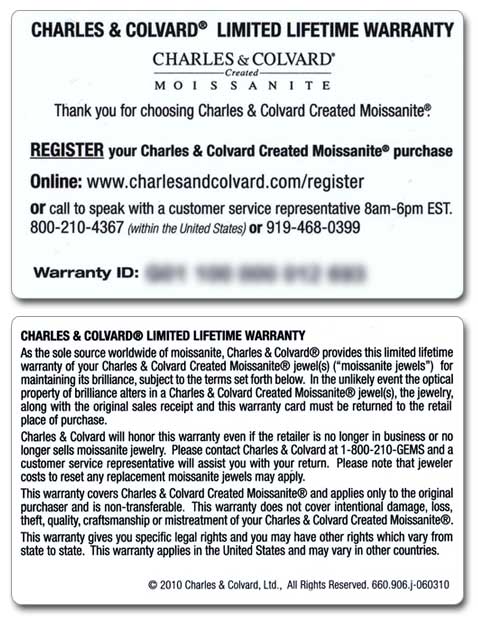 View original source for Sample Warranty Card Template
Warranty Certificate Example
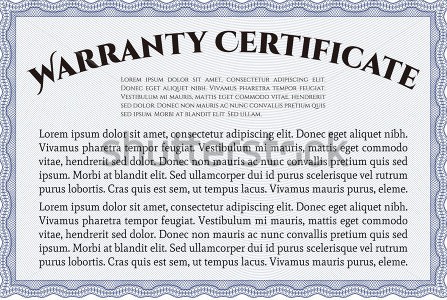 View original source for Warranty Certificate Example
Warranty Card Sample Free
 View original source for Warranty Card Sample Free
Warranty Card Template PDF
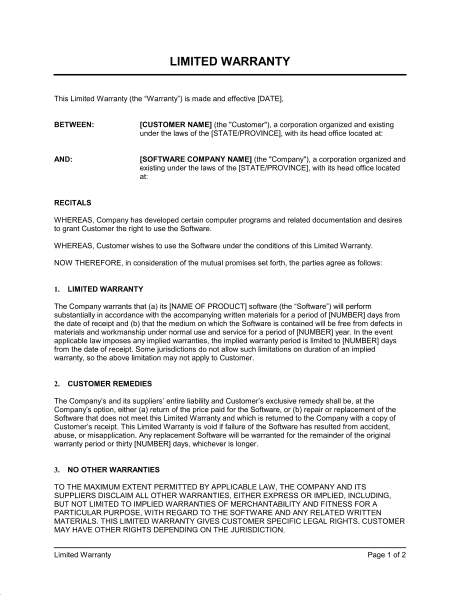 View original source for Warranty Card Template PDF
A warranty card should reflect the warranty genuinely offered. It does not replace the full terms or eliminate rights that apply under law. Avoid invented coverage periods, blanket exclusions, or statements that registration is always required to preserve every right.
Choose a suitable template
Start with the decision or action the form needs to support. Identify who fills it in, who reviews it, and what happens after submission. Remove fields that do not serve that process and add any genuinely necessary details missing from the sample. A form should make a request or transaction clear without pretending that submission alone completes approval, payment, delivery, or a legal requirement.
Important details to prepare
Product
Record model, serial number, and relevant identifying details accurately. A product family name alone may not identify the covered item. Collect the detail from the appropriate person or record and make its purpose clear. Avoid using a field merely because it appeared on another organization’s sample.
Purchase
Provide purchase date and seller information where relevant. Keep evidence requirements consistent with the actual terms and applicable law. Use wording that the requester and reviewer interpret consistently. If a term has a special meaning within the process, explain it near the field rather than relying on informal knowledge.
Warrantor
Name the entity responsible for the warranty and give a functioning claim contact. Do not confuse retailer contact details with manufacturer responsibility. Include the unit, scope, or reference needed to understand the entry. A number or short phrase can be ambiguous when separated from the conversation that produced it.
Coverage reference
Point clearly to the actual warranty terms and describe the applicable coverage without promising more than those terms provide. Distinguish requested information from confirmed information. Dates, quantities, or terms proposed by one party may still need review before another person can act on them.
Claim process
Explain how to report a problem and what information is needed. Keep the process understandable and avoid unsupported barriers. Keep supporting evidence traceable without exposing it unnecessarily. A reference to a controlled attachment can be more appropriate than copying private details into every circulated form.
Registration and privacy
Explain the purpose of any registration and collect proportionate information. Have legal and policy wording reviewed for the relevant market. Record the status through the actual workflow. A completed text box or copied signature image should not bypass the responsible person’s review or the required follow-up action.
How to complete the template
Arrange the fields in the order the user naturally knows the information: identity, requested action or transaction, supporting detail, timing, and decision. Mark genuinely required fields and explain unfamiliar terms briefly. Use suitable choices where they reduce ambiguity, with space for an accurate explanation when a standard choice does not fit. Keep private attachments separate from copies used for general coordination.
Worked example
A manufacturer issues a card naming the exact appliance model and serial number, purchase date, claim contact, and location of the full warranty terms. The card does not invent a lifetime guarantee or say that every legal right disappears without registration. Support staff can use the identifier to locate the applicable terms when a claim arrives.
Check accuracy before use
Complete a realistic example before adopting the form. Ask whether the reviewer can identify the requested action, relevant dates, quantities or amounts, supporting information, and appropriate next step. Look for conflicting selections and missing units. Check that a pending form cannot be mistaken for an approved one. A signature field should have an explained purpose and should not imply broader authority than the actual process provides.
Related resources for the next step
Use service log templates to maintain repair history.
Use merchandise return forms to distinguish returns from warranty claims.
Use product list templates to maintain accurate product identifiers.
Authoritative guidance
The FTC guide discusses U.S. consumer-product warranty obligations. Requirements vary by product and jurisdiction; the card should be consistent with the actual terms and applicable rules. See FTC warranty law guide.
