
Use bookmark templates to create a readable bookmark with practical dimensions, suitable artwork, and a dependable print layout. This page contains layout examples and links to original sources, rather than a hosted editable Word or Excel file.
Layout examples and source links
These are layout previews and links to original sources, rather than hosted editable downloads. Check each source’s current availability, format and terms.
Template previews and source links
Printable Bookmark Template
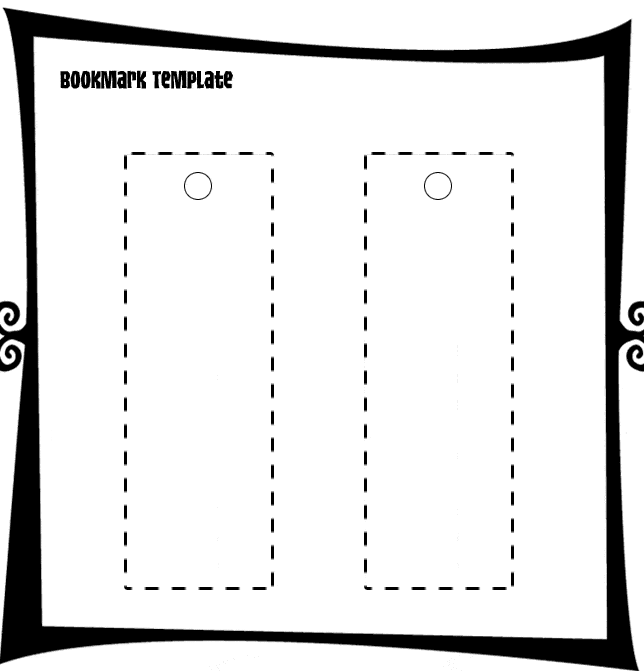
View original source for Printable Bookmark Template
Three Pieces Bookmark Template
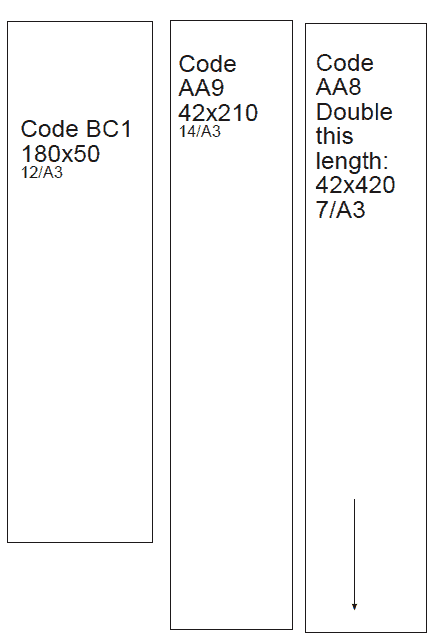
View original source for Three Pieces Bookmark Template
Bookmark Template
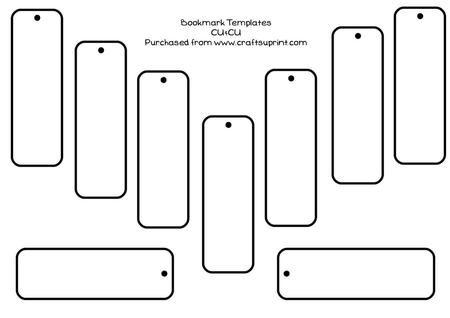
View original source for Bookmark Template
Beautiful Bookmark Template

A bookmark is a small design with limited space. Decide whether its main purpose is a gift, reading aid, school activity, or promotion before choosing text and artwork. Readability, cutting margins, and durability matter more than filling every available area.
Choose a suitable template
Choose a design by its practical use, audience, and final size. Readability and accurate information should lead the layout. A sample’s artwork, logo, or text may not be authorized for your purpose, so check permitted use and replace inappropriate elements. Inspect the actual resource format rather than assuming that a displayed preview is an editable file.
Important details to prepare
Purpose
Choose the intended reader and use. A classroom reading aid may need a different tone and content from a business giveaway. Choose the purpose and audience before refining the appearance. The layout should make the intended use clear rather than rely on decoration to explain it.
Dimensions
Set the finished size and cutting allowance before arranging content. Check the chosen paper and printer’s actual capabilities. Set the relevant dimensions or identity details accurately. Errors at this stage can affect every printed copy and are easier to fix before production.
Text
Use a short message, name, or reading prompt. Proofread carefully because a small printed object leaves little room for explanation. Keep the essential text readable at the finished size. A design that looks balanced on a large screen may become difficult to use in print.
Artwork
Use images and fonts with appropriate permission. Keep important details away from trim edges and avoid low-resolution artwork. Use authorized artwork and inspect its quality. Stretched or low-resolution images can reduce clarity even when the underlying design is attractive.
Print layout
Arrange multiple bookmarks per sheet with adequate spacing. Test at actual size rather than judging only an enlarged screen preview. Check the practical production details, including margins, references, and any date or validity information. A small proof can prevent a costly batch of incorrect copies.
Finishing
Choose suitable paper and any optional lamination or ribbon. Review whether the finished piece is comfortable and safe for its intended users. Retain the approved version and follow the actual issue or finishing process. A template provides a layout, while the organization or maker remains responsible for how it is used.
How to complete the template
Set the page or finished dimensions before arranging text and images. Establish a clear visual hierarchy with the essential information easiest to find. Use adequate spacing and avoid shrinking important text to fit an overcrowded design. Keep a separate working copy and use authorized images or branding. If the design carries identification or access information, follow the organization’s real issue process.
Worked example
A school library designs a bookmark with a short reading prompt and space for a student’s name. A test print shows that the bottom line is too close to the cut edge, so it is moved inward. The final sheet uses readable type and consistent spacing between bookmarks, reducing cutting errors during the class activity.
Check accuracy before use
Review the finished piece at actual size. Check names, references, dates, contrast, image quality, and cutting or print margins. A screen preview at high magnification can hide tiny type or awkward line breaks. Produce a single proof before printing a batch, and inspect the exported copy as well as the editable source.
Related resources for the next step
Use class schedule templates to coordinate a classroom reading activity.
Use homework planner templates to support a wider study routine.
Use gradebook templates to keep academic records separate from the decorative design.
