
Use fitness calendar templates to organize a balanced activity routine with visible recovery, realistic timing, and a record of what actually happened.
Editable downloads and previews
Use the file links where provided. Links labeled “View original source” open another website; check its current format, availability and terms. A preview image alone is not an editable document.
Template previews and source links
Fitness Calendar Sample
 View original source for Fitness Calendar Sample
Fitness Calendar For Healthy Living
 View original source for Fitness Calendar For Healthy Living
Blank Weekly Fitness Calendar
 Download Blank Weekly Fitness Calendar (XLS)
Fitness & Workout Calendar Example
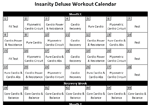
5 Days Fitness Calendar Template
 View original source for 5 Days Fitness Calendar Template
A fitness calendar is a planning and reflection tool, not a personalized medical or exercise prescription. Choose activities appropriate to your ability and circumstances. Leave room for recovery and changes, and seek appropriate professional guidance when health conditions, injuries, or symptoms affect participation.
Choose a suitable template
Choose a layout that supports a realistic routine rather than a promise of a particular body size, fitness level, or medical outcome. Decide whether you need a calendar, detailed log, or optional measurement record. Keep the amount of tracking manageable and voluntary. A template’s sample routine or target is not a personalized recommendation.
Important details to prepare
Calendar period
Choose a week or month view that fits your routine. Include work, family, and travel commitments that affect available time. Choose the purpose deliberately and keep it proportionate. A clear reason for tracking helps avoid collecting more personal information than you actually find useful.
Activity mix
Record the intended activity and purpose in plain language. Avoid filling every day with demanding sessions simply to make the calendar look complete. Use an understandable label and a realistic time window. The record should support preparation without turning every free moment into an obligation to exercise.
Duration and effort
Use a realistic planned duration and a consistent effort description. Record actual activity separately when the session differs from the plan. Keep planned and actual values distinguishable. A changed session can provide useful information about scheduling without being treated as a moral failure.
Recovery
Make recovery days and easier alternatives visible. A missed session does not automatically need to be added to the next day’s workload. Include flexibility and recovery where appropriate. Filling every blank space is not evidence that a routine is suitable for the individual.
Practical arrangements
Note equipment, location, class booking, or a walking partner where useful. Check arrangements before relying on a scheduled session. Describe relevant context without trying to diagnose it. Changes in routine or measurements can have several explanations and may need professional interpretation.
Reflection
Record a brief note about completion and how the routine felt. Use the pattern to adjust the calendar rather than treating one missed day as failure. Use the review to choose one practical adjustment. If the tracking itself causes distress or encourages harmful behavior, consider a different approach with suitable support.
How to complete the template
Plan around actual availability, current ability, recovery, and any relevant professional guidance. Use clear activity labels and record completed activity separately from intentions. Keep measurements optional and interpret patterns cautiously. Allow the record to accommodate illness, travel, changing commitments, and easier alternatives without encouraging punishment or excessive compensatory activity.
Worked example
A person with a busy work schedule places two short walks, a suitable class, and recovery time into the next week’s calendar. A late meeting replaces one walk with a shorter alternative rather than doubling the following day’s activity. The review notes which times were practical and adjusts the next week accordingly.
Check accuracy before use
Review whether the plan is practical and whether the record accurately reflects what happened. Do not infer health, discipline, or success from one missed session or measurement. Check that comparison periods and units are consistent where numerical tracking is used. Persistent pain, injury, concerning symptoms, or distress about tracking call for appropriate support rather than a more aggressive spreadsheet target.
Related resources for the next step
Use workout log templates to record actual sessions in more detail.
Use weight tracking spreadsheets to keep any chosen outcome tracking separate from daily scheduling.
Use work schedule templates to identify realistic activity windows.
Authoritative guidance
CDC guidance discusses starting physical activity and building a workable routine. Adapt scheduling to personal circumstances and seek suitable guidance where needed. See CDC getting started with physical activity.
