
A proposal form works when it elicits a clear objective, proposed solution, expected benefits, budget, timeline, responsible people and approval decision. Too many generic fields can discourage useful submissions.
Make a proposal form collect the information reviewers need
- Saves design time: A ready-made layout means you can focus on your proposal content instead of designing a form from scratch.
- Presents a professional image: A clean, well-organized proposal reflects positively on the submitter and builds credibility with reviewers.
- Ensures completeness: A structured template helps make sure no critical information is left out of the proposal.
- Speeds up the review process: Clear, organized proposals are easier and faster for reviewers to evaluate.
- Works for various purposes: Templates are available for insurance, business, academic, and community project proposals alike.
- Free and reusable: Download once and reuse the same template structure for every future proposal.
Worked example: For an equipment request, ask the proposer to identify the current problem, replacement cost, maintenance impact and expected savings. Reviewers can then compare projects using consistent information.
Check before use: Avoid combining required approvals with informal feedback; label each signature and decision field. Explain how completed forms should be submitted and whether supporting documents are required.
For related resources, see 3 Job Proposal Templates and 12 Sample Software Project Proposal Templates [PDF & WORD].
What’s Included in the Proposal Form Template
- Applicant or submitter information: Space to list the name and contact details of the person or organization submitting the proposal.
- Project or request description: A section describing the specific project, service, or coverage being proposed or requested.
- Timeline and scope: Space to outline the expected timeframe and scope of the project or request.
- Budget or cost details: A section for outlining costs, fees, or premium information where applicable.
- Supporting documentation: Space to reference or attach any supporting materials needed for the proposal.
- Signature section: A line for the submitter’s signature and date to formalize the proposal.
Who Should Use These Templates?
- Business owners submitting proposals for projects, partnerships, or services to clients.
- Insurance applicants completing proposal forms for commercial, contractor, or vehicle insurance coverage.
- Students and educators submitting academic or science project proposals for approval.
- Event organizers proposing sponsorships, conference presentations, or school events.
- Nonprofit and community groups submitting proposals for volunteer or community service projects.
- Contractors submitting bid proposals for services or projects.
How to Start Using the Template in 3 Simple Steps
- Step 1 — Choose a template style: Browse the 24 options below and select the design that best fits your purpose.
- Step 2 — Fill in your details: Enter your project, business, or applicant information into the form.
- Step 3 — Review and submit: Double-check all details before submitting the completed proposal to the reviewing party.
Proposal Form vs. Full Business Proposal
While both documents help pitch an idea or request, a proposal form and a full business proposal serve different purposes depending on the complexity of what’s being proposed. A proposal form is typically a structured, fill-in document used for standardized requests, such as insurance applications or event sponsorship requests, where the reviewer expects consistent, organized information. A full business proposal, by contrast, is usually a more detailed, narrative document that makes a persuasive case for a larger project or partnership, often including extensive research and customized content. Choosing the right format depends on whether the reviewing party expects a standardized form or a more detailed, persuasive document.
Customizing the Template for Your Purpose
These templates are designed to be a flexible starting point rather than a fixed format. You can add your company or organization’s logo for a more official appearance, adjust the sections to match your specific proposal requirements, or add extra fields for information relevant to your industry. Since the templates are provided in editable formats, most adjustments take only a few minutes and let you tailor the proposal form to fit your specific project or application.
Choosing the Right Format
With 24 different templates available, choosing the right one depends on the purpose and industry of your proposal. An insurance-related template works best for coverage applications, while a project or event template is better suited for business, academic, or community submissions. Reviewing what each template includes before downloading can help you find one that requires minimal restructuring for your specific proposal.
Common Mistakes to Avoid
- Missing required information: Always double-check that every required field is filled in before submitting.
- Vague project descriptions: Clearly describe the specific project, service, or request being proposed.
- Inconsistent formatting: Keep font styles and sizes consistent throughout the proposal form.
- Skipping supporting documentation: Always attach or reference any required supporting materials.
- Forgetting to sign and date: Always include a signature and date to formalize the proposal.
Tips to Get the Most Out of Your Proposal Form Template
- Read the requirements carefully before filling out the form to ensure you meet all submission criteria.
- Keep a copy for your records after submitting the completed proposal form.
- Be specific and concise when describing your project or request to make the proposal easy to evaluate.
- Proofread before submitting to catch any errors or missing information.
- Follow up appropriately after submission if you haven’t heard back within the expected timeframe.
Using Proposal Forms for Insurance Applications
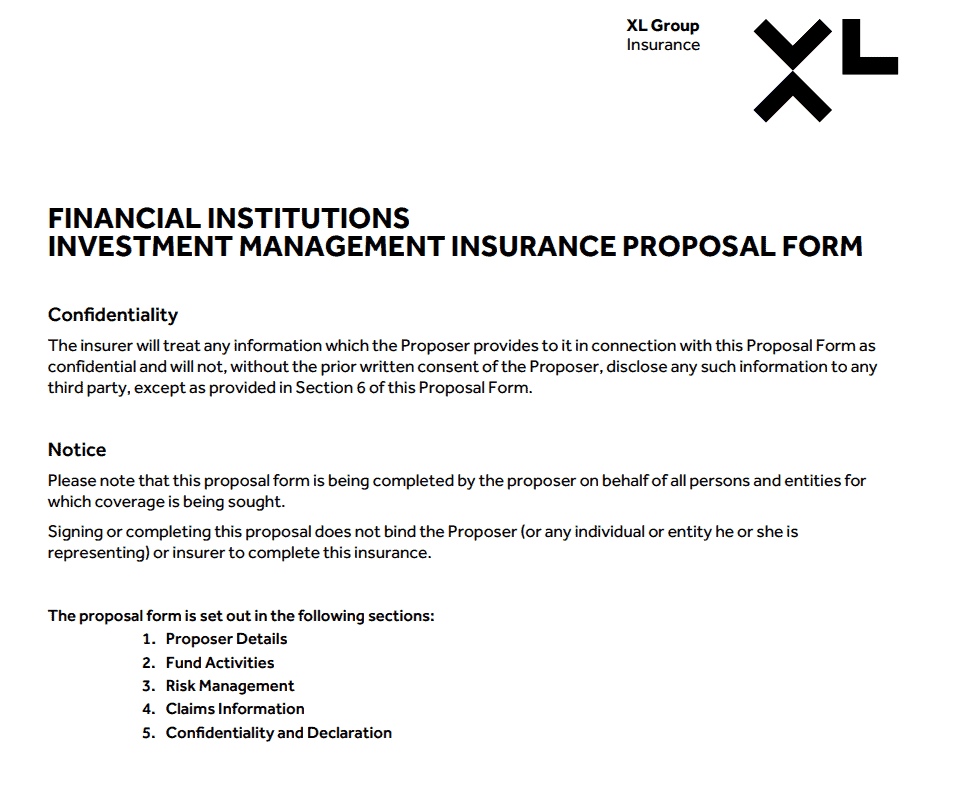
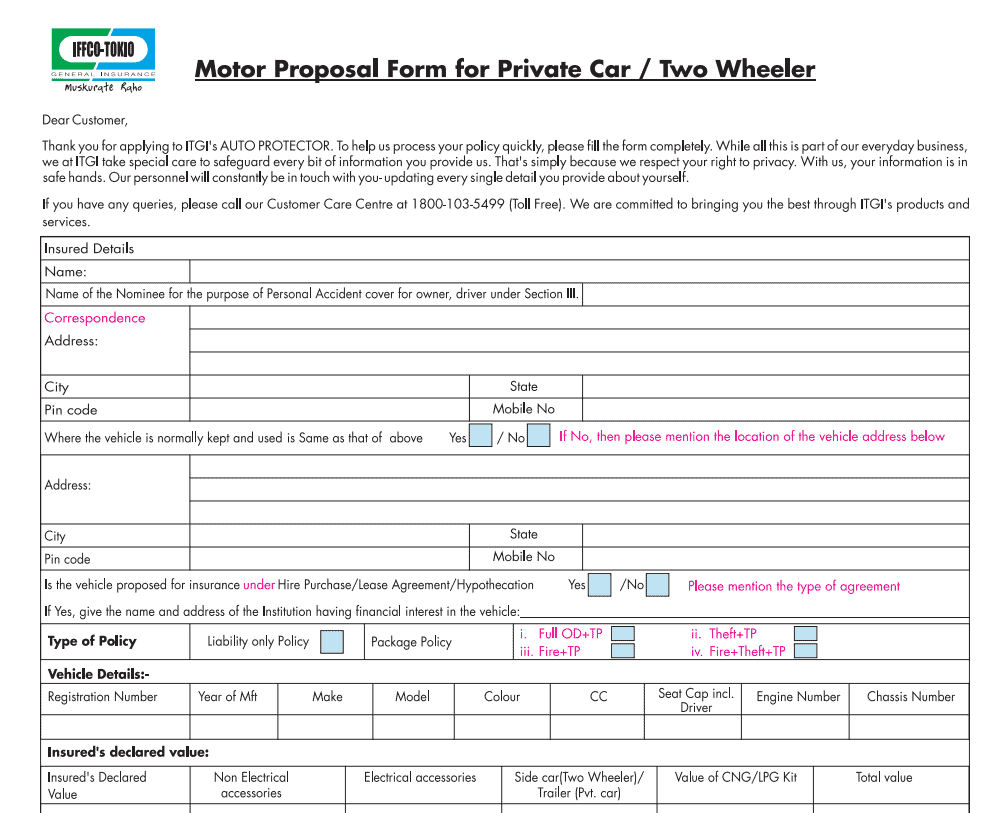
Insurance proposal forms play a particularly important role in the underwriting process, since insurers rely on the information provided to assess risk and determine coverage terms and premiums. Providing accurate, complete information on an insurance proposal form is essential, since omissions or inaccuracies can affect coverage or lead to complications during a claim. Many insurance proposal templates, such as those for commercial, contractor, or vehicle coverage, include specific fields tailored to the type of risk being insured, making it important to choose the template that matches your specific coverage needs.
Using Proposal Forms for Academic and Science Projects
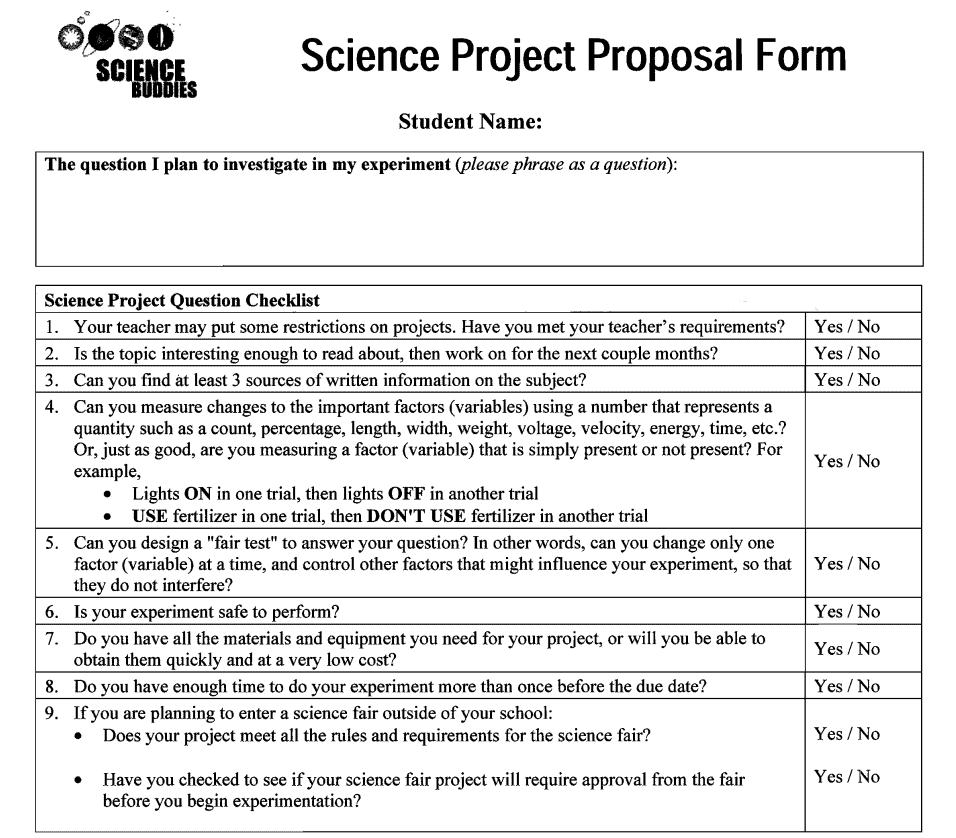
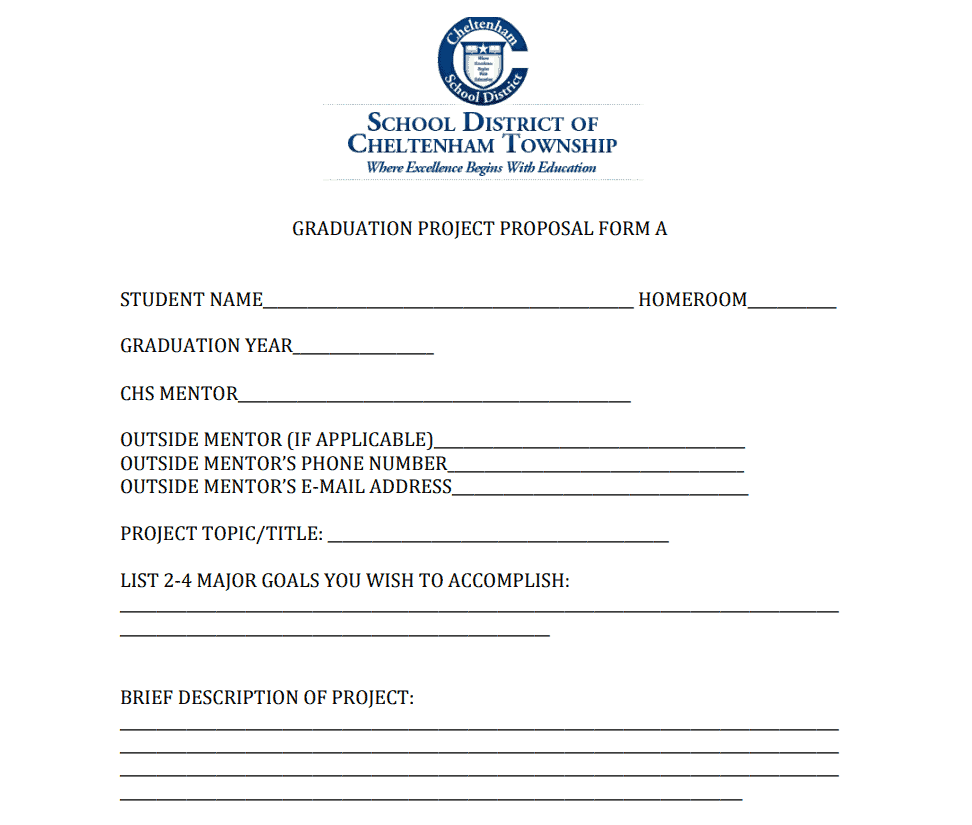
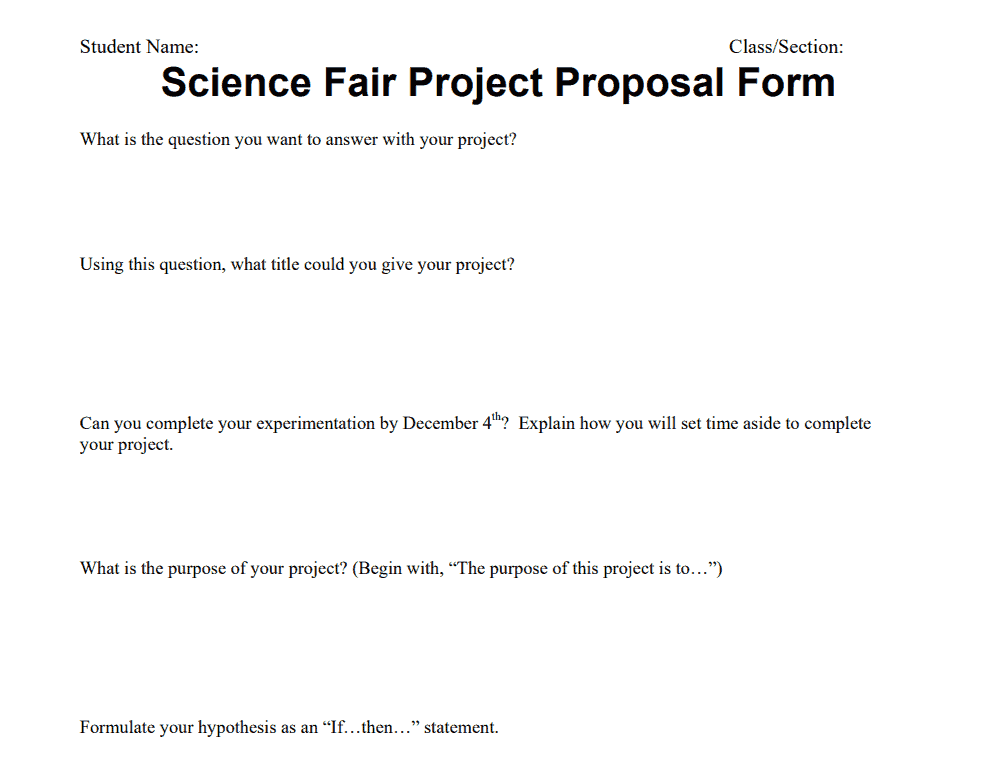
Students submitting academic or science fair project proposals benefit from a structured template that clearly outlines the research question, methodology, and expected outcomes of their project. A well-organized proposal helps instructors or judges quickly understand the scope and feasibility of a project before it begins, and can also help students clarify their own thinking about what they plan to accomplish. Including a realistic timeline and any materials or resources needed is especially important for science fair proposals, since these details often factor into approval decisions.
Using Proposal Forms for Business Bids and Contracts
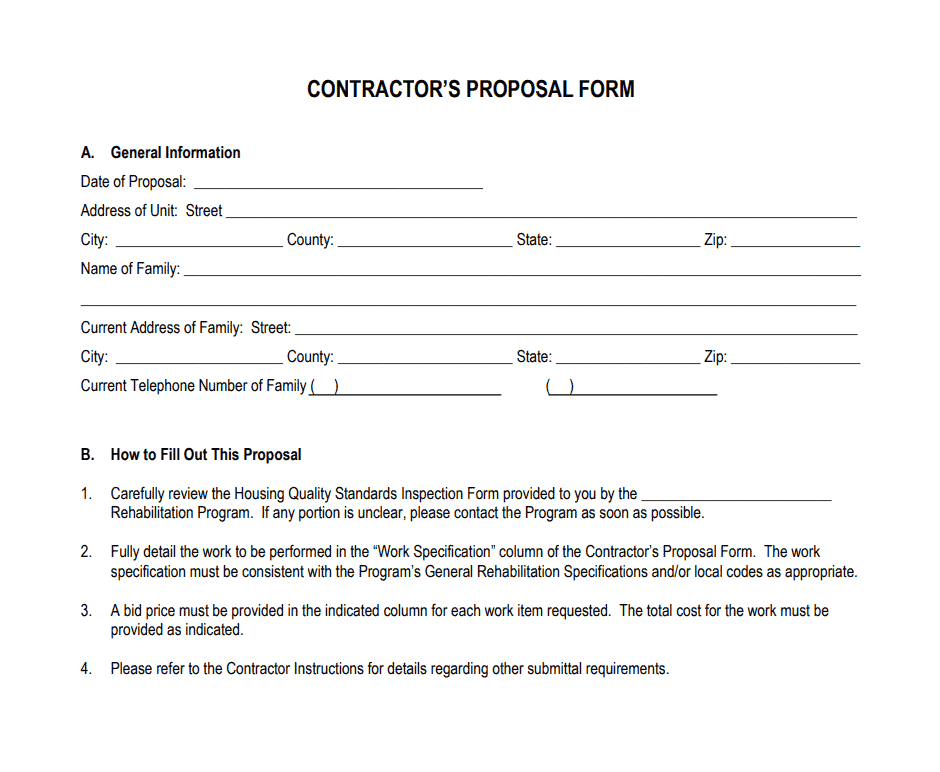
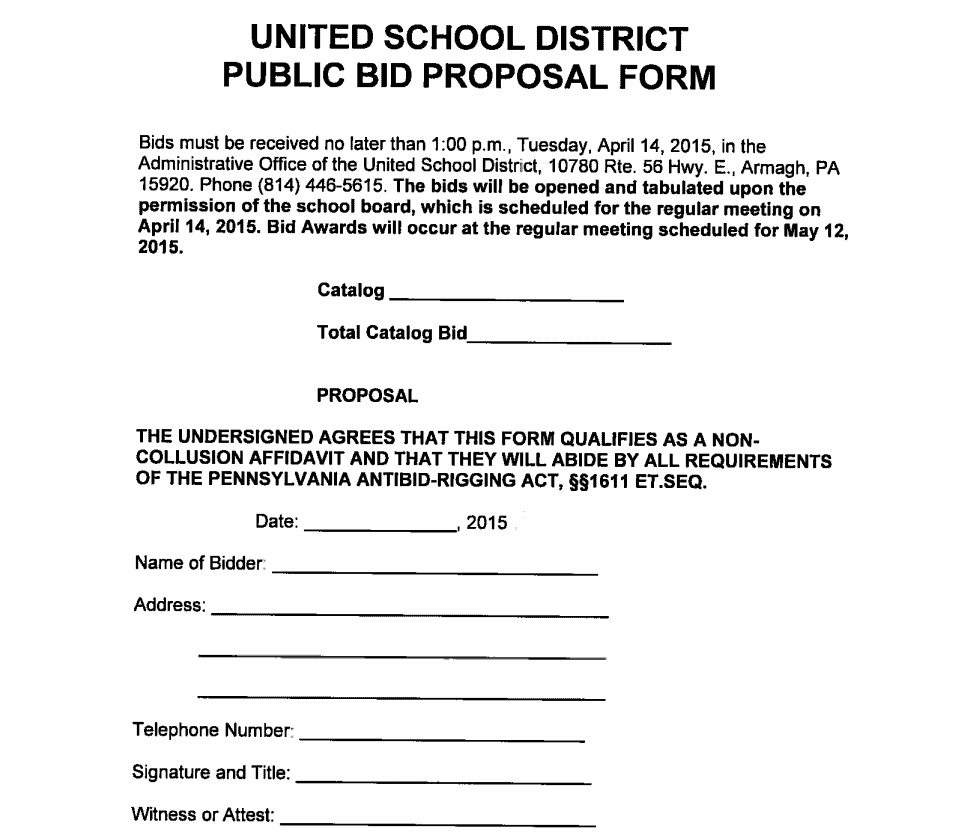
Contractors and service providers submitting bid proposals need to clearly communicate scope, pricing, and timeline to compete effectively for a project, making a well-organized proposal form essential to winning business. Reviewers often compare multiple bids side by side, so a clear, professional proposal that’s easy to scan can make a meaningful difference in how favorably it’s received. Including references or past project examples, where the template allows, can also help build confidence with a potential client who is evaluating multiple contractors for the same job.
Submitting and Tracking Your Proposal
Once your proposal form is complete, deciding how to submit and track it can make a real difference in ensuring it reaches the right person and gets a timely response. Many organizations now accept proposals digitally via email or online portals, which also makes it easier to keep a timestamped record of when the proposal was submitted. Keeping a simple log of submitted proposals, including submission dates and expected response timeframes, helps you follow up appropriately without submitting duplicate requests or missing important deadlines.
Using Proposal Forms for Event and Sponsorship Requests
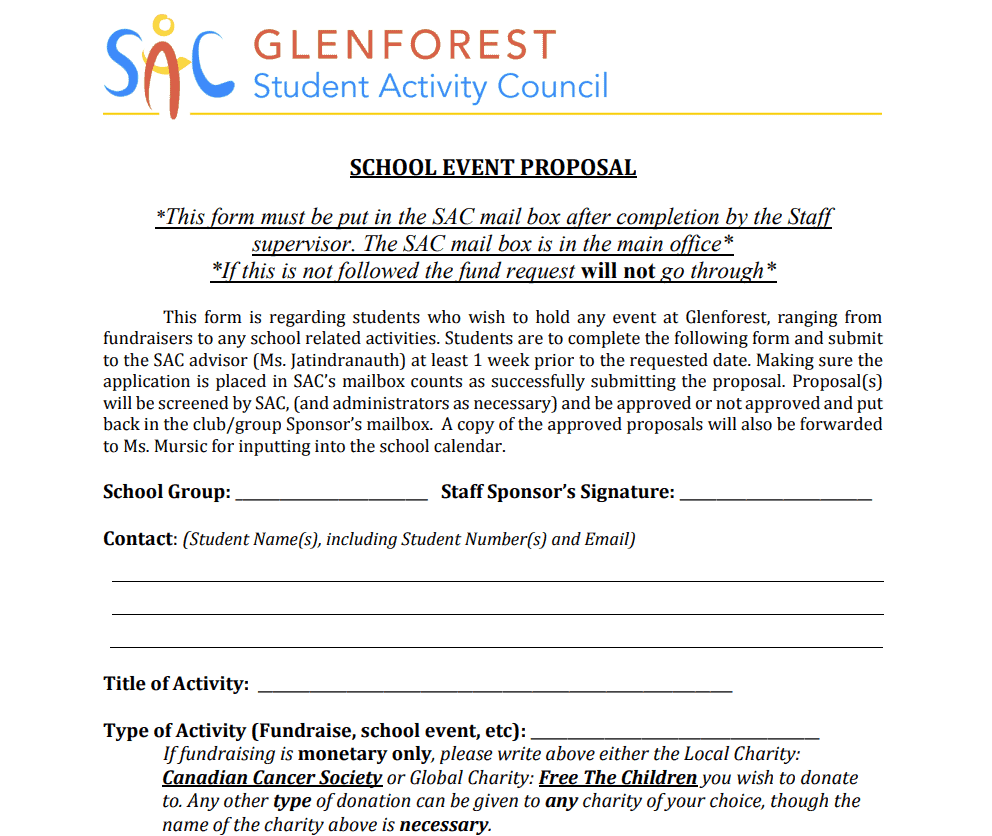
Event organizers seeking sponsorships or venue approvals often need to submit a proposal form that clearly outlines the event’s purpose, expected attendance, and what the sponsoring organization would receive in return, such as branding or promotional opportunities. A well-organized sponsorship proposal makes it easier for a potential sponsor to quickly evaluate whether the event aligns with their marketing goals and budget. For school or community events specifically, including details on the target audience and any past event success can help strengthen the case for approval or funding.
Keeping Records of Approved and Rejected Proposals
Whether a proposal is approved or declined, keeping a record of the outcome and any feedback received can be valuable for future submissions, especially for individuals or organizations that submit proposals regularly. Reviewing why a previous proposal was rejected, when that information is available, often reveals patterns that can be addressed in future submissions, such as insufficient detail in the budget section or an unrealistic timeline. Organizing past proposals by outcome also makes it easier to reuse successful language and formatting in future submissions rather than starting from scratch each time, and it builds an internal reference library that new team members can draw on when preparing their own proposals down the road.
Working With Financial and Cost-Based Proposal Forms
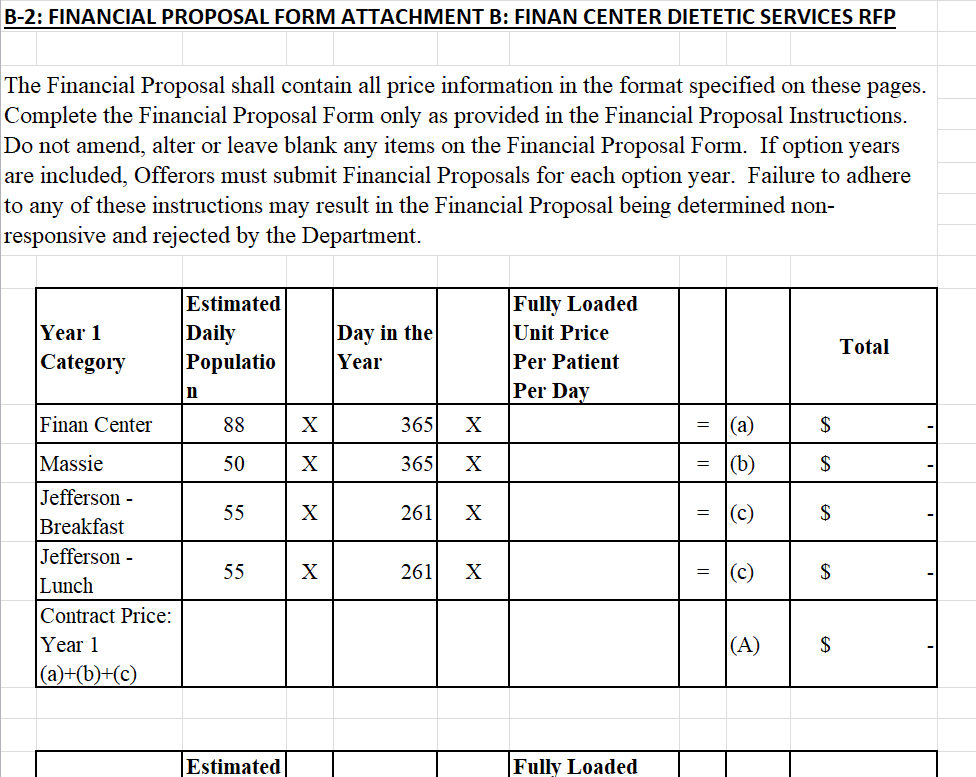
Proposals that involve a financial component, such as an EXCEL-based financial proposal template, require extra attention to accuracy since reviewers will often scrutinize the numbers closely before approving funding or a contract. Breaking costs down into clear categories, such as materials, labor, and overhead, rather than presenting a single lump sum, helps reviewers understand exactly what they’re being asked to approve and builds trust in the proposal. Double-checking all calculations before submission is essential, since a simple math error in a cost proposal can undermine the credibility of the entire document, even when the underlying project idea is sound.
Get Proposal Form Templates Here
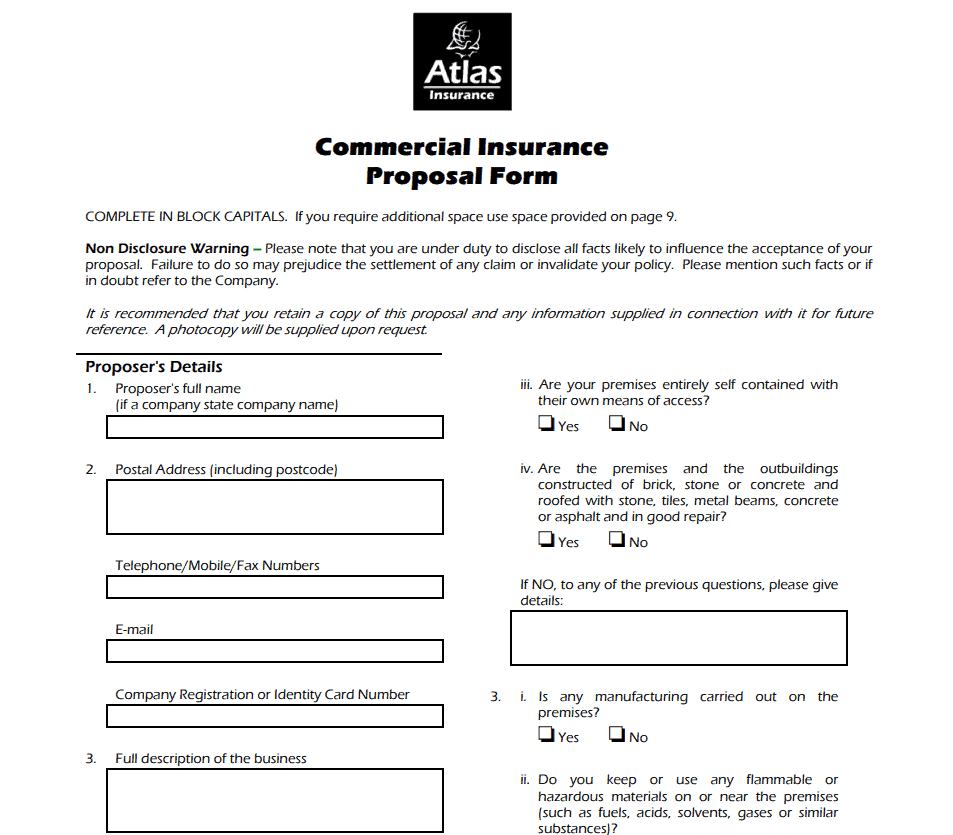
Commercial Insurance Proposal Form Template
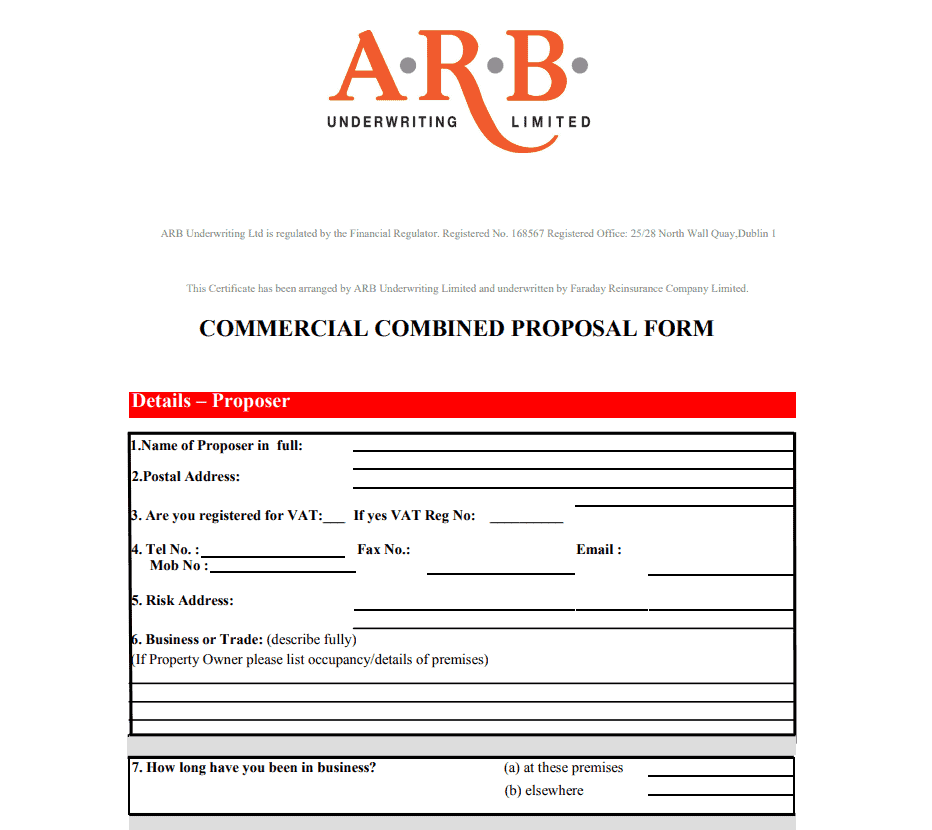
Commercial Combined Proposal Form Template
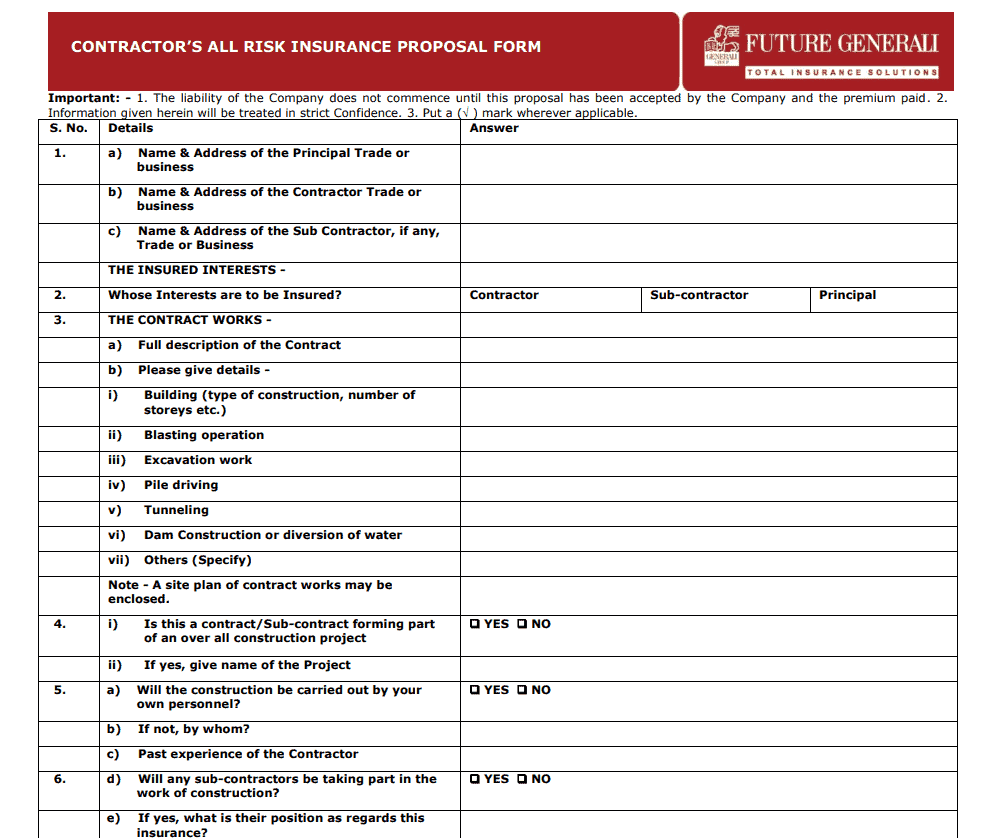
Contractor’s Insurance Proposal Form Template
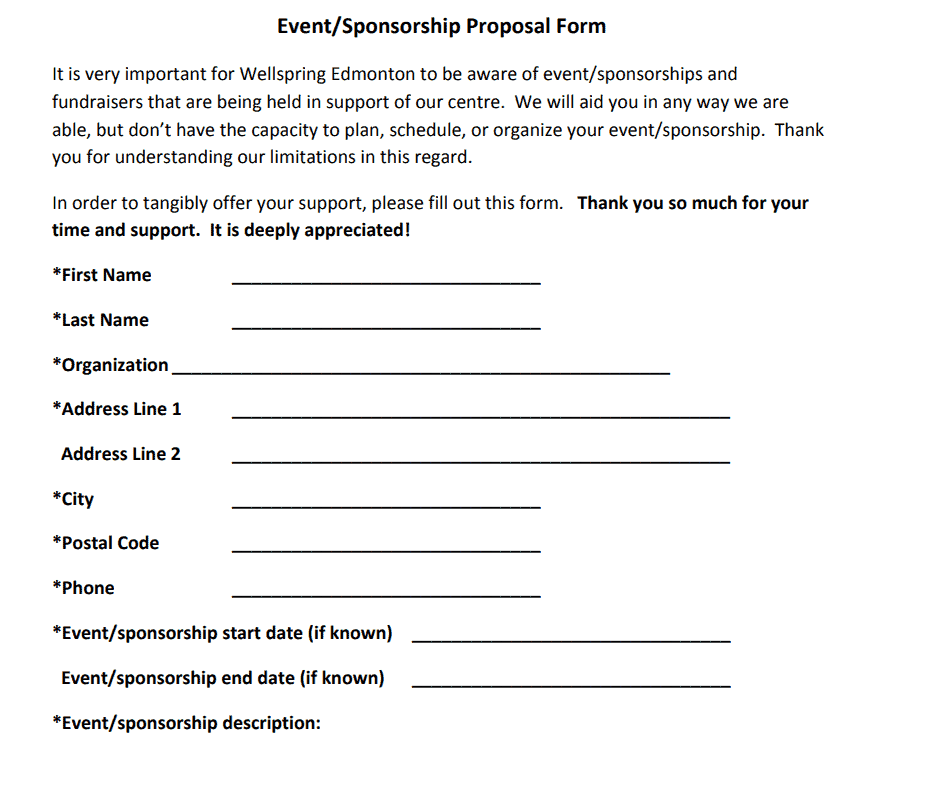
Event/Sponsorship Proposal Form Template
Conference Presentation Proposal Form Template
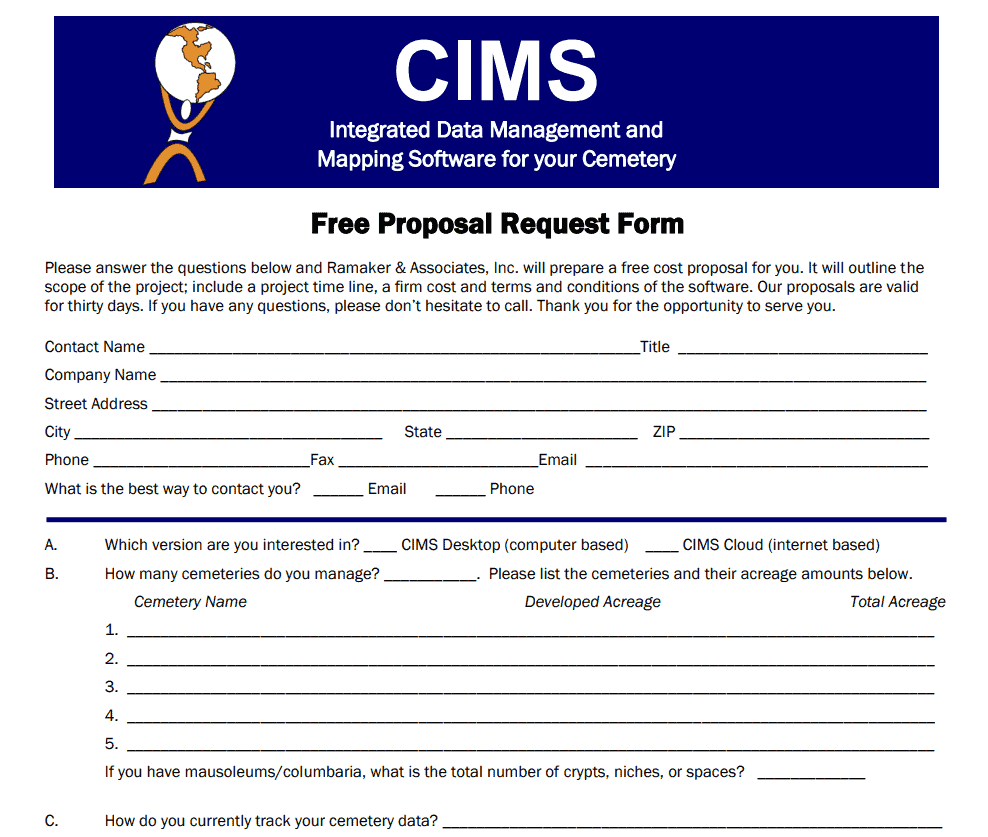
FREE Proposal Form Template
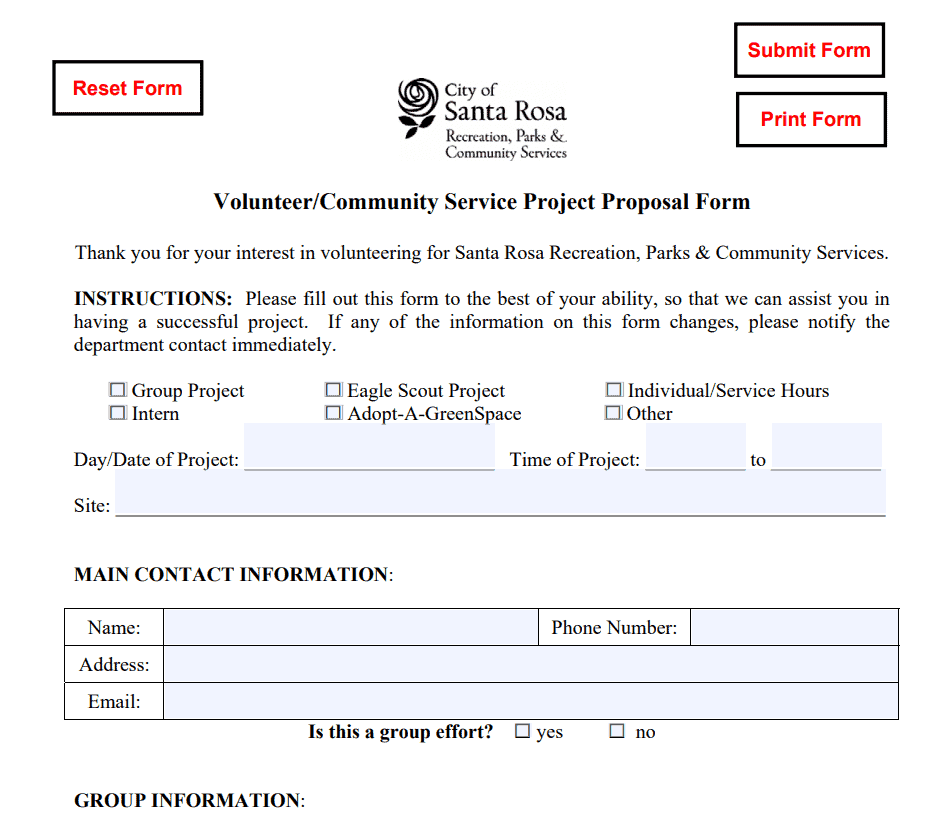
Volunteer/Community Service Project Proposal Form Template
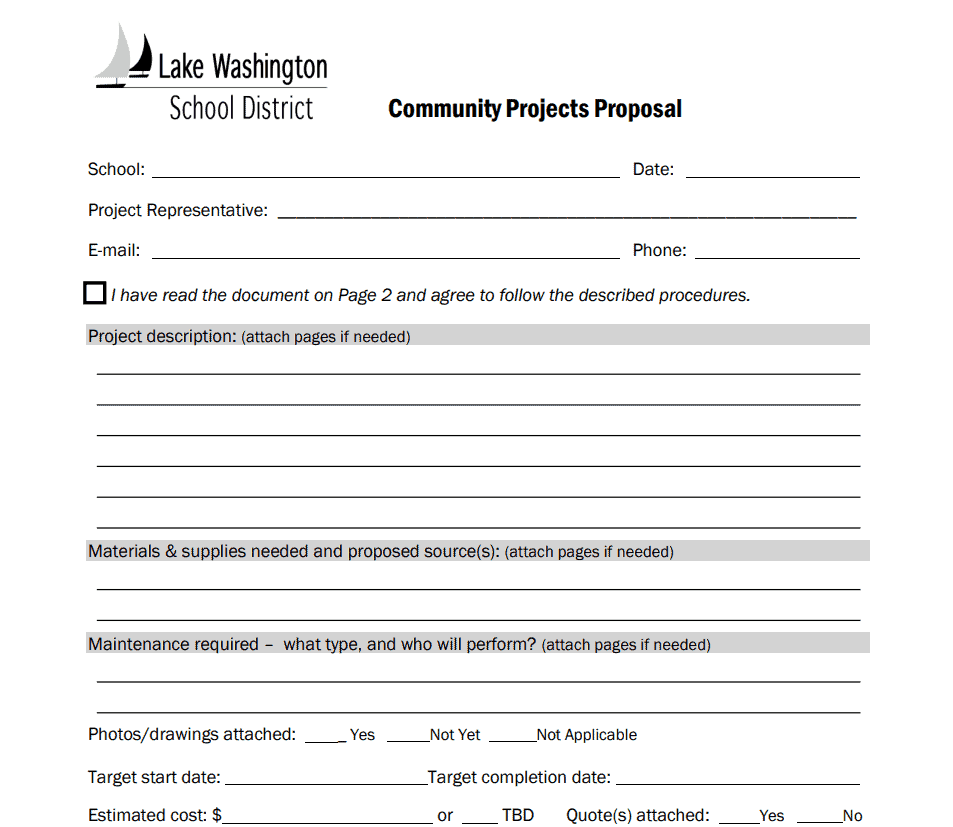
Sample Community Projects Proposal Form Template
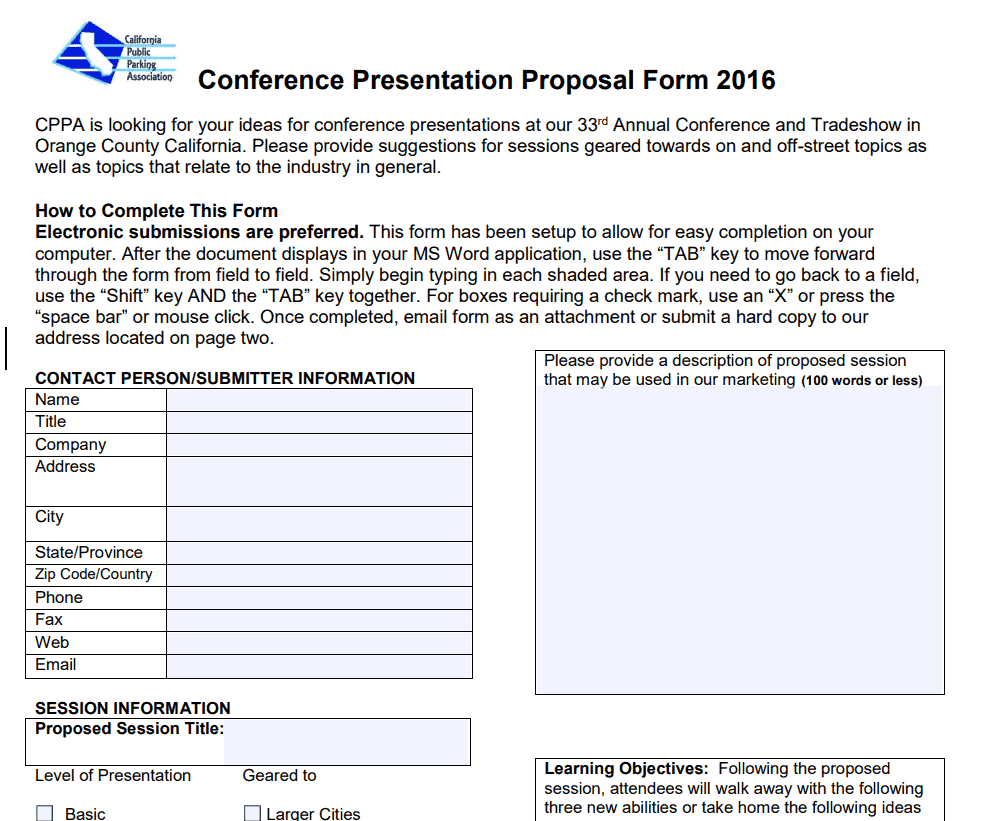
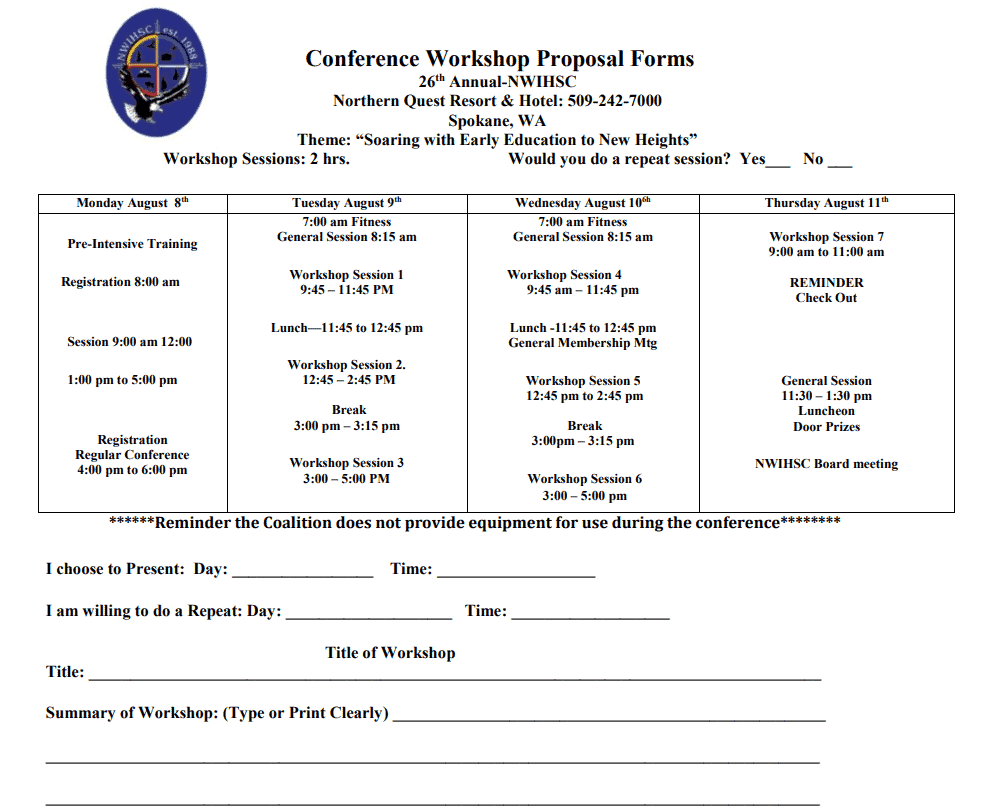
Conference Workshop Proposal Form Template
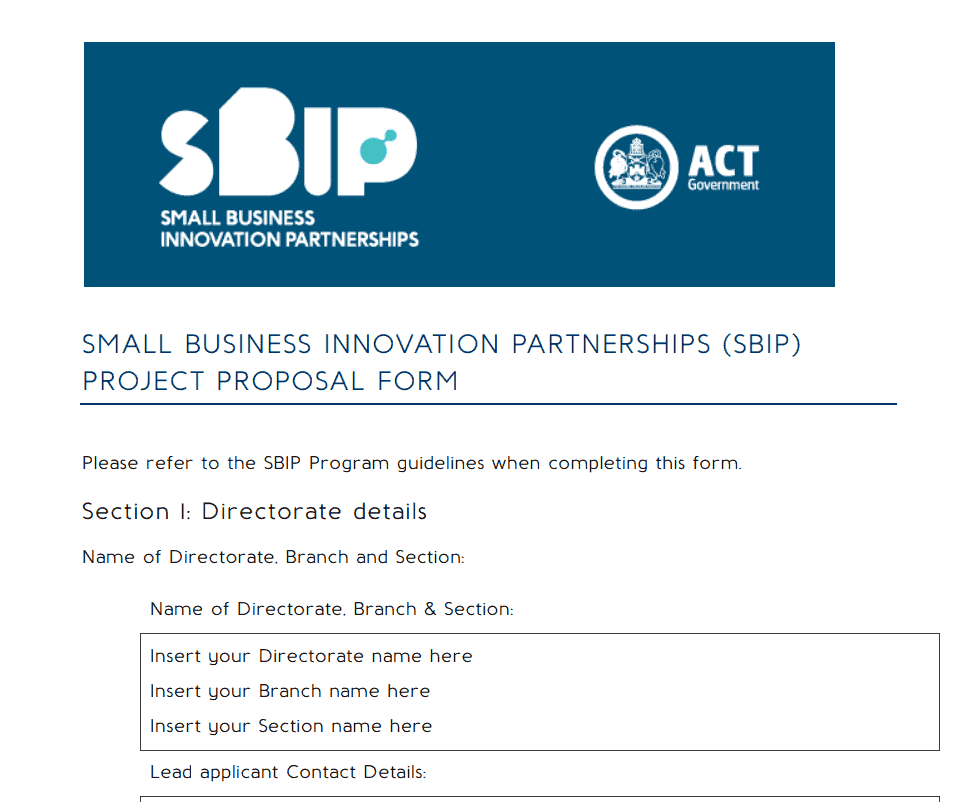
Small Business Project Proposal Form Template
Office Cleaning Services Bid Proposal Form Template WORD
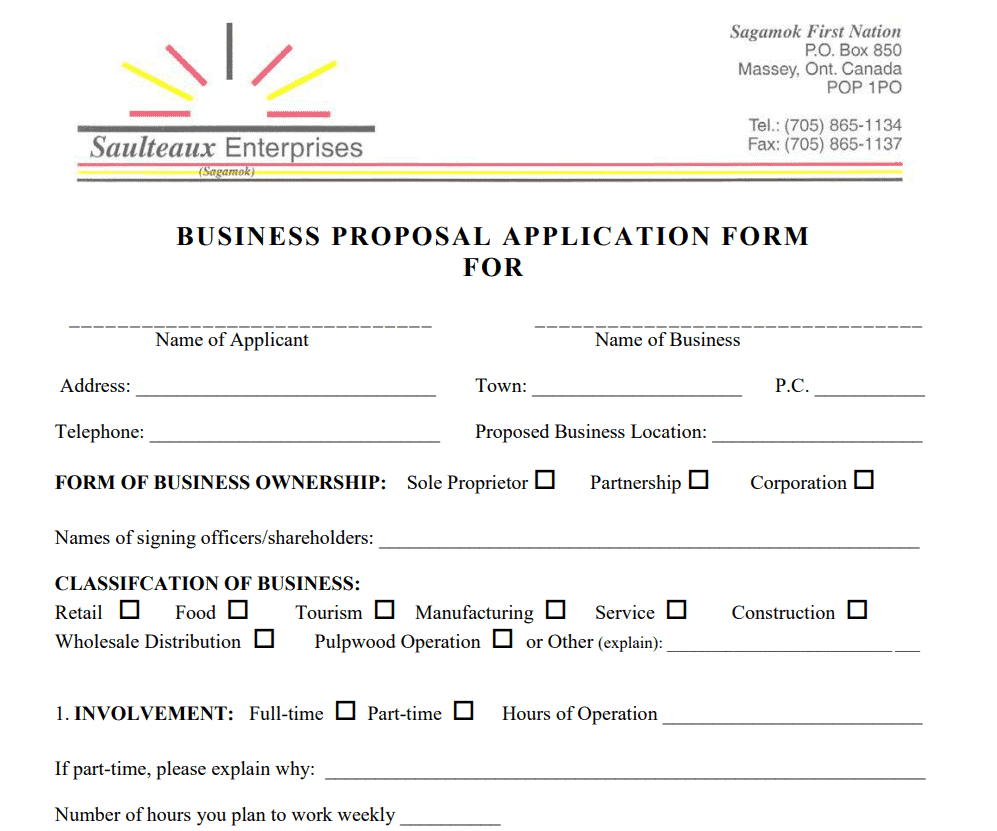
Business Proposal Application Form Template
Science Project Proposal Form Template
Investment Management Insurance Proposal Form Template
Contractor’s Blank Proposal Form Template
Public Bid Proposal Form Template
Two Wheeler/Private Motor Car Proposal Form Template
Business Co-operation Proposal Form Template

Product Liability Insurance Proposal Form Template

Graduation Project Proposal Form Template
Science Fair Project Proposal Form Template
School Event Proposal Form Template
Financial Proposal Form Template EXCEL
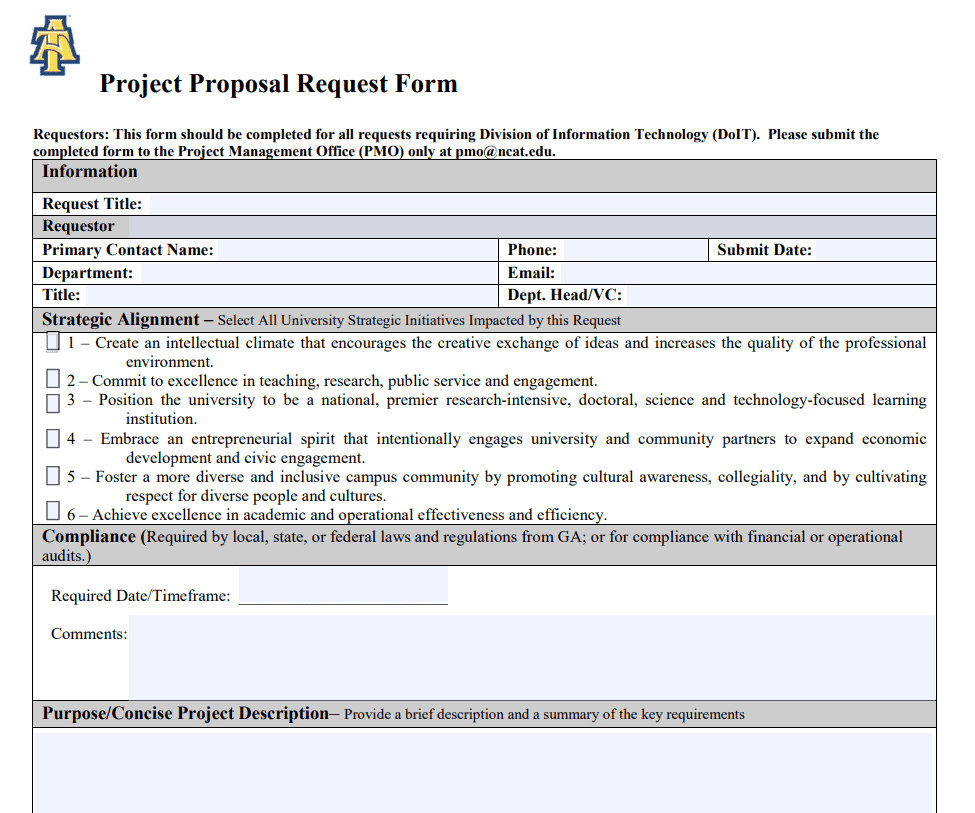
Detailed Proejct Proposal Request Form Template
Frequently Asked Questions
Are these proposal form templates free to download?
Yes, all 24 proposal form templates on this page are free to download and use.
Which file formats are these templates available in?
The templates are available in printable PDF and editable Word or Excel formats depending on the template.
Can I use these templates for insurance applications?
Yes, several templates are specifically designed for commercial, contractor, and vehicle insurance proposals.
Are these templates suitable for academic project proposals?
Yes, several templates are designed for science fair and academic project proposals.
Can I use these templates for business bid proposals?
Yes, several templates are suited for business, contractor, and service bid proposals.
Can I customize the templates for my specific project?
Yes, since the templates are fully editable, you can adjust sections and fields to fit your specific needs.
Are these templates suitable for event sponsorship requests?
Yes, one of the templates is specifically designed for event and sponsorship proposals.

You must be logged in to post a comment.