
A party planning template brings the many small decisions behind an event into one working plan. It can help you organize guests, food, supplies, activities, costs, and the order of the day. The previews below show several planning layouts that you can adapt to a birthday, family gathering, workplace celebration, or another occasion.
The aim is to make responsibilities and deadlines visible. A plan becomes useful when it reflects the size of the party, the space available, and what the host can realistically arrange. This guide explains how to build that plan without filling every hour with unnecessary tasks.
Define the kind of party you are hosting
Write a short event brief before buying decorations or booking services. Include the occasion, approximate date, expected guest count, location, and atmosphere you want. A relaxed meal at home needs a different plan from a large evening celebration.
Identify the decisions that are already fixed and the ones that are still open. If the venue sets the date or capacity, resolve that constraint first. Agree who has the final say when several people are helping. A clear brief prevents well-intentioned helpers from organizing conflicting versions of the same event.
Set a spending limit and cost categories
Decide how much you can comfortably spend and divide it into practical categories. These may include venue, food, drinks, decorations, invitations, equipment, entertainment, transport, and cleanup. Include delivery charges and other known extras in the estimate.
An event budget template can support the financial side when the planning sheet has little room for cost tracking. Record estimated, committed, and paid amounts separately so a promised purchase is not forgotten. Keep an allowance for changes, but assign it a purpose rather than treating it as money that must be spent.
Build the guest list before final quantities
Create a list with names, invitation status, response, and the information needed for planning. Household or group counts can help when one invitation covers several people. Set a response date early enough to confirm food and seating.
Use confirmed attendance to refine quantities, while keeping a separate estimate for people who have not replied. Avoid assuming that every invitation means a definite guest. For a family event, consider children, accompanying adults, and accessibility needs when the host has been told about them. Collect only information that helps you organize the gathering.
Choose a venue that supports the plan
Check capacity, layout, access, seating, toilets, power, parking or transport options, and the space needed for food and activities. A room that fits the guest count when empty may feel crowded after tables, equipment, and a serving area are added.
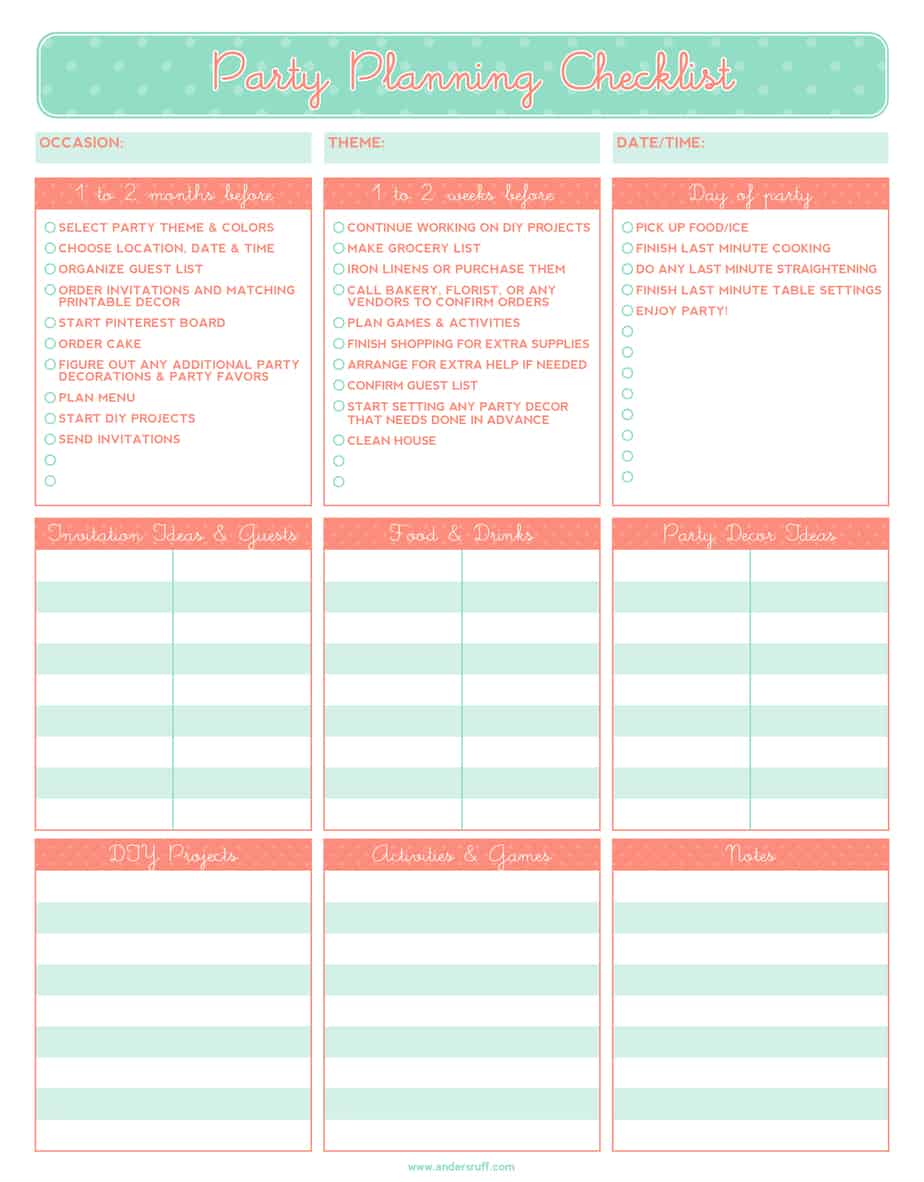
Record the practical conditions in the party planning checklist. If a venue has rules about decorations, sound, arrival times, or clearing the space, confirm those directly with the venue and share them with helpers. For an outdoor event, identify a workable weather alternative and who will decide when to use it.
Plan food and drinks around the event
Choose a menu that fits the time of day, guest count, serving method, and available preparation space. Consider how food will arrive, where it will be placed, and who is responsible for serving and replenishing it. A menu list is incomplete without a delivery or preparation plan.
Ask guests about dietary requirements when relevant and communicate the information accurately to whoever prepares the food. Check current food-handling requirements with the responsible supplier or host rather than relying on a decorative planning sheet. Keep labels, utensils, and serving arrangements in the supply list so they are not last-minute purchases.
Separate shopping, hiring, and borrowing
Create a party supply list and mark whether each item will be bought, hired, borrowed, or provided by the venue. Include quantities, the person responsible, and the date the item is needed. This avoids buying something that another helper has already arranged.
A vendor list can help organize supplier contacts and agreed services for a larger celebration. Keep confirmation details beside the relevant order. If equipment is borrowed, record who owns it and when it should be returned. The cleanup plan should include returning items as well as removing rubbish.
Make a backward planning timeline
Start with the event date and work backward through tasks that require lead time. Invitations, bookings, custom items, and supplier confirmations usually need attention before room decoration and final shopping. Assign a deadline to each task based on the actual dependencies.
Use a project timeline template if several people need a shared view of preparation. Keep the planning sequence realistic: a seating plan depends on responses, and a final catering quantity depends on a reasonably settled guest count. Review the timeline periodically so a missed early deadline does not surprise everyone the day before the party.
Give helpers clear responsibilities
A task should have one named owner, even when several people assist. Instead of “family handles decorations,” write who will collect the materials, who will put them up, and who will remove them. Include contact information where it helps coordination.
Ask helpers to confirm that they can complete the assigned work before the event. Give them the information they need, such as access time, location, spending limits, and delivery instructions. Too many vague assignments leave the host answering the same questions while guests are arriving. A small, clear list is easier to manage.
Create a flexible event-day schedule
List the main moments: venue access, deliveries, setup, guest arrival, food, activities, speeches or presentations, closing, and cleanup. Allow transition time between them. A tightly packed schedule can fail when an activity runs longer than expected or a delivery arrives late.
For a structured celebration, event program templates can help create a guest-facing outline. Keep operational notes separate from what guests need to see. The host’s working plan may include supplier arrival times and equipment checks, while the public program needs only the main sequence and useful directions.
Work through a small birthday-party example
Imagine an afternoon birthday gathering for twenty guests at home. The host sets a modest spending limit, chooses a simple menu, and asks two helpers to manage setup and serving. The guest list shows sixteen confirmed attendees and four awaiting replies.
The planning sheet identifies a borrowed table, purchased decorations, and a cake collection deadline. The host notices that the same helper is assigned to collect the cake and welcome guests at nearly the same time. Moving one task to another person resolves the conflict before event day. This is the value of a plan that shows responsibilities alongside times.
Prepare for changes without overcomplicating
Write down a few likely disruptions and the response to each. These might include a late supplier, fewer guests than expected, a weather change, or an activity taking longer than planned. Identify the decisions the host can make quickly and the ones that require contacting someone.
Keep an essential contact list accessible to the people organizing the event. A complicated risk document is rarely necessary for a small party, but a clear backup for the most important elements is useful. Prioritize guest comfort, reliable communication, and a manageable schedule over preserving every original detail.
Organize cleanup and follow-up
Assign cleanup tasks before the event begins. Record venue departure time, equipment returns, leftover supplies, and any final supplier payments. Helpers are more likely to stay available when they know what is expected and approximately when the work will finish.
After the party, compare the plan with what happened. Note useful quantities, supplier performance, and tasks that took more time than expected. Keep only the information you will need for future events, and remove personal guest details when they are no longer useful. A short review turns one planning effort into a better starting point next time.
Choose a practical template
Look for a layout with space for the categories you actually need. A checklist is useful for preparation tasks, while a planner with dates and costs may suit a more complex celebration. Preview labels and resource formats vary, so inspect the linked file or page before assuming it is an editable document.
Save a clean copy, replace sample details, and test the plan with a few real tasks. Keep one agreed working version so helpers do not use outdated instructions. Print a compact event-day copy if phones or internet access may be inconvenient during setup.
Get Party Planning Templates Here
Party Planner Free Template
Party Planning Guide


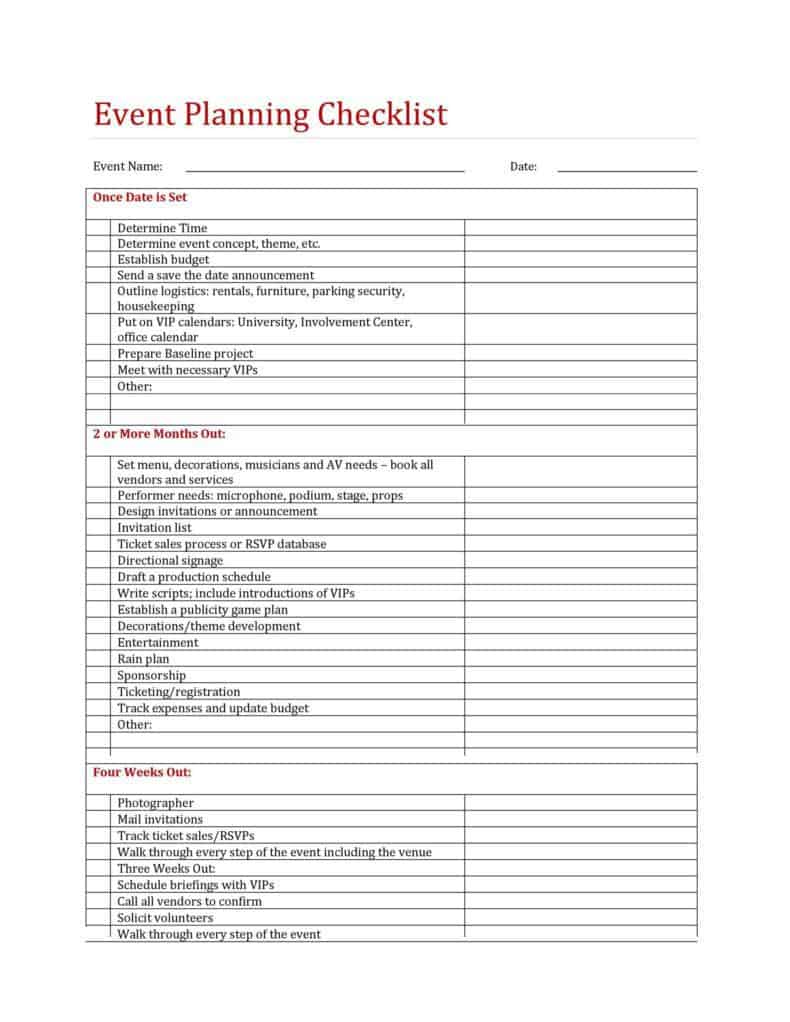
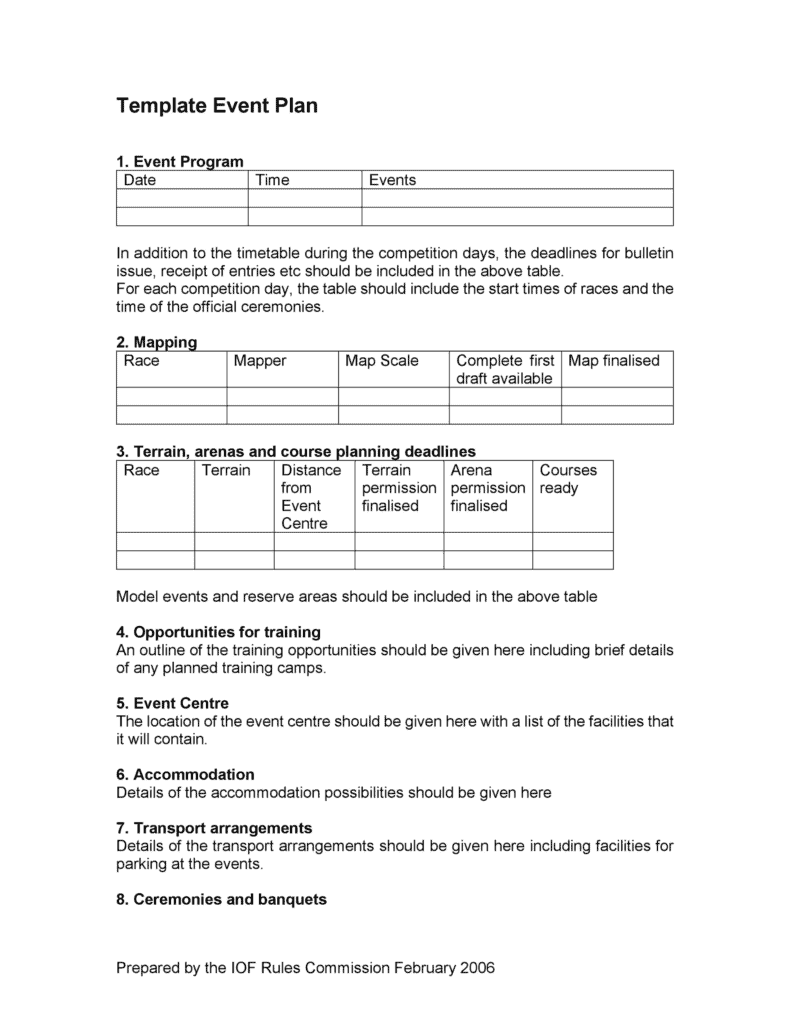
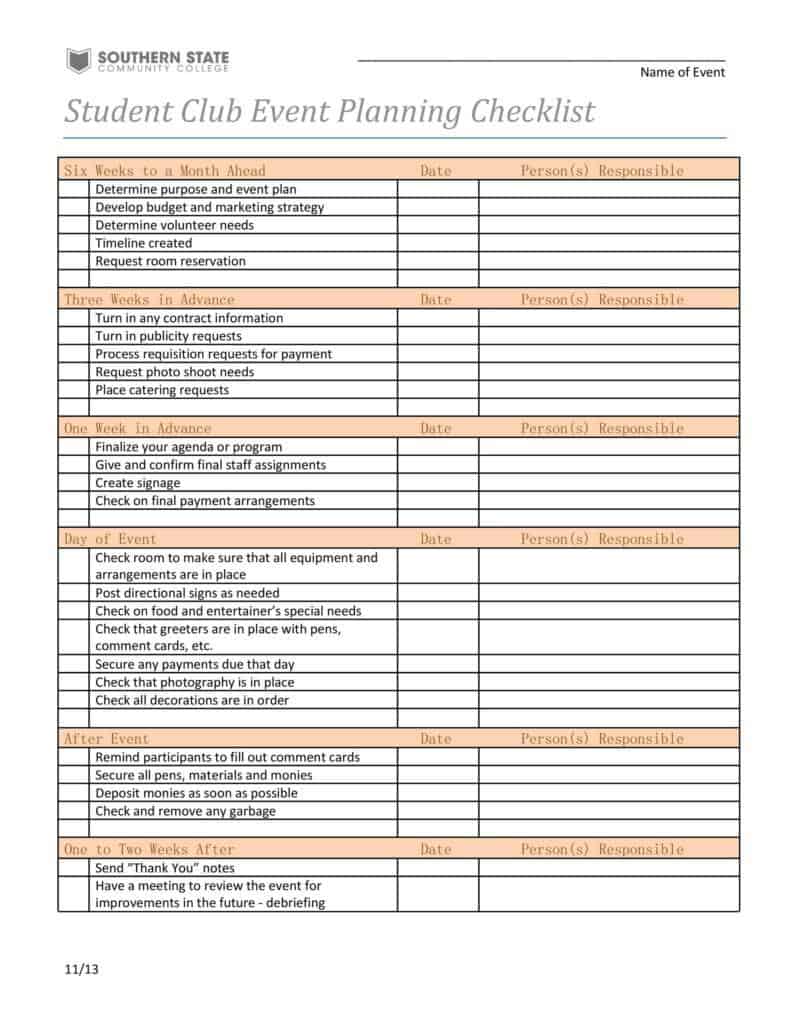
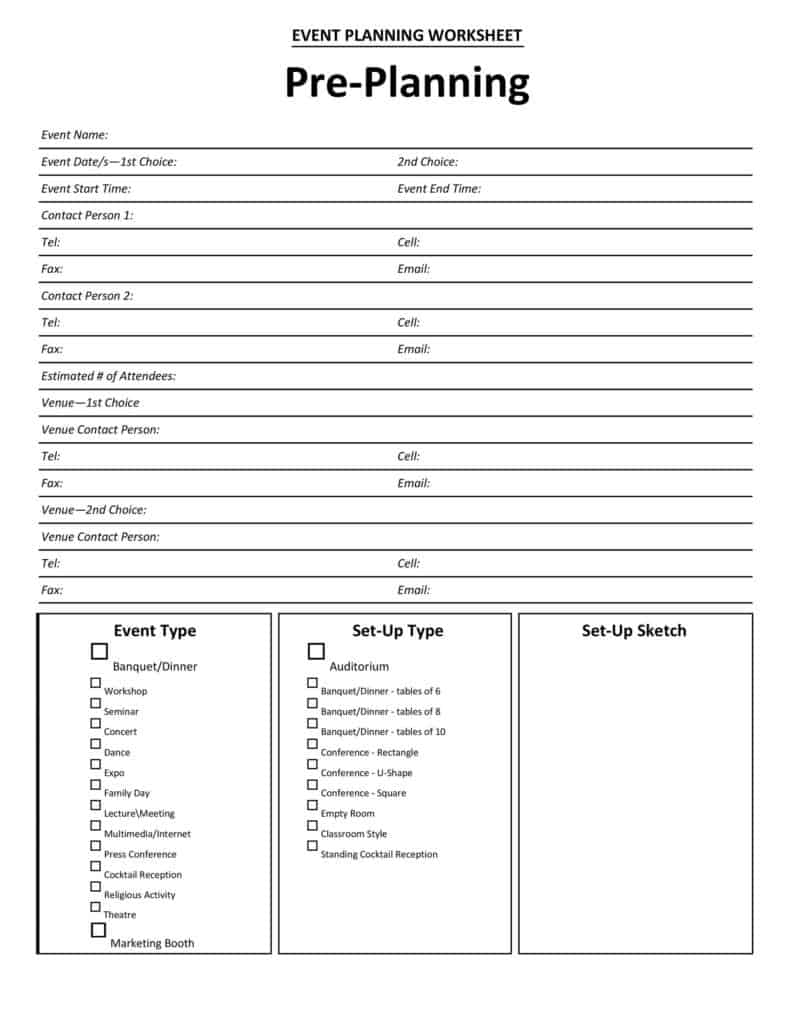
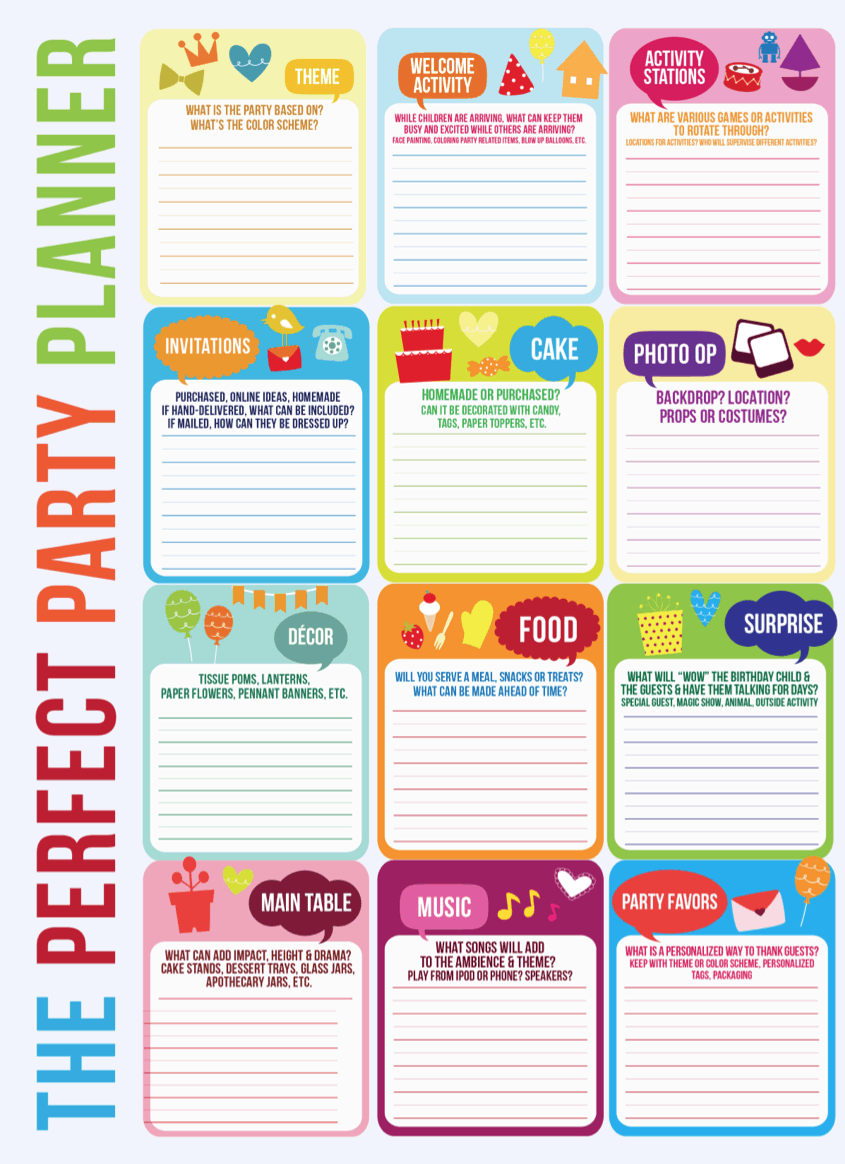
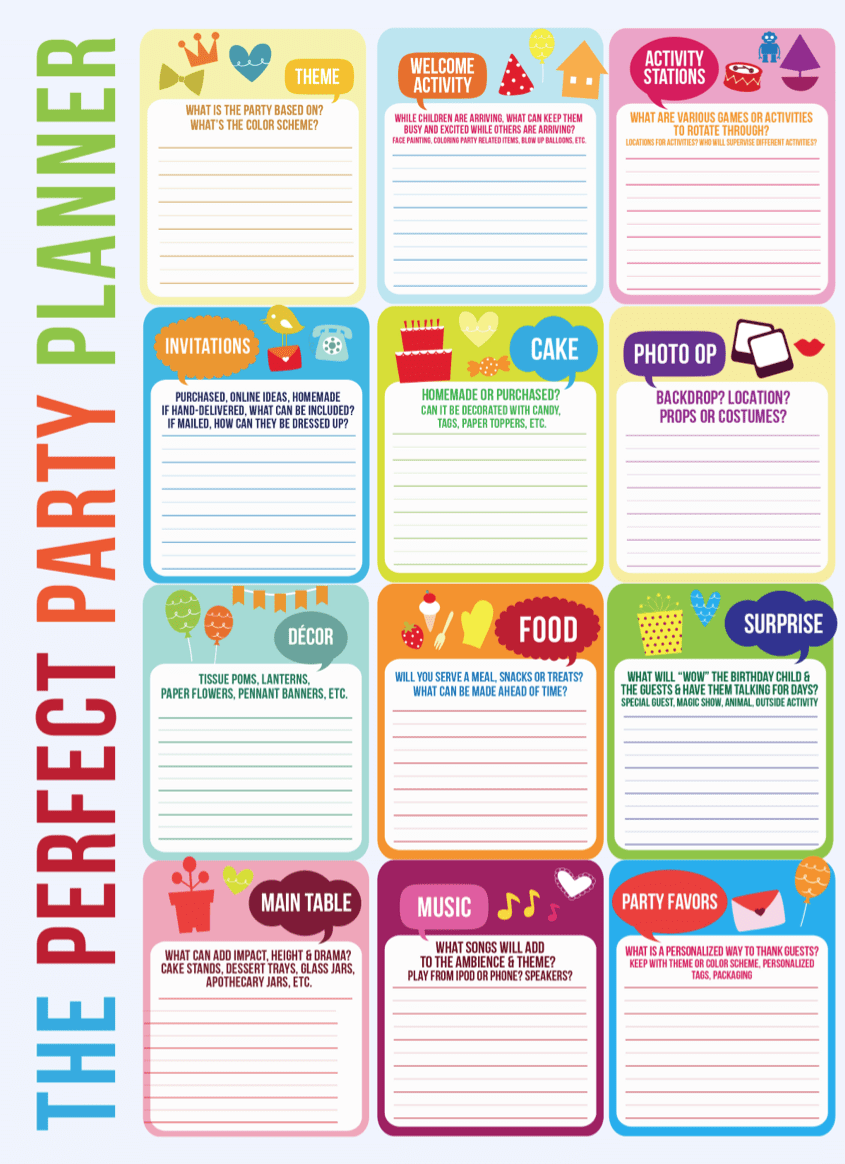
Perfect Party Planning Sample Template
Party Planning Checklist Free
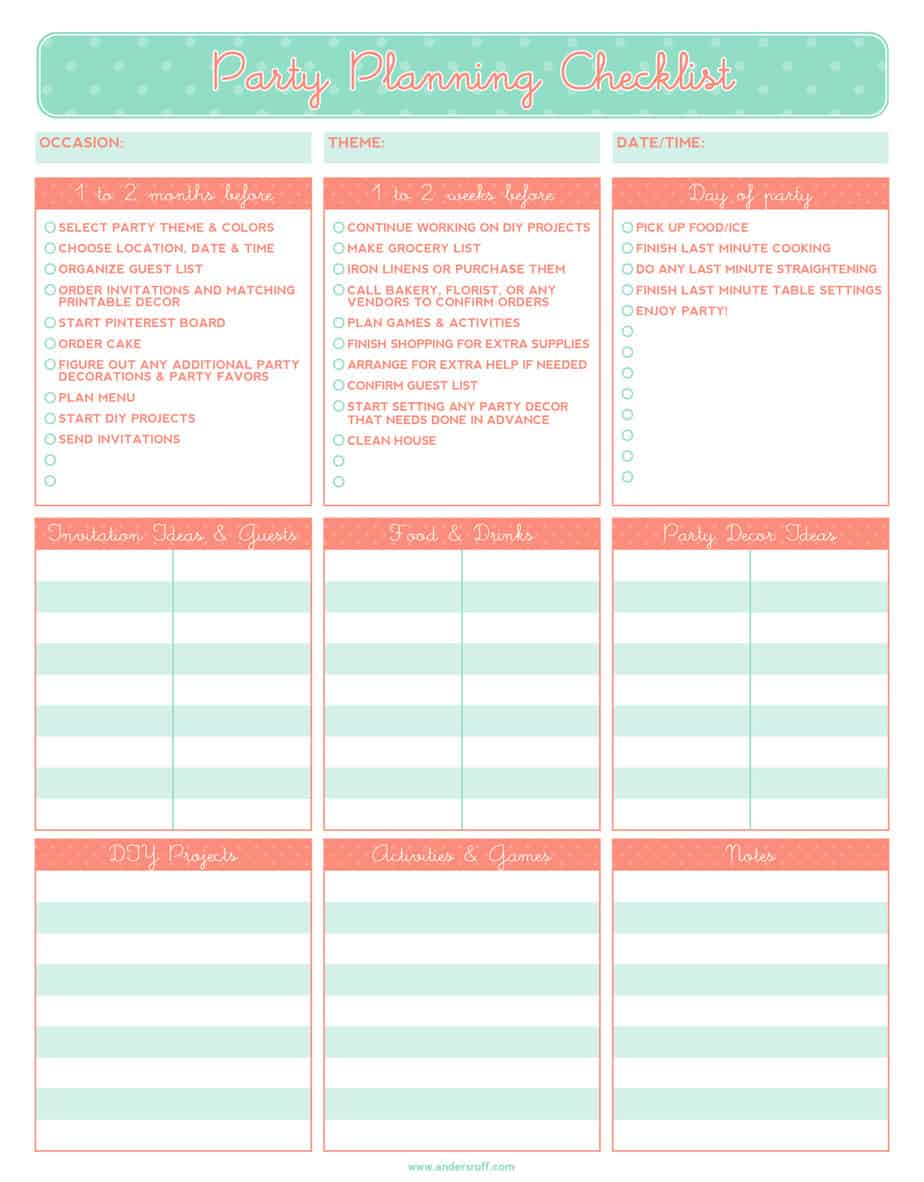
Printable Party Planning Checklist
Frequently Asked Questions
What should a party planning template include?
Include the event details, guest list, budget, tasks, deadlines, supplies, supplier contacts, event-day sequence, and cleanup responsibilities. Add only the fields useful for your particular gathering.
How early should I start planning?
Begin early enough to secure the venue, services, and items your event requires. The necessary lead time varies with size, availability, custom orders, and the amount of help you have.
Can one template work for different parties?
Yes. Change the categories and level of detail to suit the occasion. A small meal may need a short checklist, while a larger celebration needs separate budget and timeline views.
How can I avoid duplicate purchases?
Assign an owner to each supply and record whether it will be bought, hired, borrowed, or provided. Ask helpers to update the shared list when arrangements are confirmed.
Should the guest program include setup details?
Usually the guest program needs only the main activities and helpful directions. Keep supplier arrivals, equipment checks, and cleanup assignments in the organizer’s working plan.
What should I review after the event?
Review spending, quantities, supplier reliability, task timing, and responsibilities. Record useful lessons while they are fresh so the next event is easier to prepare.

You must be logged in to post a comment.